Constitution Amendment Bill passes second reading — what happens now?
Saturday 03 October 2026 | 09:30

Constitution Amendment Bill passage explained: What can the public have a say on, can the Bill still change, and what happens at the referendum?
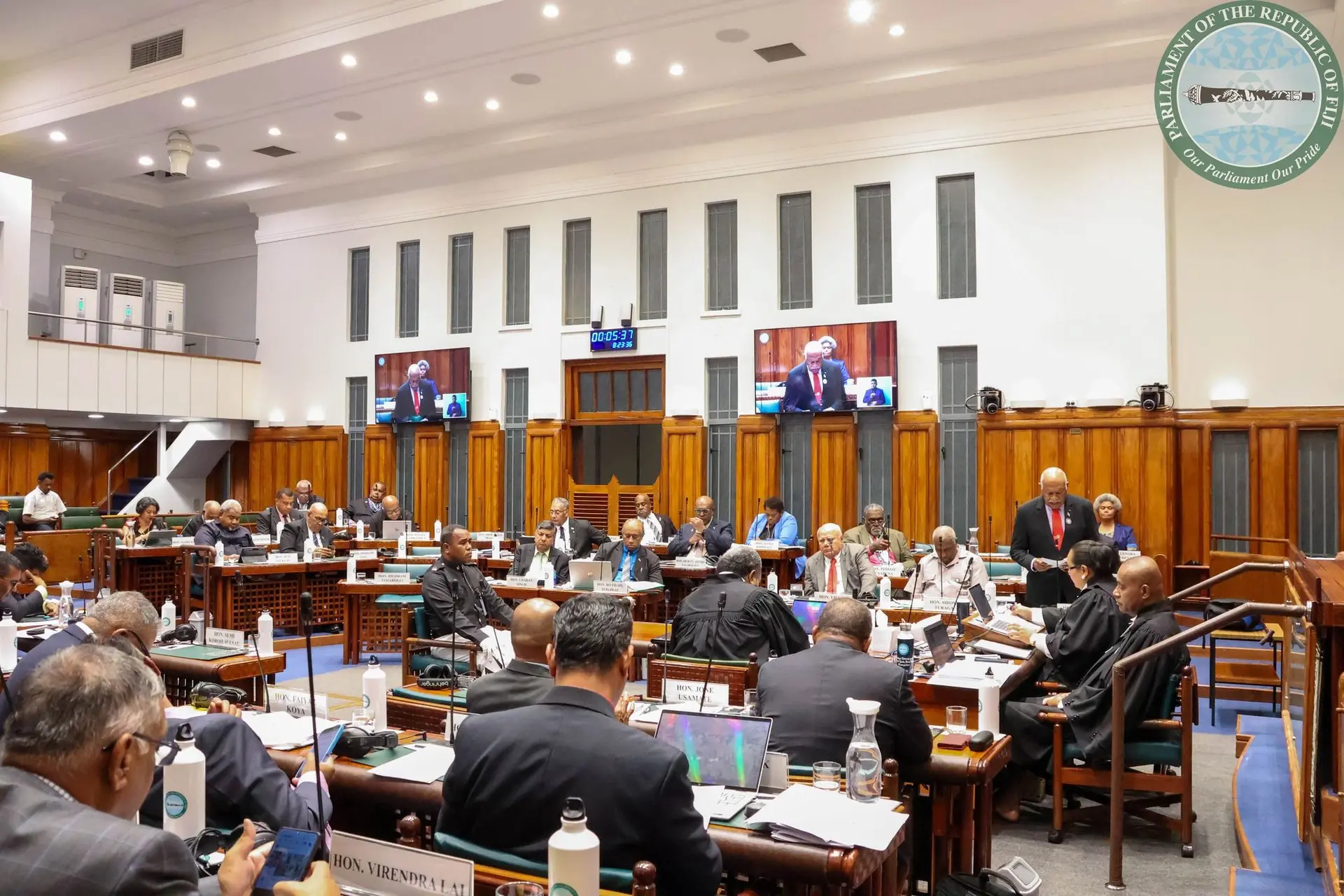
Parliament has passed the Constitution Amendment Bill 2026 at its second reading last night, with 38 MPs voting in favour, five against, nine abstaining and one not voting.
But what does the vote mean, what happens during the next 30 days, and when could Fijians vote in a referendum?
Related stories
What did Parliament vote for during the second reading?
The second-reading vote allows the Constitution Amendment Bill 2026 to advance to the next stage of the parliamentary process.
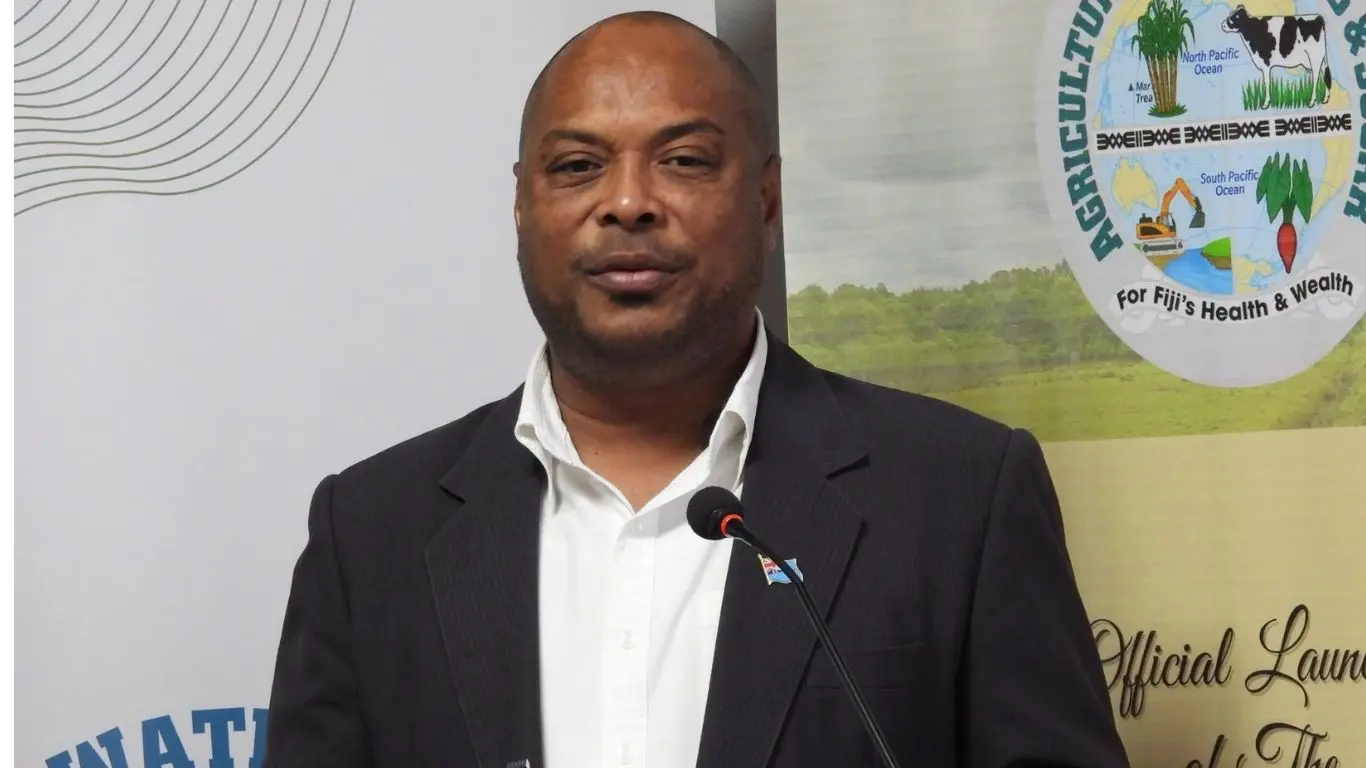
National Federation Party leader Professor Biman Prasad stressed during the second reading debate that voting for the Bill at this stage did not necessarily mean supporting every provision it contained.
“This vote today is about referring this Bill to the Joint Parliamentary Committee. And so the vote for this Bill to go to the Parliamentary Committee does not mean that we agree with everything that is in the draft, the concerns, etc.”
What happens now?
The Bill will go before a Joint Parliamentary Select Committee, which will scrutinise it and conduct consultations with the people of Fiji over the next 30 days.
The committee is expected to report back to Parliament on November 2.
Who is on the committee?
The committee will be led by Prime Minister Sitiveni Rabuka.
It includes Deputy Prime Minister Viliame Gavoka, Professor Prasad, Acting Attorney-General Siromi Turaga, Minister for Lands Filimoni Vosarogo, Minister for Information Lynda Tabuya, Minister for Rural and Maritime Development Mosese Bulitavu and Leader of the Opposition Inia Seruiratu.
Three additional Opposition members nominated by Mr Seruiratu will also be members.
Can the public have a say?
Yes. The committee will conduct consultations with the people of Fiji during the 30-day period.
Professor Prasad encouraged people to participate and raise concerns about provisions they believe should be changed.
“You are entitled to ask questions, disagree with the proposal, and tell your representatives what you believe should change.”
Can the Bill still be changed?
The committee stage is intended to provide an opportunity for scrutiny, consultation and consideration of changes.
Professor Prasad said:
“That committee must provide the opportunity for extensive consultation, negotiation and careful examination of the draft.”
He also said the NFP was participating with the expectation that concerns raised through the process could result in improvements.
“We do so with the expectation that if there are concerns, the draft will be improved through the contributions of members and the public.”
What happens after November 2?
After the committee reports back to Parliament, the Bill will proceed to its third reading.
This will require another parliamentary vote.
How many votes will it need?
According to the process outlined during the debate, the Bill will require the necessary two-thirds, or 66 per cent, support at the third reading before it can proceed to a referendum.
Does Parliament have the final say?
No.
If the required support is secured at the third reading, the process would move to a national referendum conducted by the Fijian Elections Office.
The Constitution would only be amended if it then receives the required support from voters participating in that referendum.
What will voters be asked?
Fijians will be asked one question.
Acting Attorney-General Siromi Turaga explained this after Parliament unanimously passed the National Referendum Bill.
“It will be one question. The whole idea of referendum is supposed to be simple,” Mr Turaga said.
He said voters would be asked whether they support the Constitution put forward through the amendment process.
What support is needed at the referendum?
Professor Prasad told Parliament that the referendum would require 50 per cent plus one support.
He said:
“The committee which the Honourable Prime Minister will move to be set up, which will consider the draft Bill and report back to Parliament, after which, if it is approved and supported by a two-thirds majority, then it goes to a referendum, which requires 50 plus one per cent support.”
So has the Constitution changed?
No.
The second-reading vote advances the Constitution Amendment Bill 2026 to the next stage. The process outlined in Parliament still involves public consultation, the committee reporting back, a third-reading vote and, if the required parliamentary support is secured, a referendum.