Digital creator feels review need input of rural, maritime dwellers
Arisi Tabuasei wants a six-month to one-year extension so remote communities have more time to make submissions.
Friday 23 October 2026 | 11:30

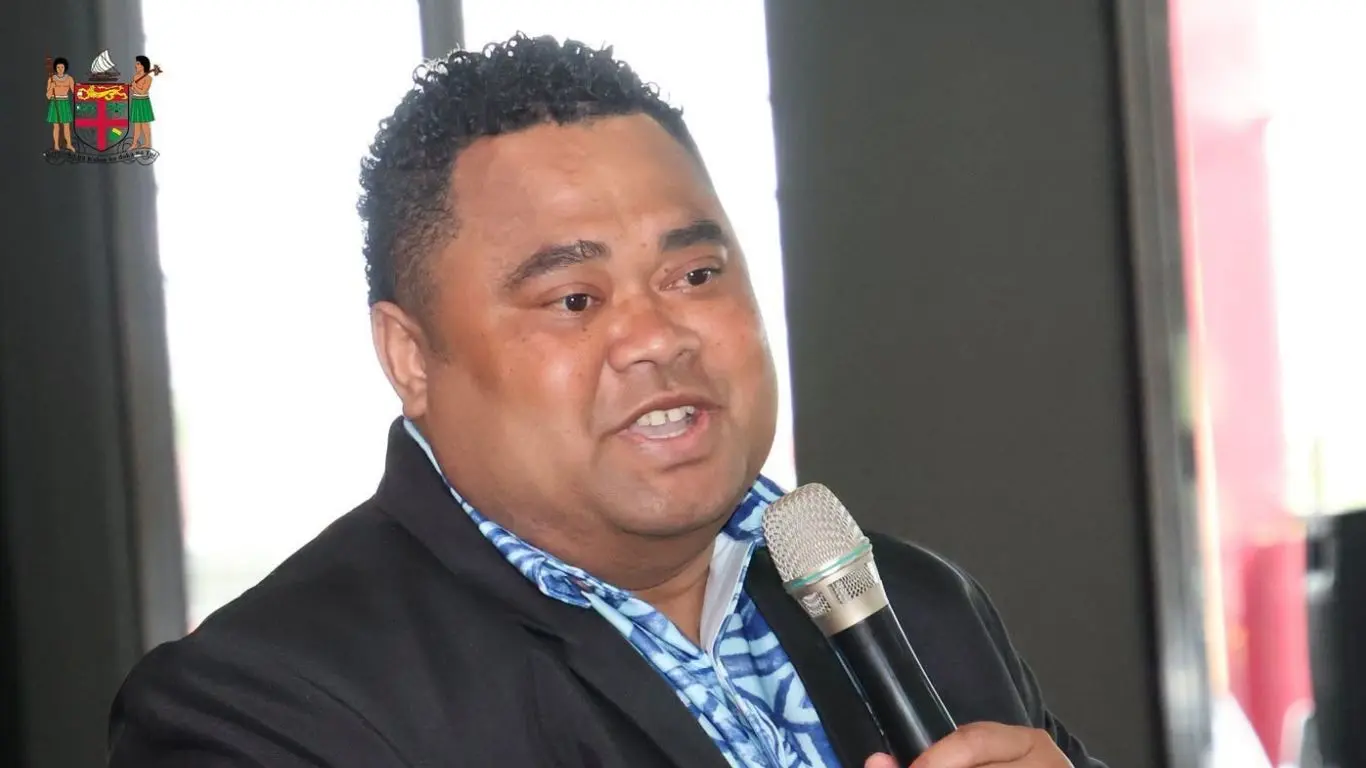
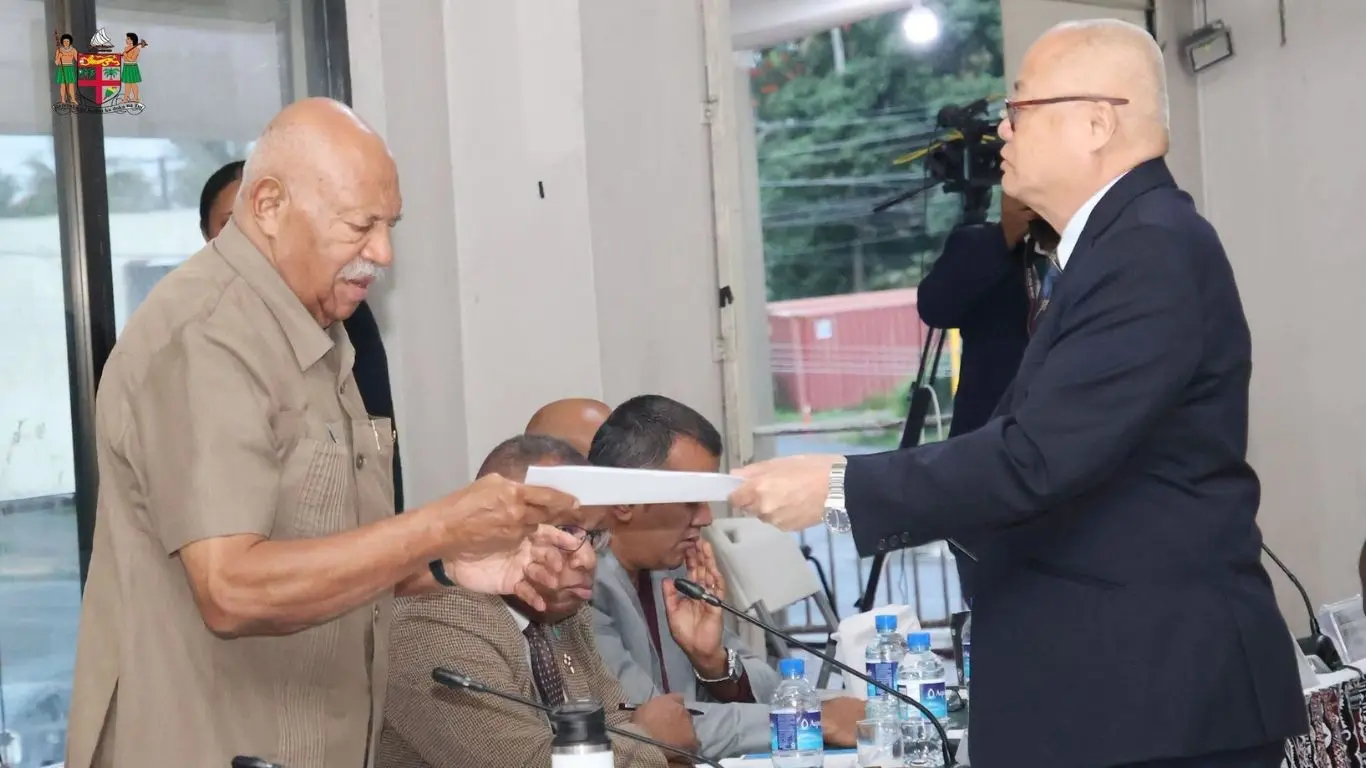
Digital content creator Arisi Tabuasei making his submission to the special committee reviewing the proposed constitutional amendments in Suva on October 22, 2026.
Photo: DEPTFO News
A Suva digital creator says ordinary Fijians could be left out of decisions shaping the country’s future if the constitutional review proceeds without giving rural and maritime communities enough time to have their say.
Arisi Tabuasei has called on the Standing Committee reviewing the proposed constitutional amendments to extend its timeframe by six months to a year, arguing that people in remote communities and informal settlements deserve a genuine opportunity to be heard.
He told the committee the review risked repeating the experience of the 2013 Constitution, which he said many people felt had been imposed on them.
Related stories
“Most of these people, as we all know, the 2013 Constitution was forced upon them, and I feel the same thing is happening on these amendments,” he said.
Mr Tabuasei said people in rural areas did not have the same opportunities as those who could attend committee hearings and present their views in person.
He said it was unfair for people to eventually vote on constitutional changes without first having a meaningful opportunity to raise their concerns.
Mr Tabuasei also raised concerns about the proposed treatment of immunity under Clause 206, arguing that public officials should not be protected from accountability at the expense of ordinary citizens seeking justice.
He questioned whether the provision, which covers senior public officeholders and other specified officials, could prevent victims from obtaining justice, compensation or other legal remedies.
“Everyone should be equal before the law, regardless of their position or authority,” he said.
He recommended removing or revising the provision to ensure immunity did not prevent victims from seeking justice.
Mr Tabuasei also called for changes to Section 47(1) to recognise the rights of customary and freehold landowners to own and benefit from minerals beneath their land.
He argued that landowners should have a direct stake in the resources found on their properties, saying this could create opportunities for employment, businesses and income for families and communities.
While acknowledging the Government’s responsibility to regulate mining and protect the environment, he said regulation did not necessarily mean the State had to own all mineral resources.
He urged the committee to consider the concerns of ordinary citizens before finalising changes to the country’s supreme law.