Dry conditions threaten firefighting water supplies
Without major water storage tanks at its fire stations, the NFA relies on fire trucks to store water during emergencies.
Saturday 07 November 2026 | 10:00

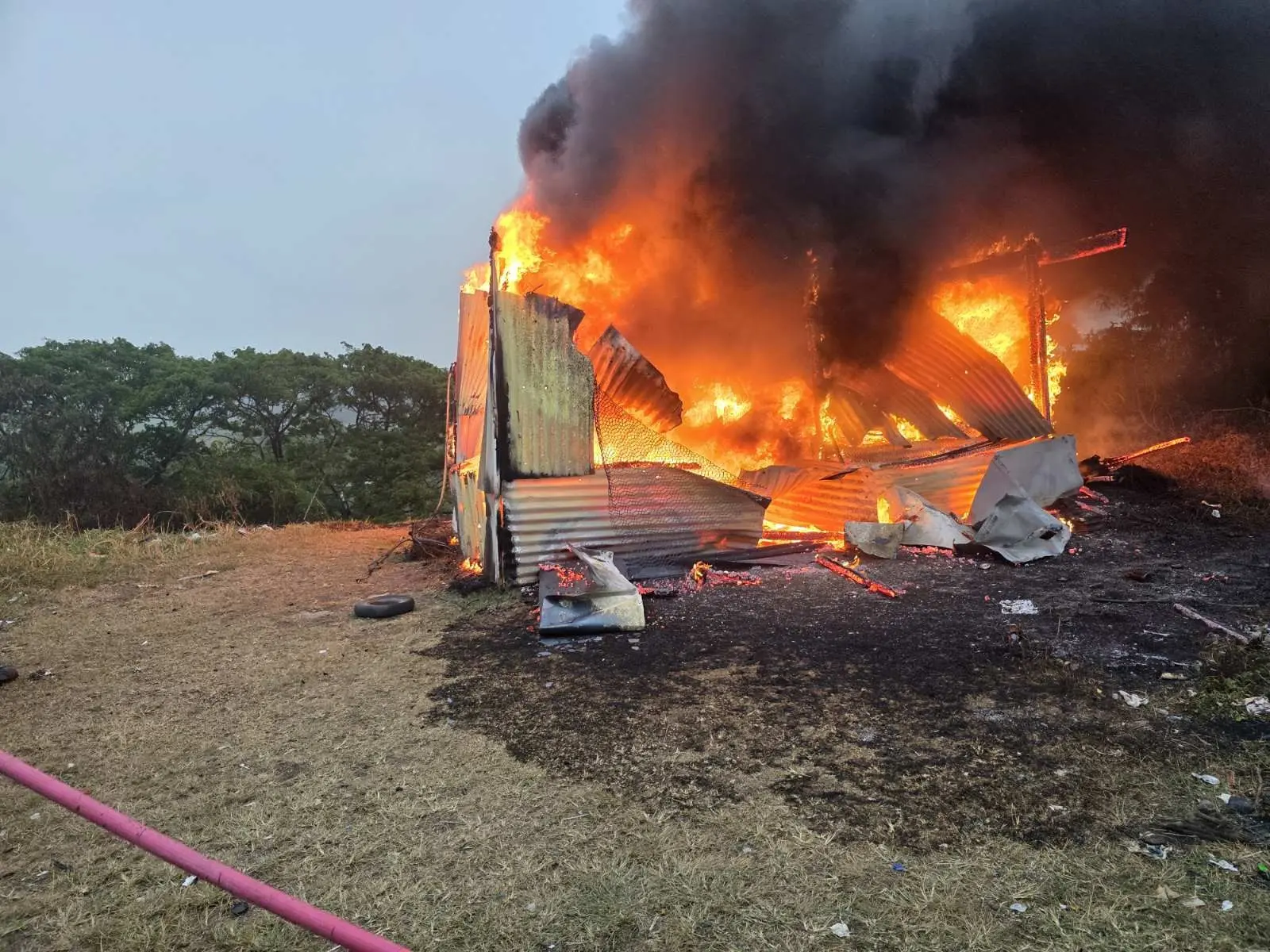
Prolonged El Niño-related dry conditions could undermine firefighting operations as water sources across Fiji face depletion, warns the National Fire Authority (NFA).
NFA chief executive officer Puamau Tagivetaua Sowane said extended dry spells and higher temperatures were putting increasing pressure on water availability, particularly as uncontrolled fires continued to threaten communities.
He said firefighting operations relied heavily on potable water. Once the water carried by fire trucks was exhausted, firefighters depended on fire hydrants and other available water sources.
Related stories
The NFA does not have major water storage tanks at its fire stations, with fire trucks serving as the primary water storage during emergencies.
Mr Sowane said a standard residential fire could require between 2,000 and 3,000 litres of water to extinguish, while larger residential buildings could require up to 4,000 litres.
Commercial and industrial fires could consume between 5,000 and 15,000 litres.
The authority used approximately 1.476 million litres of water to respond to structural fires in 2024, 1.449 million litres in 2025 and 1.088 million litres between January and September this year.
Mr Sowane warned that depleted water sources and reduced water pressure could severely affect firefighting capabilities, particularly if multiple bush fires occurred at the same time.
He urged households to conserve water responsibly, avoid unnecessary burning and ensure suitable water supplies were available for essential household and emergency needs.
Communities must also prioritise fire prevention, as drought conditions increase the likelihood of fires spreading rapidly.