Dry spell forces Seaqaqa vendors to change what they sell
Vindar Wati, 61, said cabbage she harvested and bundled in the morning could wilt by midday, forcing her to lower the price.
Sunday 15 November 2026 | 10:00

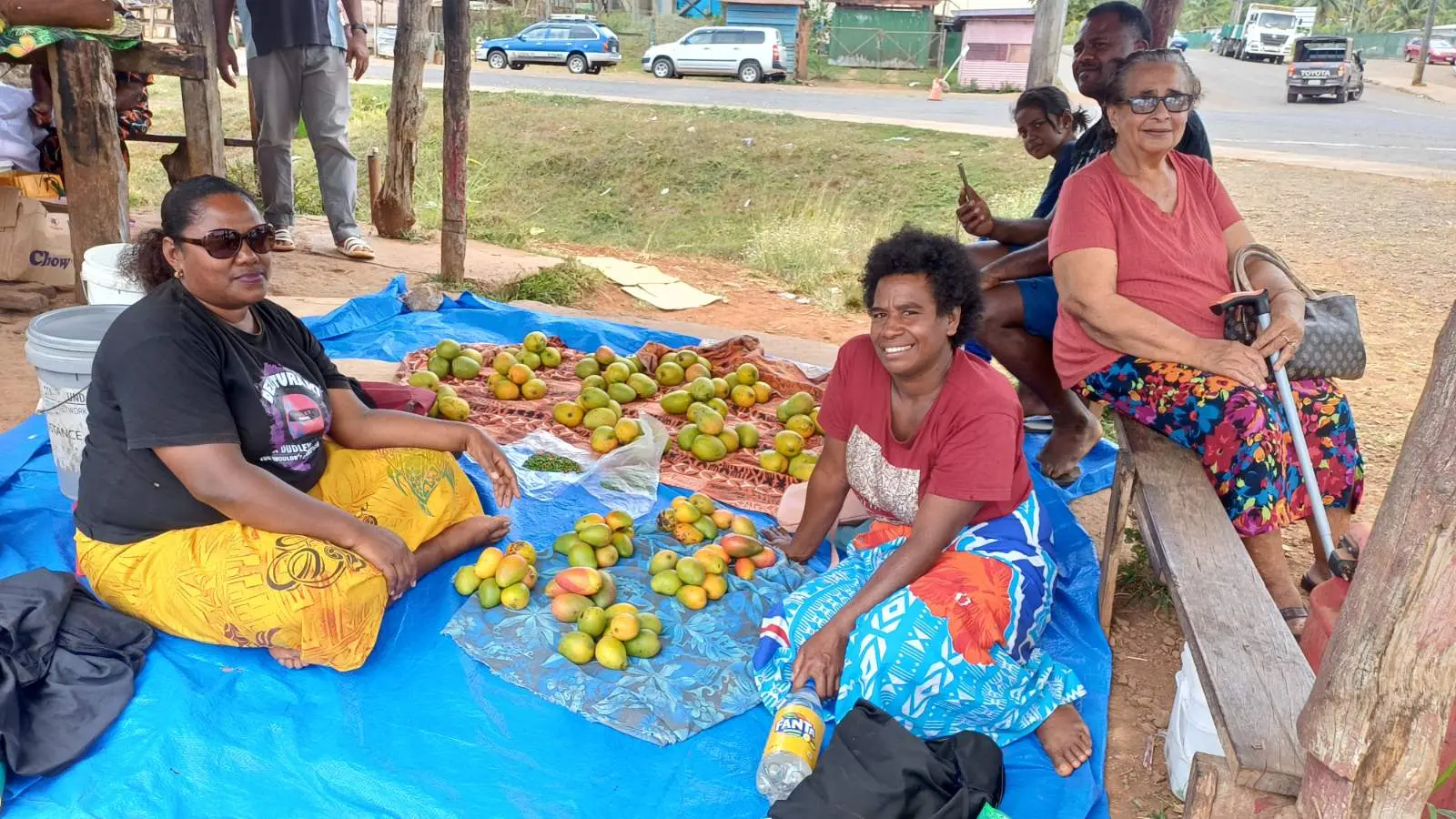
Kalara Vitiana and Iliseva Mosimalua (left) sell mangoes at Seaqaqa Market in Macuata on November 13, 2026.
Photo: Shratika Naidu.
As water sources dry up in Seaqaqa, market vendors are watching vegetables wilt, cutting prices and turning to other ways to earn money — including selling mangoes and homemade sweets to help pay for bottled water.
Vindar Wati, 61, said cabbage she harvested and bundled in the morning could wilt by midday, forcing her to lower the price.
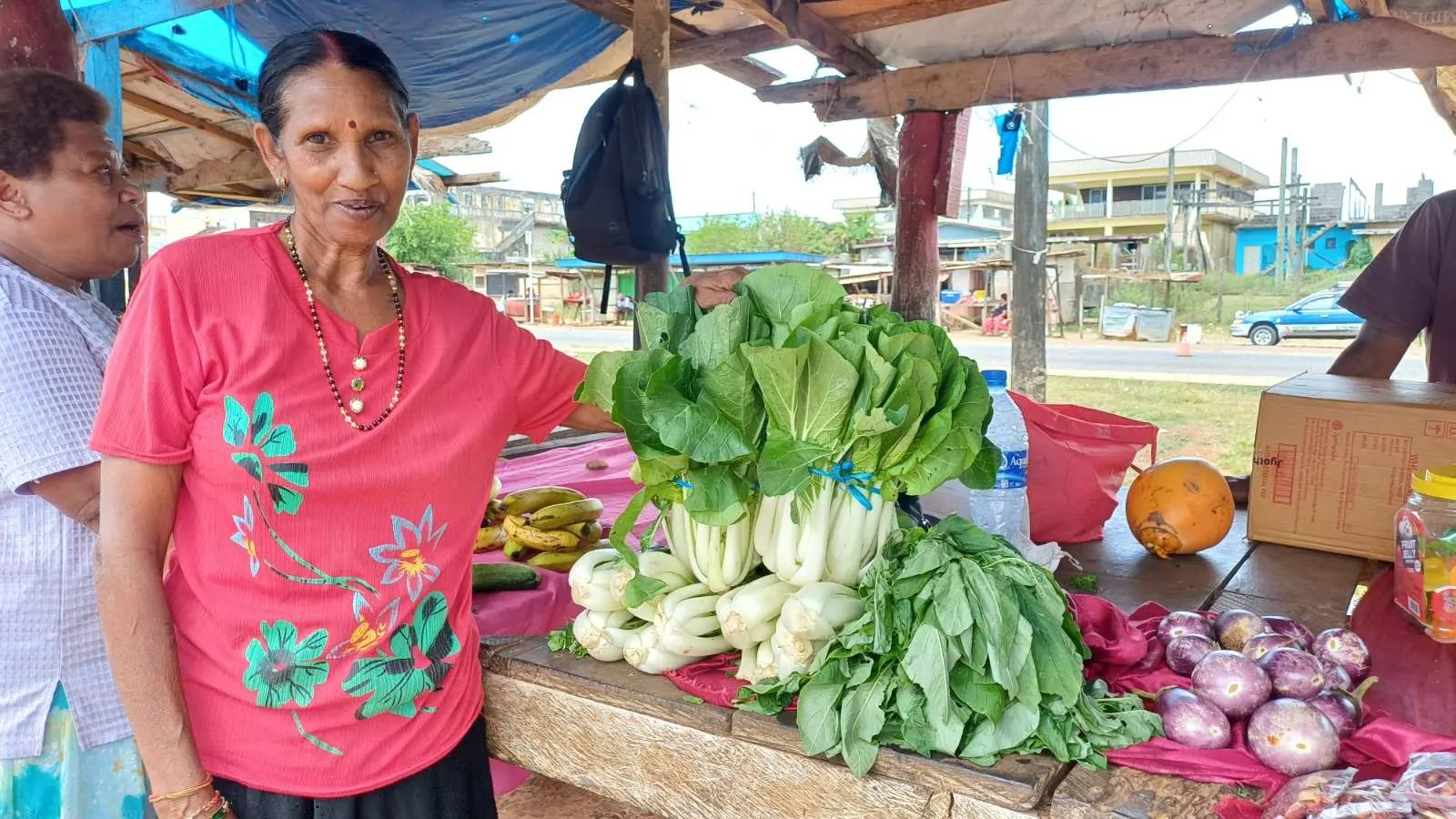
Vindar Wati displays cabbage harvested from her farm and sold at Seaqaqa Market in Macuata on November 13, 2026.
Photo: Shratika Naidu.
Related stories
“By midday, the leaves wither and customers do not want to buy them,” Ms Wati said.
“The price of one bundle of cabbage is $6, but because of its deteriorating look, I have to decrease the price to $4.”
Her household’s mountain water source has also dried up.
“When we come to the market, we fill bottles of drinking water and take them on the bus,” she said.
“I have been a market vendor for five years, and this is the first time for me to hear and learn what El Nino can do to farms.”
Satish Chand, 56, of Salove, Seaqaqa, has stopped selling vegetables because he does not have enough water to irrigate his farm.
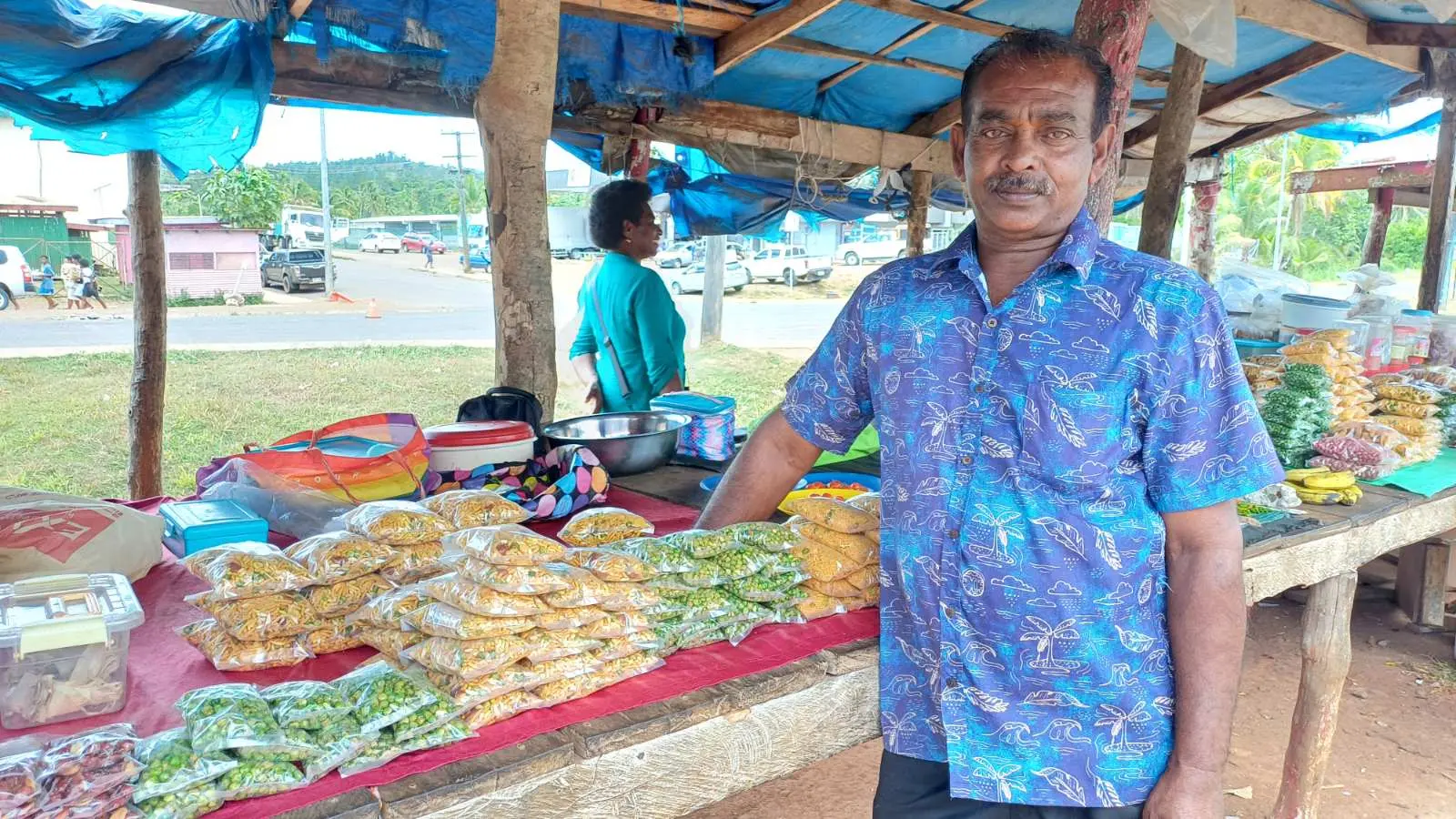
Satish Chand sells homemade Indian sweets at Seaqaqa Market in Macuata on November 13, 2026.
Photo: Shratika Naidu.
“I used to be a sugarcane farmer and then turned the land into a vegetable farm because we couldn’t see any income coming in,” Mr Chand said.
“Now, due to water disruptions, we can only fill water when there is supply from the Water Authority of Fiji at night. So, we must sacrifice what we love the most, which is farming.”
His wife now makes Indian sweets, which Mr Chand sells for $2 a packet from Monday to Saturday. He said the income helped them buy groceries.
For Kalara Vitiana and Iliseva Mosimalua of Nakalou Village, selling mangoes has become a way to earn money for their children’s drinking water.
“We don’t have enough water at home, and so as mothers, we thought to sell heaps of mangoes for $2 to $5 and save money to buy bottled water for our children,” Ms Vitiana said.
“I am worried about my children as they are attending school, and if they get sick, I will have to spend a lot of money to take them to the Seaqaqa Health Centre or Labasa Hospital.”
Ms Vitiana said she preferred buying bottled water to using the dirty water that arrived at night after 10pm.
Ms Mosimalua is also preparing emergency food and water supplies for her family as Fiji enters the cyclone season.
“When the weather is like this—usually very hot, dry, and months without rain—a cyclone is likely to take place, and so I always prepare myself in advance,” Ms Mosimalua said.
“Apart from storing water, people should stock up on food because no one knows until when El Niño will finish.”
Fiji’s 2026–2027 tropical cyclone season began on November 1 and runs until April 30, 2027. The Fiji Meteorological Service has urged the public to prepare early, stay alert and follow official weather updates. Tropical cyclones can bring destructive winds, heavy rain, flooding and dangerous sea conditions.