El Niño cuts fish production by up to 65 per cent in Ra
The assessment found that prolonged dry weather was placing increasing pressure on fish and prawn farmers as water sources declined and pond conditions deteriorated.
Monday 23 November 2026 | 09:00

The Ministry of Fisheries' Western Division Aquaculture Team identified the impacts during an assessment conducted this week across Nadi District and the provinces of Ba, Ra and Nadroga.
Ministry of Fisheries
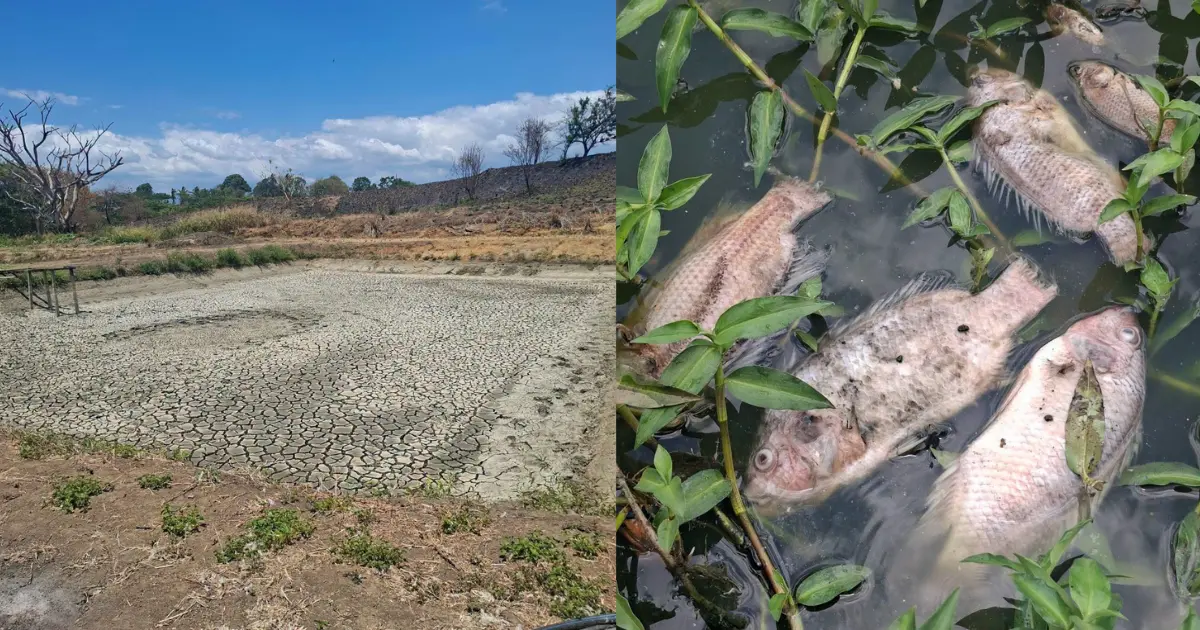
El Niño-driven dry conditions are taking a toll on aquaculture farmers in Western Fiji, with production falling by 50 to 65 per cent on affected farms in Ra, nine fish ponds drying up in Nadroga and fish losses reported in Nadi.
The Ministry of Fisheries' Western Division Aquaculture Team identified the impacts during an assessment conducted this week across Nadi District and the provinces of Ba, Ra and Nadroga.
The assessment found that prolonged dry weather was placing increasing pressure on fish and prawn farmers as water sources declined and pond conditions deteriorated.
Related stories
Production losses in Ra
In Ra, fisheries officers assessed 30 farms, representing 68 per cent of the province's aquaculture farms.
The team found that streams, creeks and groundwater levels were declining at 45 per cent of the farms assessed.
Production had fallen by between 50 and 65 per cent on affected farms.
The assessment also identified risks associated with fluctuating water temperatures, algae blooms and murky water.
Ponds dry up in Nadroga
In Nadroga, nine fish ponds had dried up after their water sources ran dry.
Farmers in Nadi were also struggling with declining water levels, while pond temperatures had reached 29 degrees Celsius.
Several farmers had completely lost their water sources.
At one aquaculture farm in Tunalia, about 100 fish were lost.
Some farmers had begun harvesting their fish earlier than planned to conserve water, while others had switched to borehole water to maintain their ponds.
Farmers need urgent support
The Ministry identified fish feed, water pumps and water storage tanks among the immediate needs of affected farmers.
It advised farmers to adjust feeding practices as water levels and temperatures changed and to monitor their fish closely for signs of stress.
Farmers whose ponds had been stocked for more than three months were also advised to consider emergency harvesting.
The Ministry said it would continue monitoring affected farms and working with farmers on support and adaptation measures as dry conditions persisted.
Affected farmers were encouraged to contact their nearest Fisheries office.