Fiji prepares for ageing population with new national policy
She said Fiji’s people were living longer, which was an achievement, but the country must ensure its health, social protection and community systems were prepared to meet the changing needs of an ageing population.
Saturday 03 October 2026 | 14:00
Fiji is preparing for an ageing population with a new National Ageing Policy 2026–2035, designed to strengthen support for older persons and ensure longer lives are healthier, safer and more dignified.
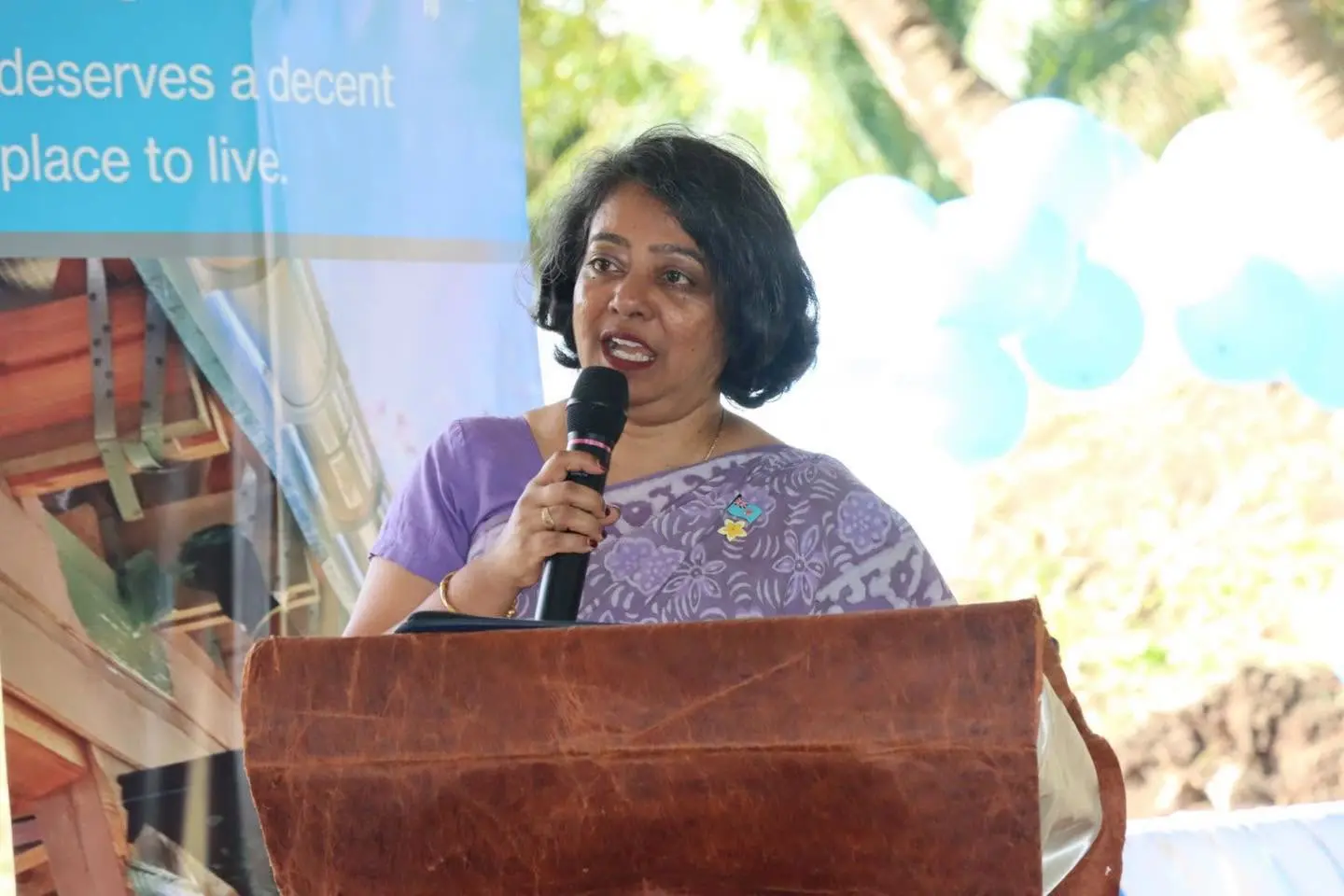
Minister for Women, Children and Social Protection Sashi Kiran said the policy was developed after consultations with 2,568 people across 13 provinces and 37 districts, including older persons, families, communities, civil society organisations, service providers and Government agencies.
“The age of longevity is already here. Our responsibility is to ensure that longer lives are not only longer, but healthier, safer, more dignified, more connected and more purposeful,” Ms Kiran said.
Related stories
The policy, developed by the Ministry and the National Council for Older Persons, is expected to be presented to Cabinet for consideration in October, with an Implementation Plan already developed to turn its commitments into practical action.
Ms Kiran made the statement as Fiji joins the global community in marking International Day of Older Persons, under the theme “The Age of Longevity: Rethinking Systems for Longer Lives.”
She said Fiji’s people were living longer, which was an achievement, but the country must ensure its health, social protection and community systems were prepared to meet the changing needs of an ageing population.
“Our people are living longer, and this is an achievement that we should celebrate. But longer lives also require us to ask whether our systems, services and communities are ready to support people to live those additional years with dignity, health, security, participation and purpose,” she said.
Ms Kiran said older persons were not simply recipients of care but continued to contribute as parents, grandparents, workers, caregivers, entrepreneurs, volunteers, mentors, community and faith leaders, and custodians of Fiji’s culture, traditions and history.
“Our older persons are not simply recipients of care and assistance. They are parents and grandparents, workers, entrepreneurs, caregivers, community and faith leaders, volunteers, mentors and custodians of our knowledge, culture, traditions and history,” she said.
Communities and public spaces also needed to become more age-friendly and accessible, while stronger measures were needed to protect older persons from discrimination, abuse, neglect and exploitation.
Fiji is also participating in the Fifth Review and Appraisal of the Madrid International Plan of Action on Ageing, which will allow the country to assess progress, identify gaps and strengthen its response to population ageing.
Ms Kiran said preparing Fiji for longer lives required the involvement of families, communities, faith-based organisations, civil society, the private sector and development partners.
“Government cannot prepare Fiji for longer lives alone,” she said.
She urged families to be patient with older relatives, listen to them and provide care, while changing perceptions that growing older automatically meant becoming dependent or disconnected from society.
“Growing older should not automatically mean becoming invisible, dependent or disconnected from society. Older persons must continue to have opportunities to participate, contribute and be heard for as long as they wish and are able,” the minister said.