Fiji should not accept physical punishment as child discipline, says human rights body
Alefina Vuki says Fiji has an international obligation to protect children from violence under the UN Convention on the Rights of the Child.
Tuesday 20 October 2026 | 10:30
Updated 20 October 2026 | 18:13 FJT

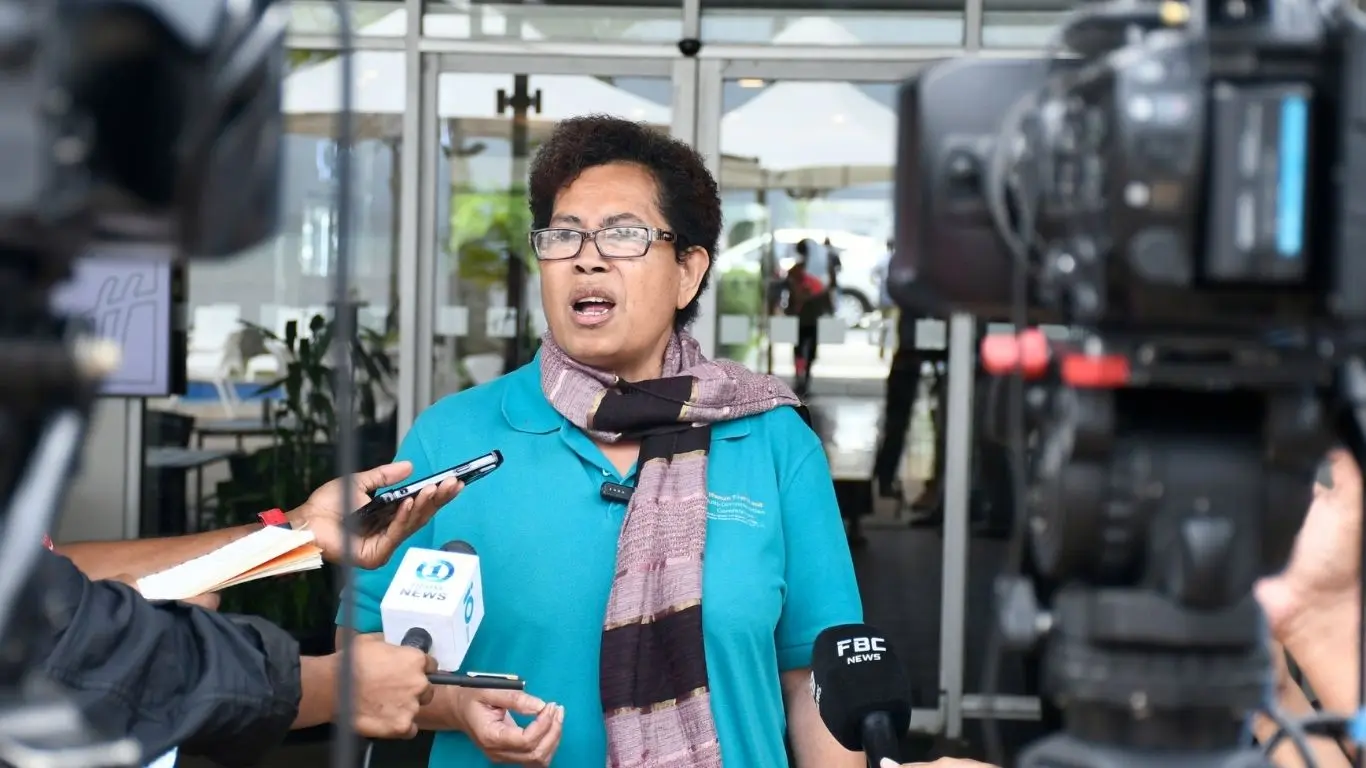
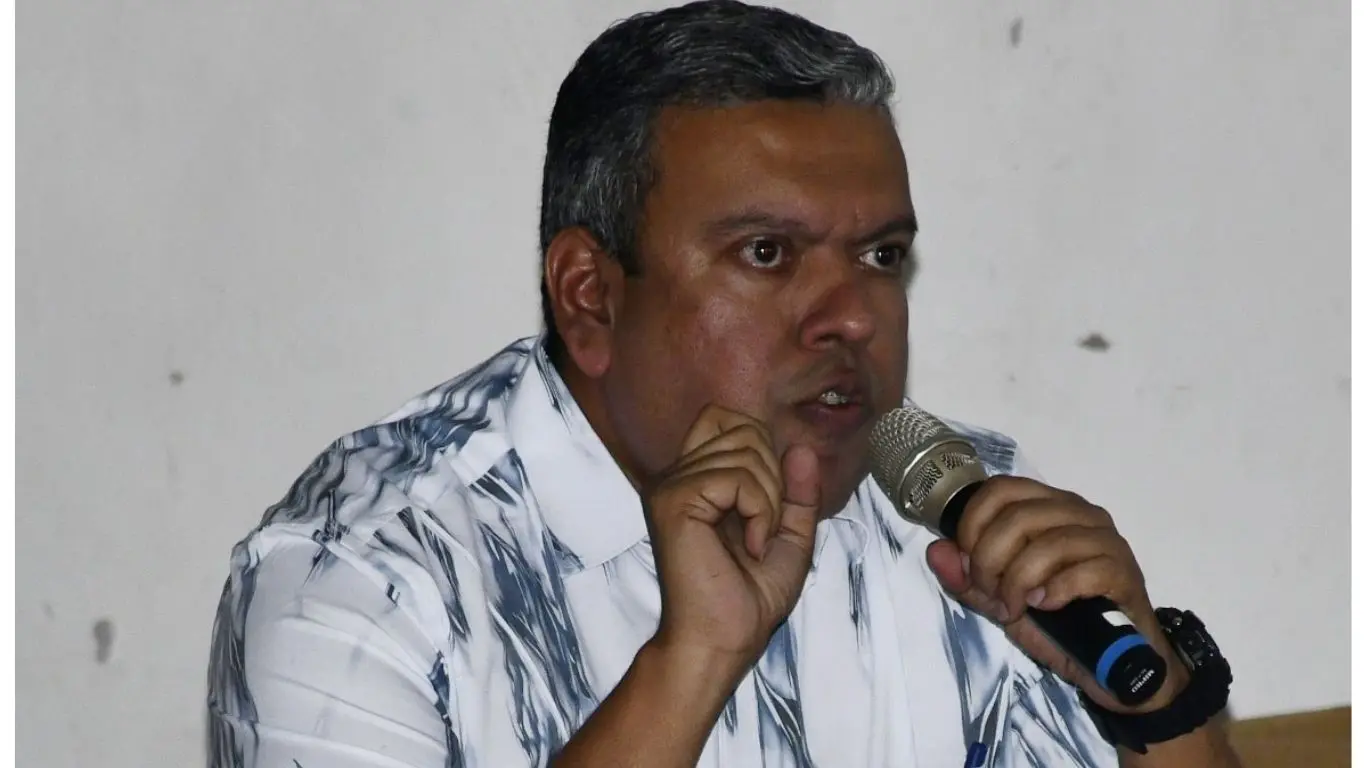
Human Rights and Anti-Discrimination Commissioner Alefani Vuki.
Photo: Ronald Kumar
Fiji should not allow physical punishment to be treated as an acceptable way to discipline children, says Fiji Human Rights and Anti-Discrimination Commission (FHRADC) Commissioner Alefina Vuki.
Ms Vuki has warned that allowing parents or caregivers to physically punish children, even under terms such as “moderate” or “reasonable” chastisement, raises serious concerns about children’s rights and wellbeing.
Related stories
Violence does not benefit children, parents or society. So why go that way?
Fiji Human Rights and Anti-Discrimination Commission (FHRADC) Commissioner Alefina Vuki
Her comments come amid discussion about the possible introduction or recognition of moderate chastisement of children in Fiji.
Ms Vuki said Fiji was a party to the United Nations (UN) Convention on the Rights of the Child and had an international obligation to protect children from all forms of violence.
She said this protection should not depend on whether physical punishment was described as reasonable, moderate or intended to correct a child’s behaviour.
“The law should not create room for violence against children simply because it is described as discipline,” she said.
She referred to Article 19 of the Convention on the Rights of the Child, which requires countries to protect children from all forms of physical and mental violence.
She said the UN Committee on the Rights of the Child had made it clear that this protection included physical punishment described as reasonable or moderate.
Ms Vuki also referred to findings from the World Health Organization and UNICEF, which have warned about the harmful effects of physical punishment on children’s physical and mental development.
“Physical punishment offered no real benefit and could have lasting consequences for children,” she said.
While supporters of physical punishment may view it as a way to correct a child’s behaviour, Ms Vuki argued that violence should not be accepted as a solution.
Feedback: rariqi.turner@fijisun.com.fj