Fisherman urges Fisheries Ministry to review licensing process
Ashok Kumar says he waited three weeks for his 2026 fishing licence, which was issued towards the end of January.
Wednesday 14 October 2026 | 07:00

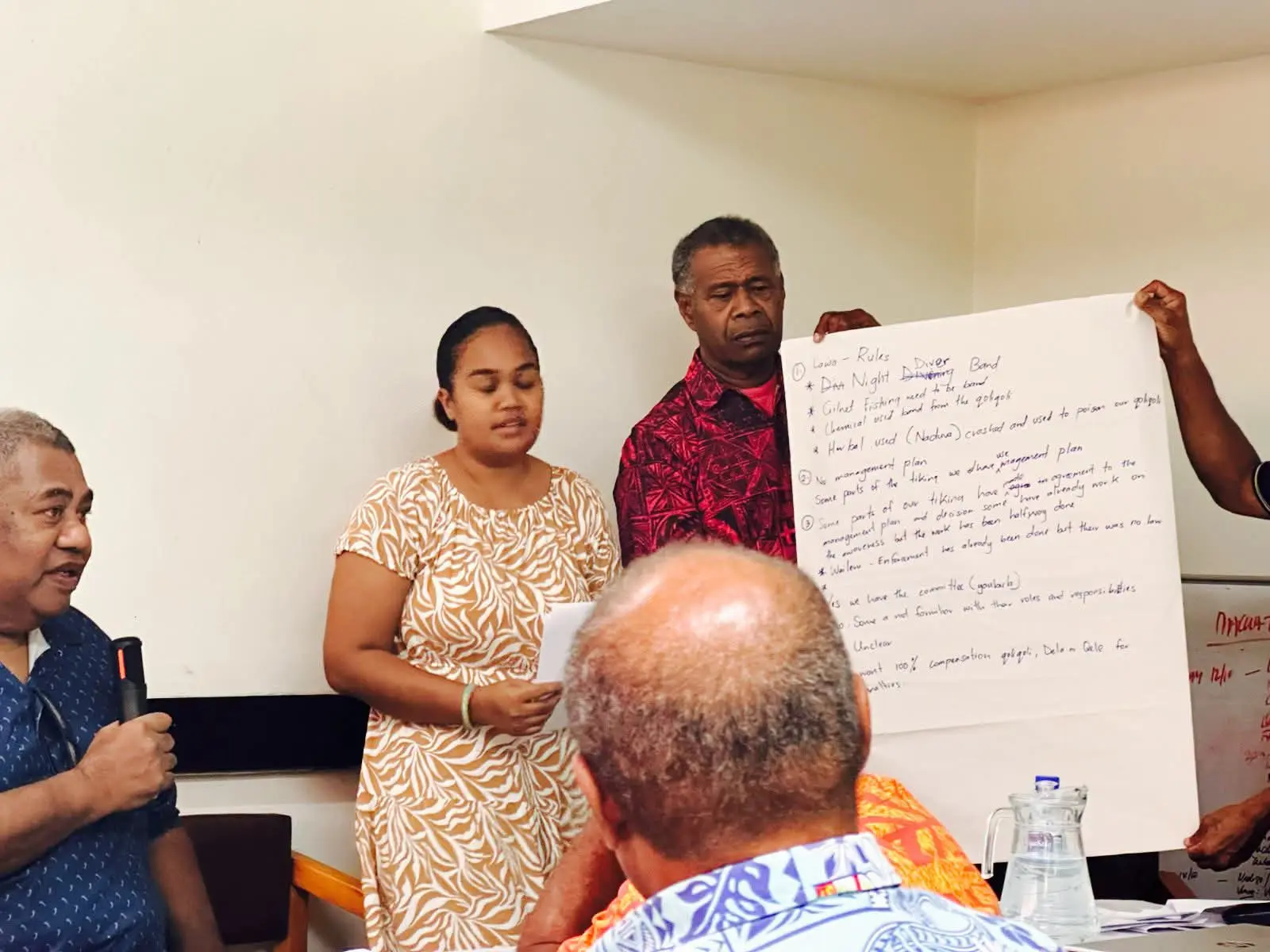
People involved in the fishing sector gathered for the consultation in Labasa on October 12, 2026.
Photo: Supplied
A licensed fisherman has called on the Ministry of Fisheries to strengthen the process of obtaining fishing licences from qoliqoli owners.
Qoliqoli refers to a traditional Fijian customary fishing ground or inshore marine tenure area.
During the ministry’s stakeholder consultations on the Inshore Fisheries Management Bill (IFMB) and Community-Based Fisheries Management (CBFM) in Labasa on Monday, Ashok Kumar, 63, said fishing licences were valid for one year.
Related stories
“By the beginning of December, we reach out to the qoliqoli owners to ask about the cost so that we can pay them and renew our licences before the beginning of the next year,” Mr Kumar said.
“However, this has not been happening in the past years.”
He said he had waited three weeks to receive his 2026 fishing licence, which was issued towards the end of January.
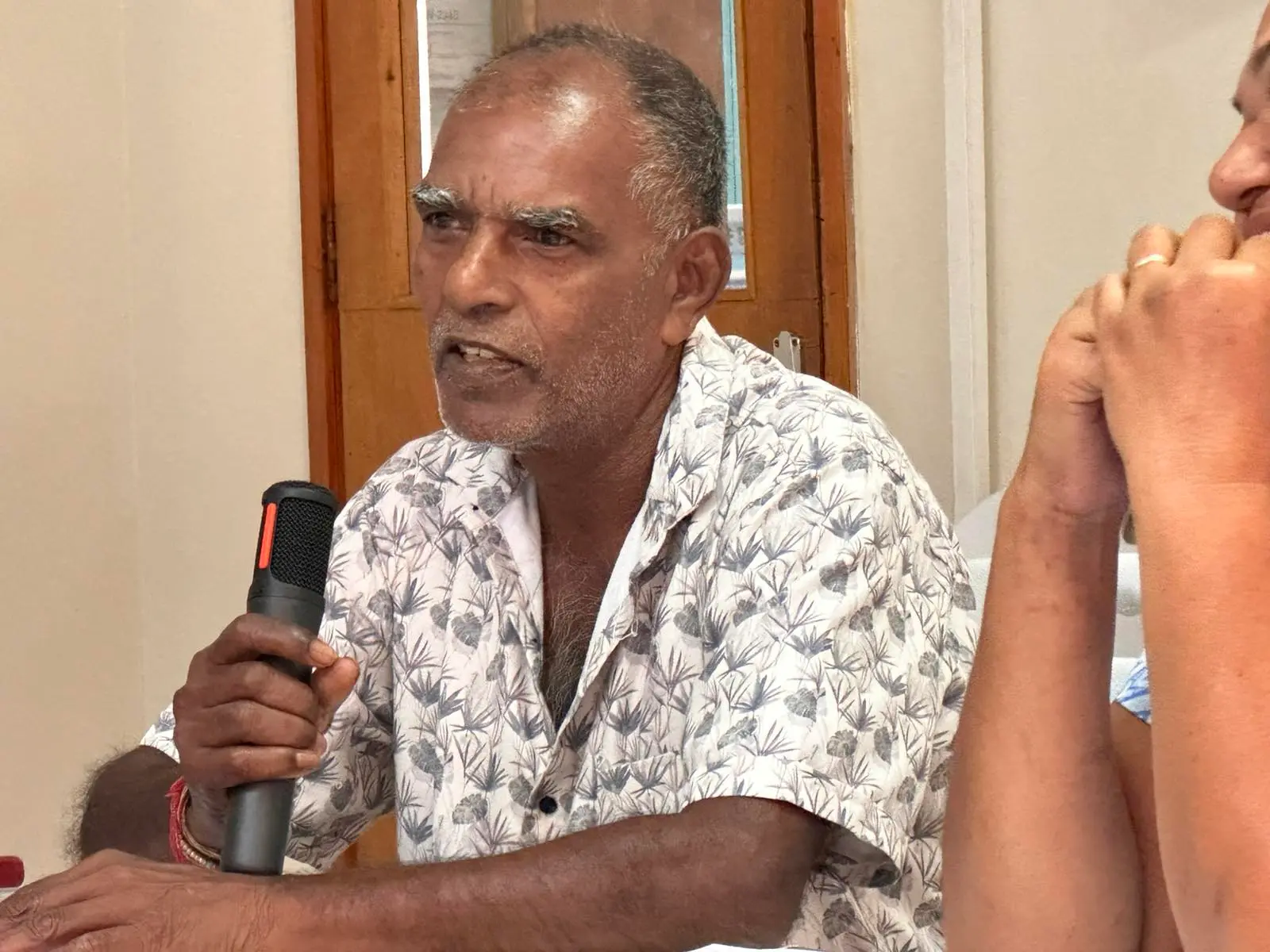
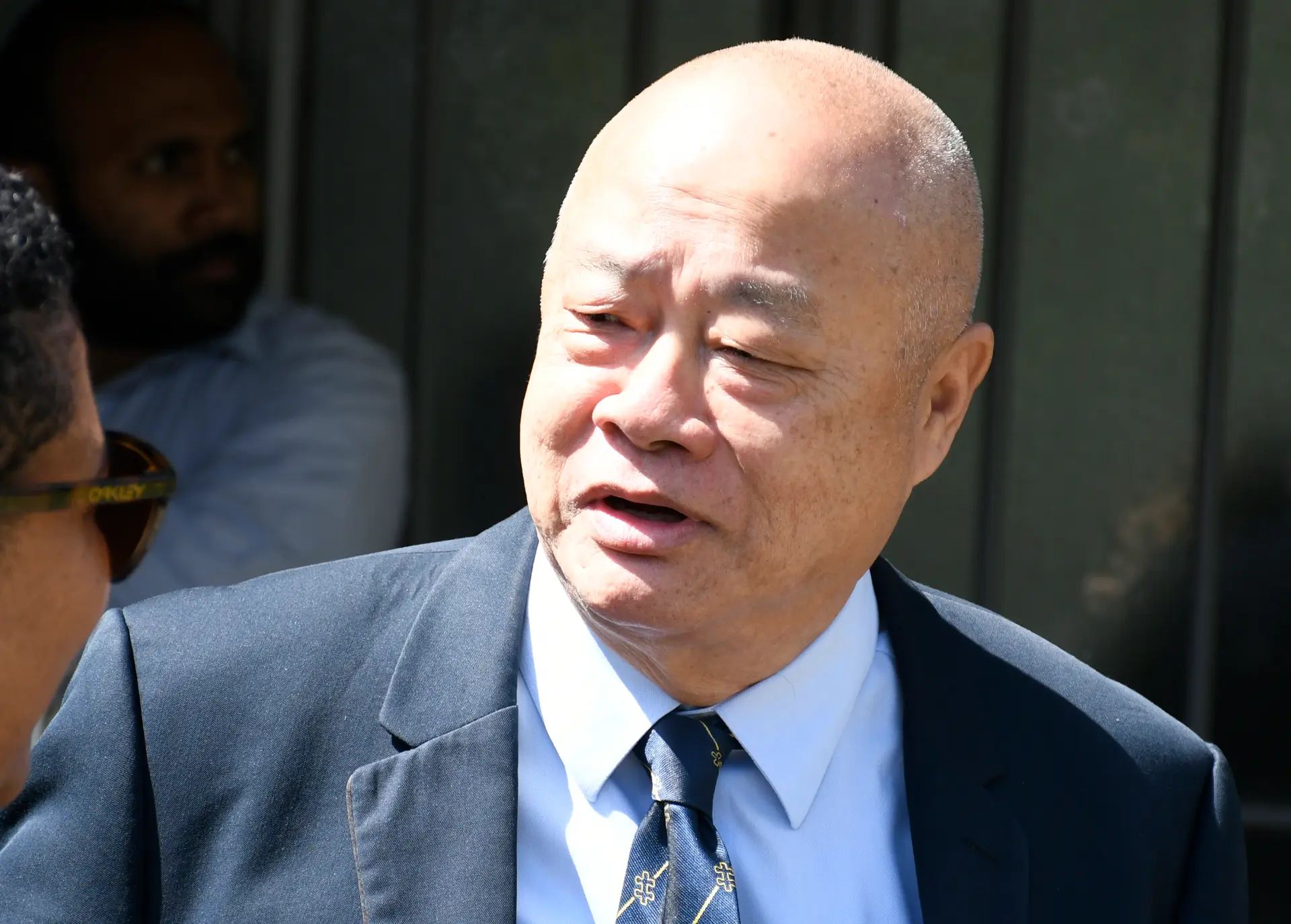
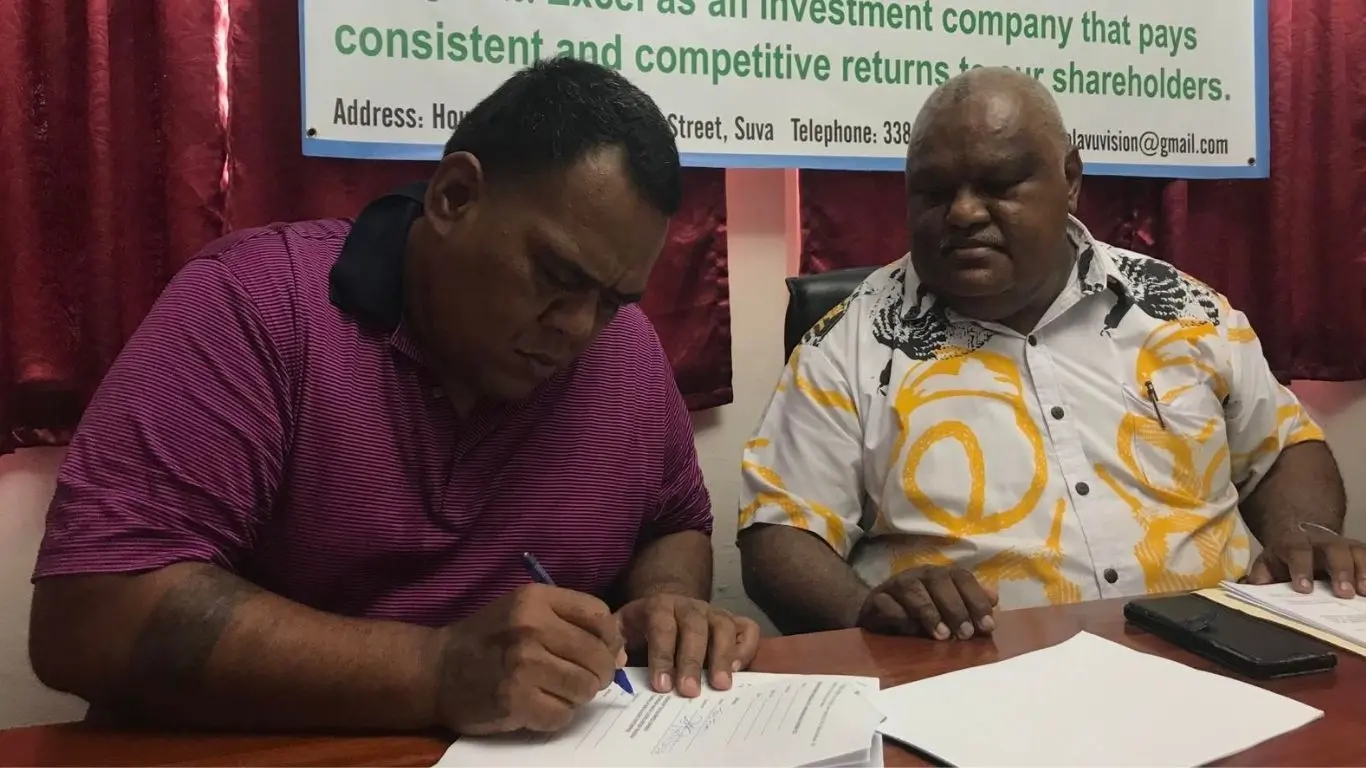
Ashok Kumar making his submission during the consultation in Labasa on October 12, 2026.
Photo: Supplied
Mr Kumar has been in the fishing business for 20 years.
He also raised concerns about boat captains leaving their jobs after collecting income for several months.
“When the boat captain gets the licence to operate, he is choosy, and I have experienced it many times where some run away after a few months of collecting income,” Mr Kumar said.
“We need to strengthen this area so that we don’t struggle to find boat captains and perhaps the licence can be given to the boat owner.”
The nationwide consultation initiative covers the Western, Northern, Eastern and Central divisions. It aims to gather community feedback on the IFMB and CBFM frameworks.
Inshore fisheries support the traditional livelihoods, food security and economies of coastal communities.
The consultations aim to empower communities, strengthen resource monitoring, improve sustainable fishing practices and ensure local concerns inform policymaking.