Kava grower calls for separate fines for farmers, businesses
Pita Tudonu says proposed penalties could place an unfair burden on rural farmers who rely on kava to support their families.
Wednesday 14 October 2026 | 07:30


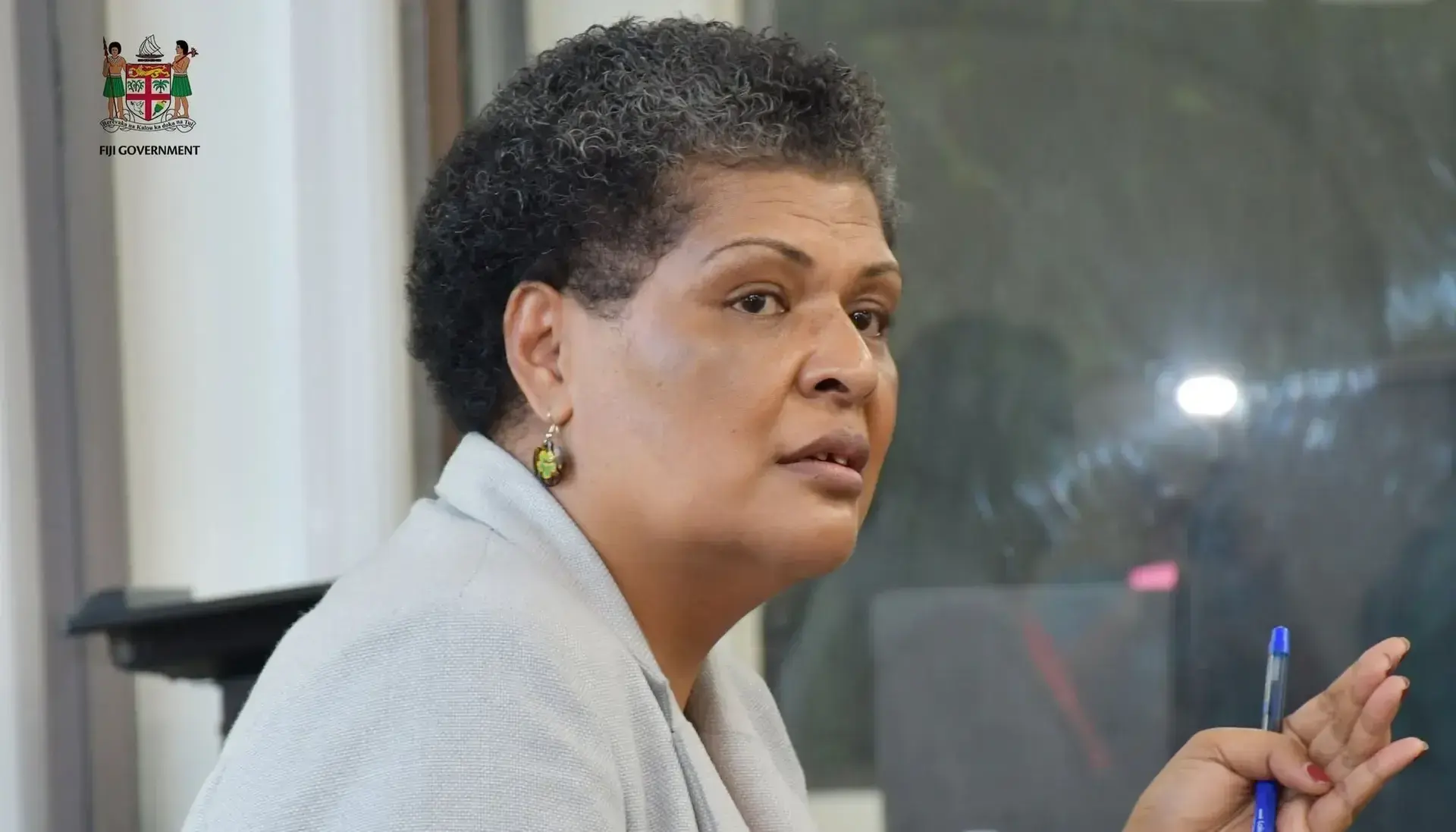
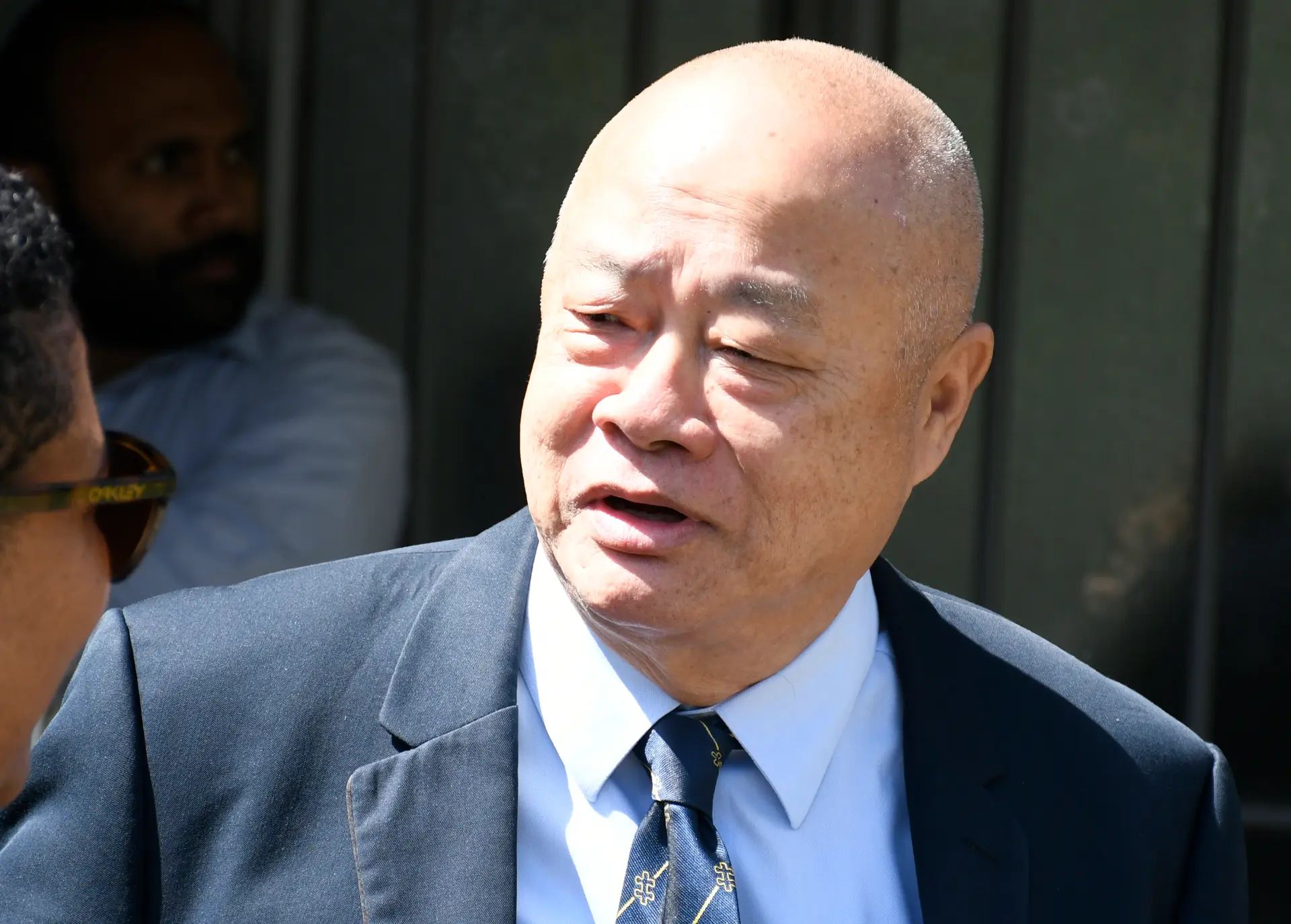
Standing Committee on Justice, Law and Human Rights member, Sachida Nand chairperson Ratu Rakuita Vakalalabure and member Aliki Bia during the consultation on the Yaqona (Kava) Bill at the Civic Centre in Labasa on October 13, 2026.
Photo: Shratika Naidu
A kava grower has called for separate fines for individual and commercial farmers under the Yaqona (Kava) Bill No. 28 of 2026.
Pita Tudonu, 63, of Dogotuki, Macuata, told the Standing Committee on Justice, Law and Human Rights during a consultation on the Bill at the Civic Centre in Labasa yesterday that the proposed fine was too high for an ordinary farmer from a rural area or an island who only needed money to survive or provide for the family.
“The proposed Bill states that an individual who sells kava could face up to two years in jail or a $10,000 fine if they operate without registering their business,” Mr Tudonu said.
Related stories
“We must understand that the people involved in the value chain have different roles and operate at different types of business such as small and medium.”
He said the Bill defined a yaqona operator as any person engaged in cultivating, manufacturing, processing, packaging, offering for sale, importing or exporting yaqona or yaqona products.
However, he said there needed to be a distinction between the different types of operators, with penalties reflecting their activities.
In response, Standing Committee on Justice, Law and Human Rights chairperson Ratu Rakuita Vakalalabure said a body corporate operating without registration or a licence could face a fine of up to $100,000.
“The offence does not apply to the possession or consumption of yaqona for personal use, not exceeding the quantity prescribed by regulation; or the reasonable traditional or cultural use of yaqona within Fiji,” Mr Vakalalabure said.
He said the Bill proposed the establishment of a Fiji Yaqona Council, which would appoint enforcement officers to enter and inspect premises, check records and take samples.
Obstructing enforcement officers or providing false information would also be an offence, he said.
Another attendee, Shalendra Singh, proposed requiring all yaqona operators to have a land lease as a condition of operating their businesses.
“This way, the officers can check their farms to establish whether they are actually planting or selling yaqona before issuing a licence,” Mr Singh said.
He said the requirement would also help improve monitoring of the yaqona industry in Fiji.
Mr Vakalalabure said the suggestion was welcomed and had been noted.