Military vows neutrality, pushes reforms to prevent future coups
Commander Major-General Ro Jone Kalouniwai says the RFMF must remain neutral during elections.
Monday 02 November 2026 | 09:00
Updated 02 November 2026 | 11:09 FJT
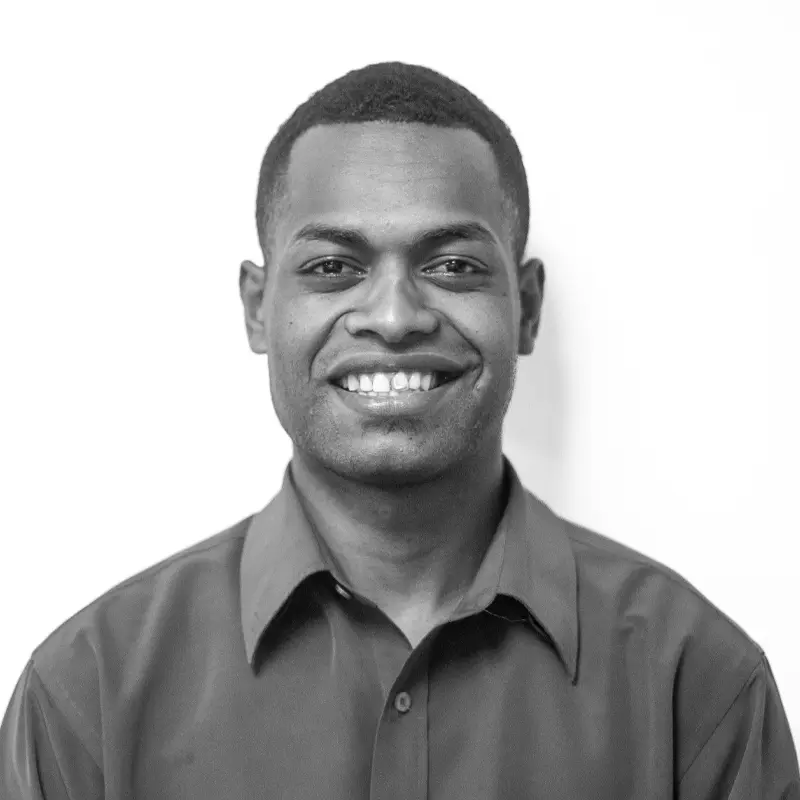
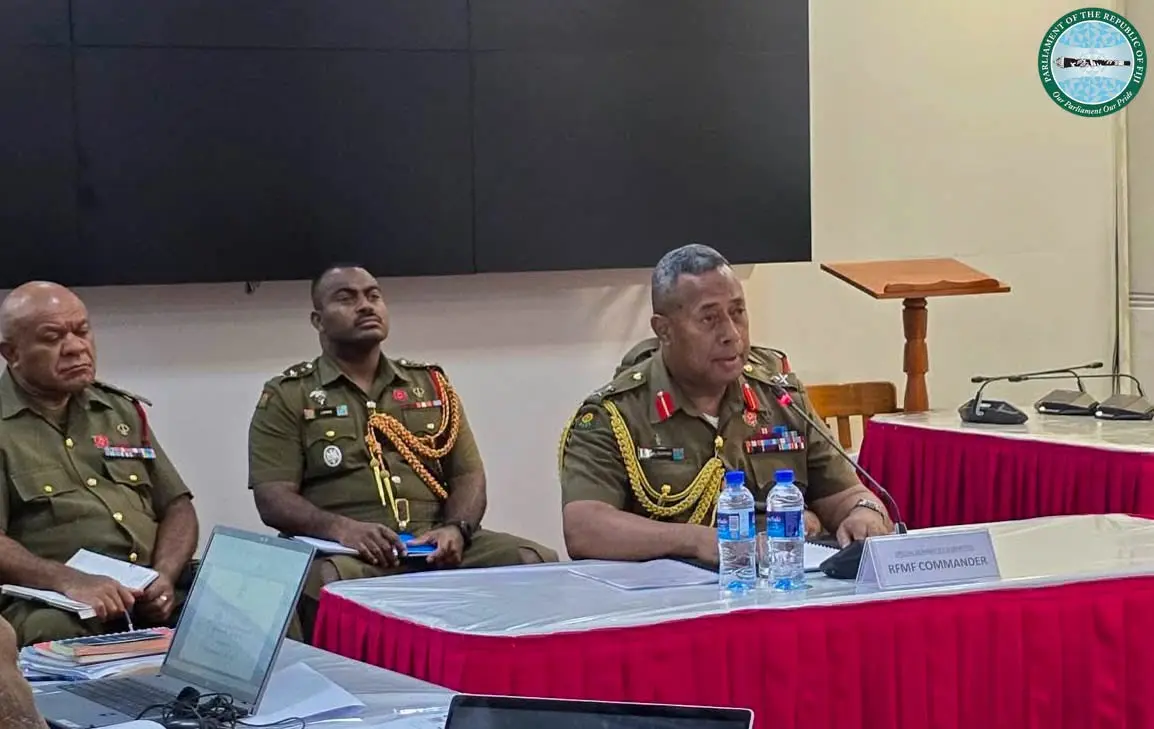
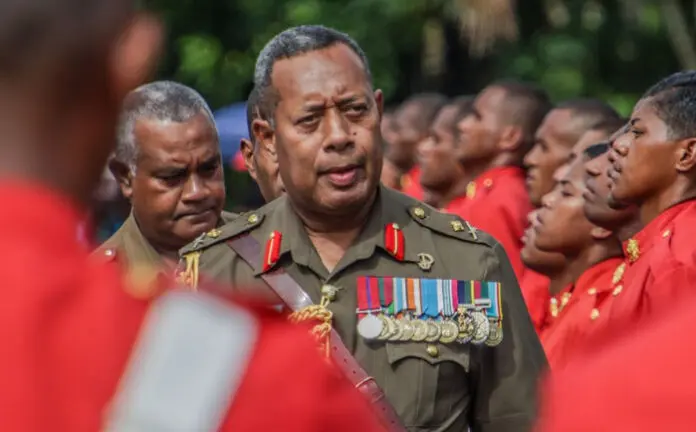
Republic of Fiji Military Forces (RFMF) Commander Major-General Ro Jone Kalouniwai making the RFMF's submission to the Joint Parliamentary Special Committee on October 31, 2026.
Photo: Parliament of Fiji
The military will never become a political tool, and no soldier should use the uniform to influence the people's choice at the ballot box.
That is the message from Republic of Fiji Military Forces (RFMF) Commander Major-General Ro Jone Kalouniwai, who said the military would remain neutral during the upcoming referendum and general elections.
However, the RFMF is also calling for major constitutional safeguards to prevent a repeat of Fiji's troubled past.
In its submission to the Special Committee on the Constitution (Amendment) Bill, the military wants soldiers to be constitutionally required to refuse manifestly unlawful orders, greater parliamentary oversight of internal military deployments and a two-thirds majority before Parliament can extend its term.
The proposals aim to prevent the military from being used against civilians and to protect democratic processes.
Major-General Kalouniwai said the RFMF had learned painful lessons from its history, particularly the dangers of allowing armed force to override the people's democratic choice.
"A soldier who knows he will answer to the law can never be made into a weapon against his own people," he said.
The RFMF also wants safeguards to prevent constitutional changes from taking effect too early during an election, thereby protecting the people's right to vote.
On Fiji's troubled past, the Commander wants Chapter 14 replaced with a Truth, Accountability and Reconciliation Commission.
He said the proposed commission should require full disclosure, with protection from accountability never extending to the gravest crimes.
The military is also calling for stronger constitutional protection for children and people living with disabilities. Its recommendations include removing the chastisement proviso and applying one test to every limitation of rights.
Other recommendations include retaining the Fiji Independent Commission Against Corruption (FICAC), ensuring balance in the Constitutional Offices Commission and strengthening safeguards for the courts.
Reflecting on the RFMF's role in Fiji's coups, Major-General Kalouniwai acknowledged that the military was not appearing before the committee with clean hands.
"In 1987, in 2000 and 2006, the constitutional order of our nation was overturned and the RFMF was at the centre of these events," he said.
He described the system that allowed the coups to happen as an "architecture of rebellion", built on secrecy, fear, loyalty and constitutional protection.
Prime Minister Sitiveni Rabuka, who received the submission on behalf of the committee, assured the Commander that the recommendations would be considered seriously.
"We don't only promise you, we promise Fiji that we'll take this submission very seriously," Mr Rabuka said.
He also told the Commander that if things went wrong, either he or his successor would have to restore order.
"Because if things go wrong, either you or your successor will have to bring it back to order," Mr Rabuka said.