Nightclub operators reject claims linking venues to HIV spread
White House nightclub president John Jeong Choon-Sik, of Martintar, Nadi, said nightclubs should not be blamed for HIV transmission.
Monday 24 August 2026 | 08:30

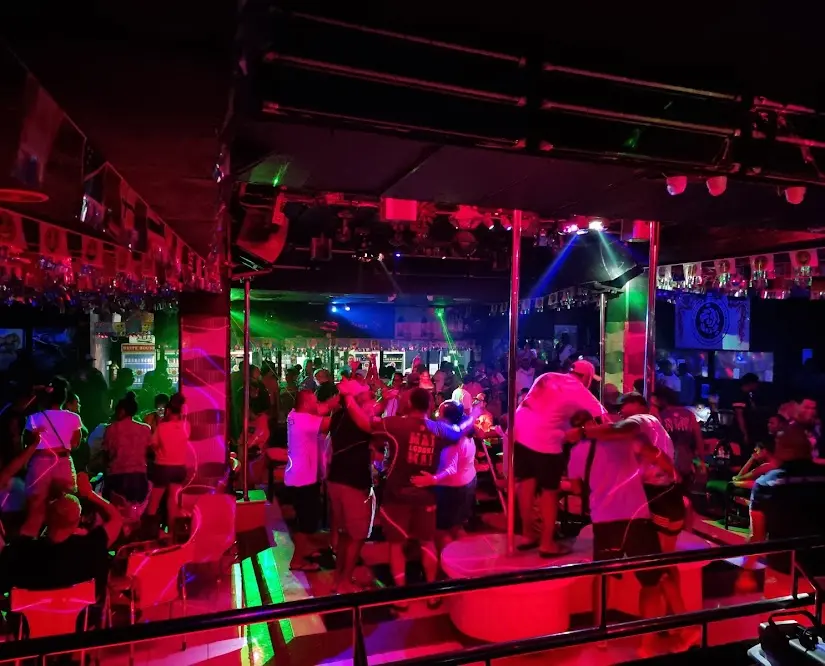
Nightclub operators have rejected claims that nightclubs are contributing to the spread of HIV in Fiji.
They argue that closing nightclubs early could push people into less regulated environments.
White House nightclub president John Jeong Choon-Sik, of Martintar, Nadi, said nightclubs should not be blamed for HIV transmission.
“What do you do in nightclubs? You socialise, meet friends and workmates, dance, share drinks and enjoy yourself,” he said.
Mr Choon-Sik said licensed nightclubs provided security, CCTV cameras, toilets, food and transport options, making them safer than unsupervised gatherings.
He argued that restricting nightclub operating hours could encourage people to move to black markets, house parties, beaches and isolated areas, where there was less monitoring and greater potential for drug use, violence and other risky behaviour.
“People can take drugs, have sex and become involved in violence, rape, murder and robberies,” he said.
Mr Choon-Sik also called for greater responsibility from Government, parents, churches, chiefs and community leaders.
He said children and young people needed better education, supervision and guidance, while unemployed people and vulnerable families should receive greater social support.
He also criticised churches for failing to adequately teach biblical values and said parents should spend more time with their children rather than becoming distracted by social and community obligations.
He said nightclubs also served tourism and hospitality workers, who often worked long hours and used licensed venues to relax after their shifts.
Meanwhile, former president of the Nadi Nightclub Operators Association and Ice-Bar Nadi owner, Roneel Sami also rejected the claim.
“People can share needles and have unprotected sex in a cassava patch but not in bars,” he said.
He said alcohol abuse was more closely associated with risky behaviour, particularly alcohol bought from retail outlets and black markets.
“Do not blame nightclubs for the increase in the spread of HIV,” Mr Sami said.