Past El Niños carry a warning Fiji cannot ignore: Prepare early, act now
Fiji Meteorological Service director Misaele Funaki has confirmed that some remote islands have started requesting water supplies as water sources begin drying up amid a lack of rainfall.
Friday 11 September 2026 | 08:00
Updated 13 September 2026 | 19:19 FJT

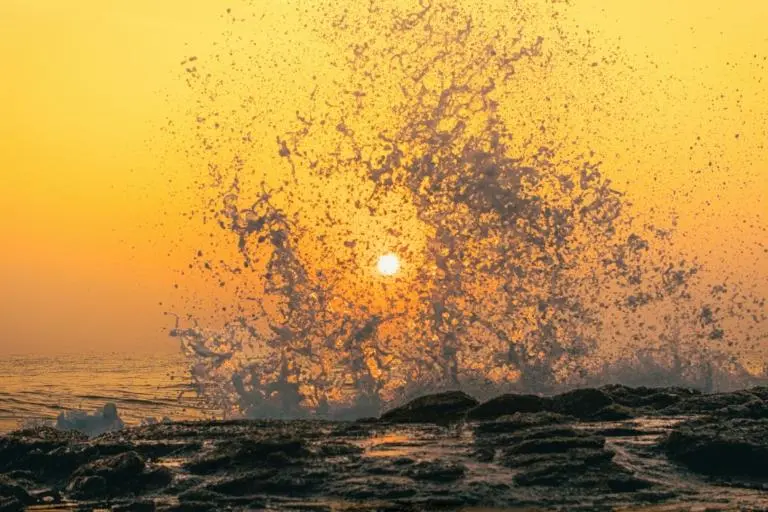
Changes in sea levels and ocean temperatures associated with El Niño could affect reefs, fisheries, maritime transport and communities that depend on the ocean for food and livelihoods.
Fiji has been here before.
Past El Niño events have brought severe drought, shrinking water supplies and pressure on agriculture and fisheries, while changing ocean conditions have threatened reefs and coastal livelihoods.
History also shows that past El Niño years have coincided with some of Fiji’s most destructive cyclones.
Related stories
Tropical Cyclone Bebe in 1972 and Severe Tropical Cyclone Winston in 2016 were both recorded during El Niño years, a reminder of why experts say warnings surrounding the current event should be taken seriously.
Now, with the current El Niño expected to become one of the strongest on record, Pacific climate and ocean experts have a clear message: prepare early, heed official warnings and act on the information available.
The World Meteorological Organization (WMO) says El Niño is firmly established and is expected to strengthen further, with an exceptionally high likelihood of nearly 100 per cent that it will persist through February 2027.
Former acting director of the Fiji Meteorological Service and now Pacific Islands-Global Ocean Observing Systems (PIGOOS) coordinator for the Pacific Community (SPC), Bipen Prakash, said the coming tropical cyclone and warm, wet season would be influenced by El Niño.
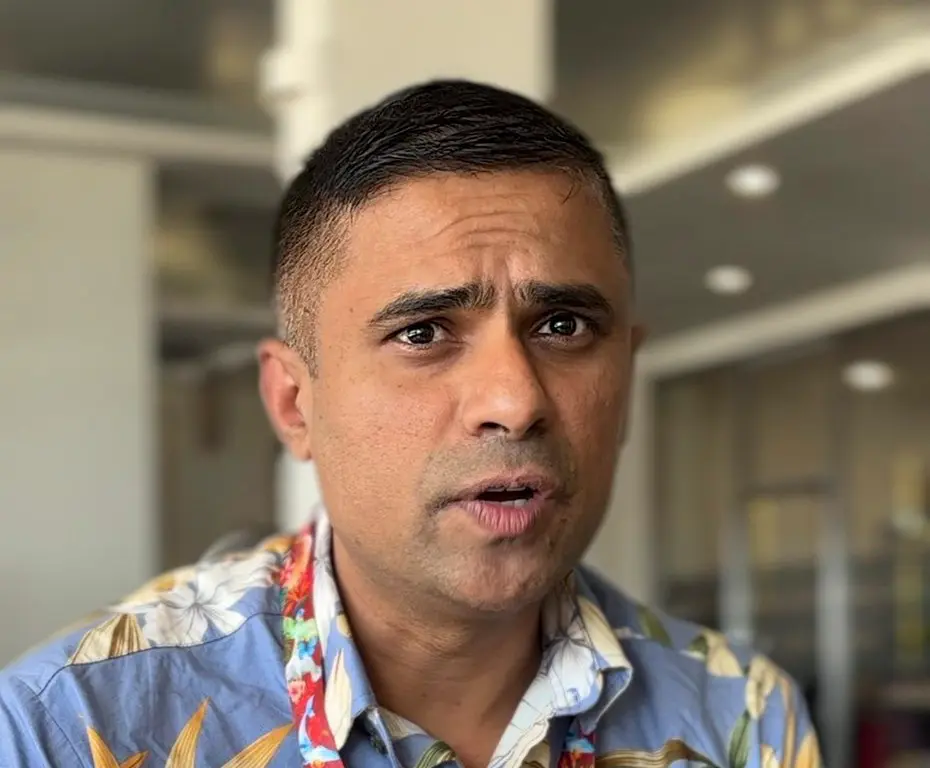
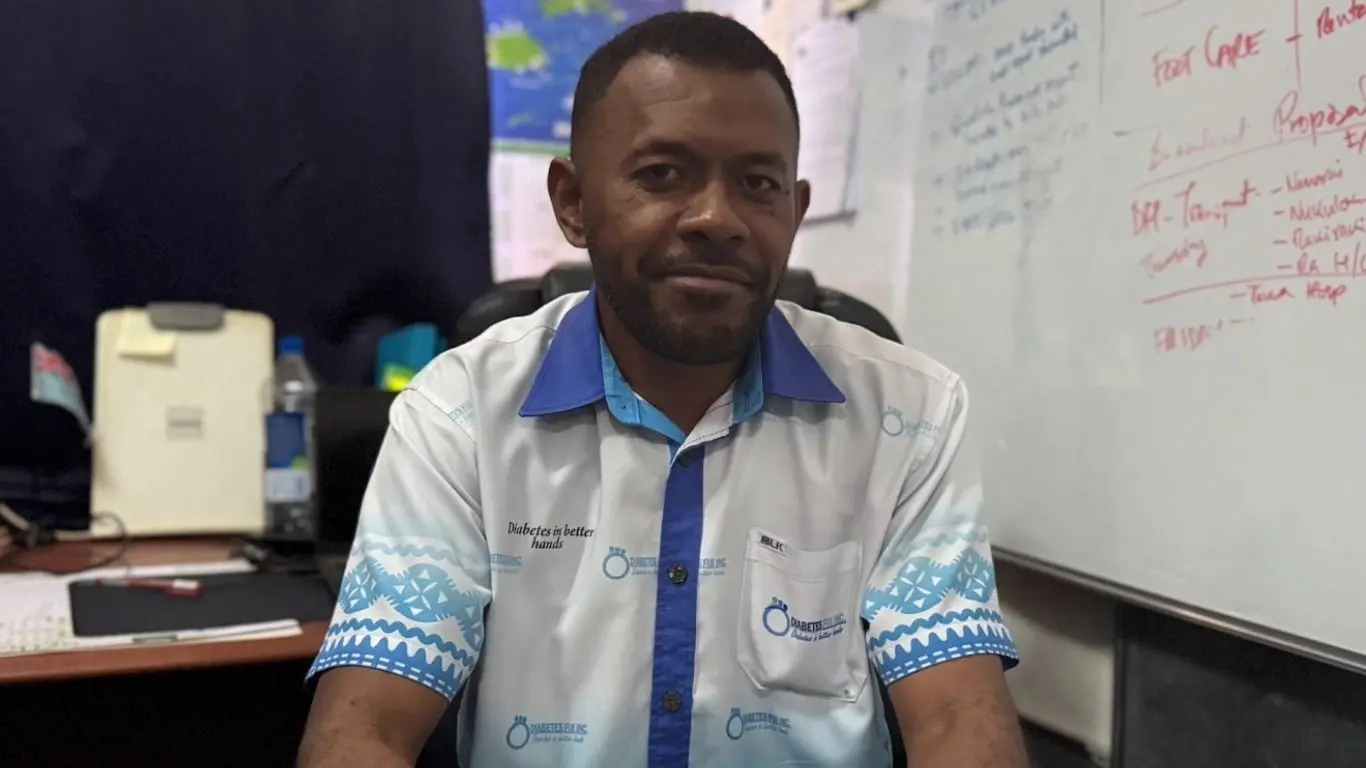
Former acting director of the Fiji Meteorological Service and now Pacific Islands-Global Ocean Observing Systems (PIGOOS) coordinator for the Pacific Community (SPC), Bipen Prakash.
Photo: INOKE RABONU
“There's elevated risk of tropical cyclones in the coming season and this is usually the case with El Nino events. I would urge public and Governments to start preparing for it.”
History points to drought
One of the clearest warnings from previous El Niño events is the threat of reduced rainfall and drought.
The warning signs are already emerging.
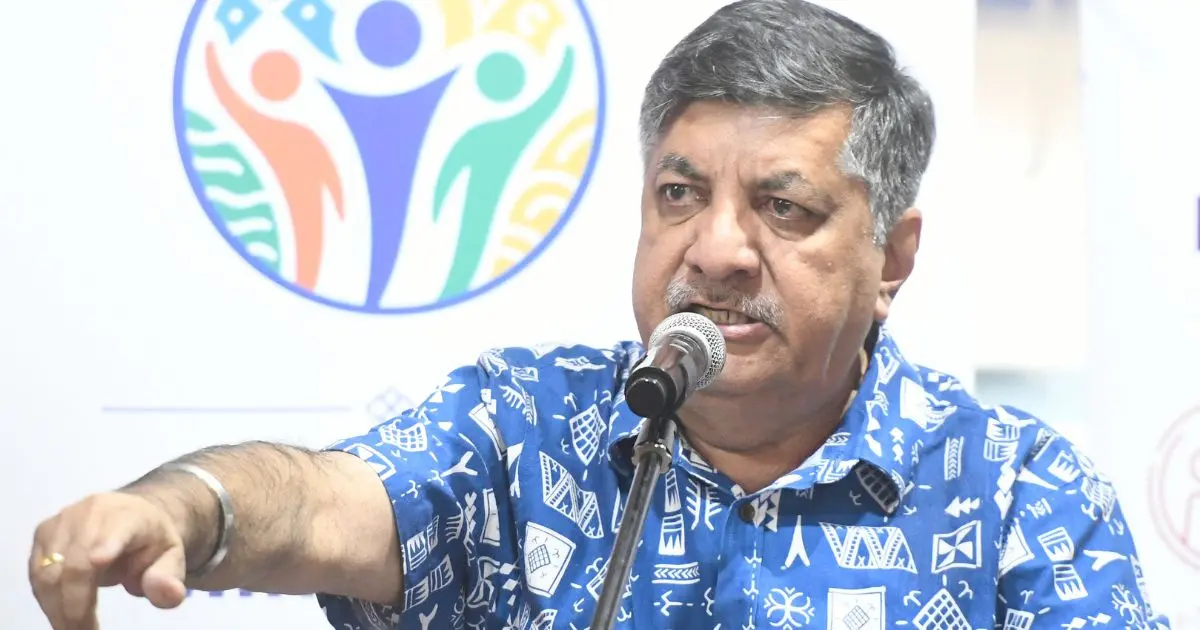
Fiji Meteorological Service director Misaele Funaki has confirmed that some remote islands have started requesting water supplies as water sources begin drying up amid a lack of rainfall.
Mr Funaki said the situation needed to be considered alongside preparations for the coming tropical cyclone season and the El Niño conditions affecting Fiji.
“The preparations have, firstly, at this time, whilst we look into the tropical cyclone season, with the El Nino upon us, some of our remote islands have started asking for water.
“Sa tekivu tiko na kena valeleci tiko na wai ni gunu kina vei yanuyanu.”
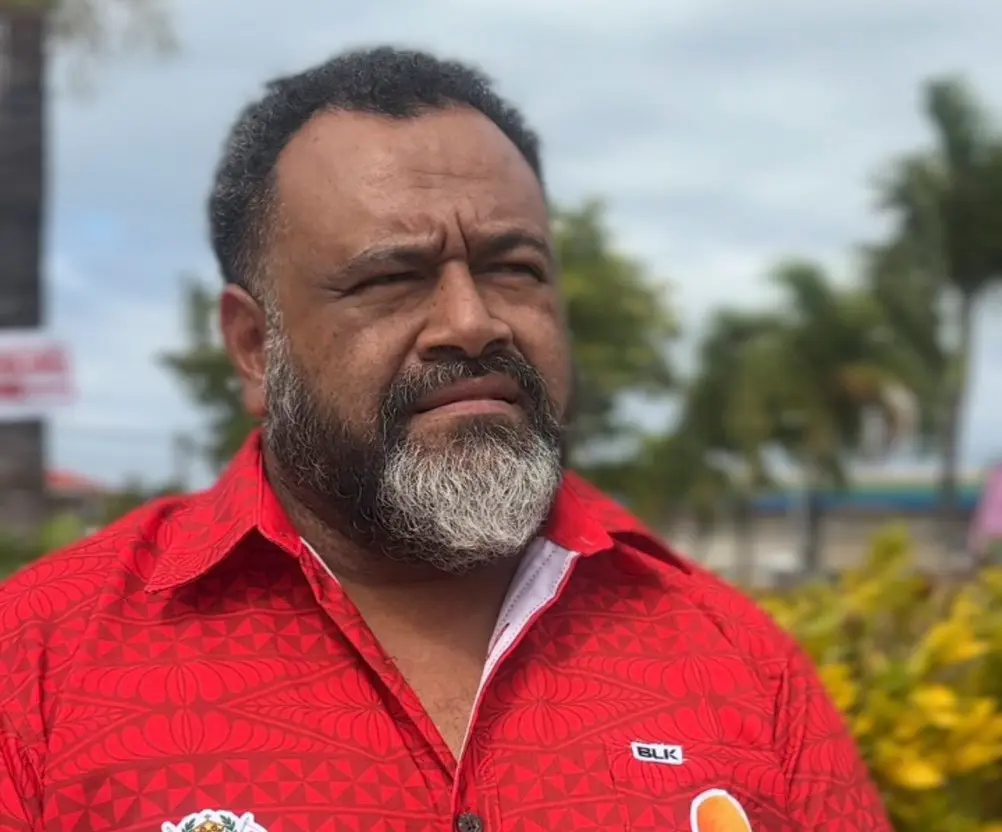
Fiji Meteorological Service director Misaeli Funaki.
Photo: INOKE RABONU
Mr Prakash said some of the worst droughts experienced in the region had occurred during previous El Niño events.
“Yeah, so, one of the greatest concerns when it comes to El Nino event is reduction in rainfall. And we have experienced some of the worst droughts during El Nino events, during the past El Nino events.
“You have to be mindful of that. In fact, you know, as we head into the wet season, slowly we will begin to see a bit of rainfall every now and then.
“But, you know, what is concerning is that you might not get as much rainfall as you normally get in a wet season.”
That is where the lessons from previous events become critical.
A weaker wet season could mean rivers, streams, wells and other water sources do not receive their normal replenishment before Fiji enters another dry season.
Mr Prakash warned water supplies could then begin drying up more quickly.
“So, when it comes to the dry season in the following year, meaning next year's dry season, you might quickly start to run out of water.
“So, farmers need to take heed of this.”
Agriculture, sugar and fisheries are among the sectors that could be affected.
Mr Prakash said those sectors were aware of the potential impacts and information was already available to agencies.
“But I would, you know, advise that you react and work accordingly based on the advisories issued by relevant national authorities.”
SPC ocean science officer Dr Moleni Tu’uholoaki said the current El Niño was already a strong event and was displaying similarities to previous major events.

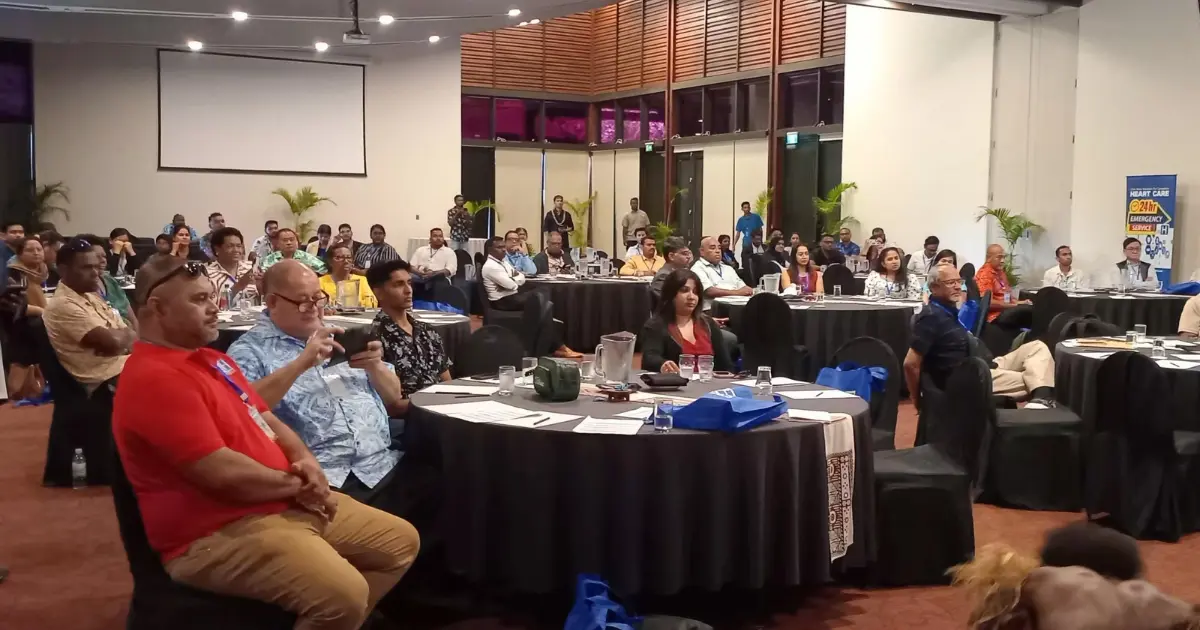
SPC ocean science officer Dr Moleni Tu’uholoaki.
Dr Tu’uholoaki stressed that while scientists could identify the broader pattern, the severity of the impacts on individual countries could not yet be pinpointed.
“When it comes down to the national scale, we don't know what impacts it will bring individually for each country.”
Ocean warning
The warning does not stop at the shoreline.
Changes in sea levels and ocean temperatures associated with El Niño could affect reefs, fisheries, maritime transport and communities that depend on the ocean for food and livelihoods.
Mr Prakash said people heading to sea needed to pay close attention to marine and weather forecasts.
“There's also changes in the oceanic conditions that comes with El Nino events.
“Reduced sea level, changes in oceanic temperatures which could affect fisheries. There's also, you know, alteration in the weather patterns. So, you need to be mindful of the weather forecast and marine forecast before you head out to sea.”
Reduced sea levels could expose reefs and affect navigation and sea transportation, while warmer ocean conditions could add another layer of stress.
Mr Prakash said the combination had produced worrying impacts before.
“In the past and in recent years, we have noticed that we could occasionally experience fish kills due to exposure of extremely low sea levels combined with the heat content at this time of the year.
“So, these are some of the things which we need to be mindful of, and these are some of the risks which we have to be careful of.”
Give reefs time to recover
Dr Tu’uholoaki said communities should avoid adding further pressure to reefs already facing environmental stress.
“If you overfish, if you keep going and doing your coastal fishing more regularly without managing it, then you are adding more stress to the reefs.
“So the advice is to better manage it. Maybe this time, do not fish in this area. Or we will tell you to fish here and you go somewhere else, but not at the same place all the time.”
Repeated fishing in the same areas could leave reefs with little opportunity to recover.
“If people keep going fishing back and forth, there's no time for the reef to recover. People keep going back and forth."
The impacts, however, will not be uniform across the Pacific.
PUBLIC SERVICE BROADCAST: This content is produced with support from the Public Service Broadcast grant. Connecting Fijians with transparent, timely, and trusted information.