Remote islands seek water as El Niño conditions bite
Fiji faces the challenge of preparing simultaneously for dry conditions associated with El Niño and the approaching tropical cyclone season, which normally brings the country’s rainy season.
Friday 11 September 2026 | 08:00
Updated 11 September 2026 | 10:05 FJT

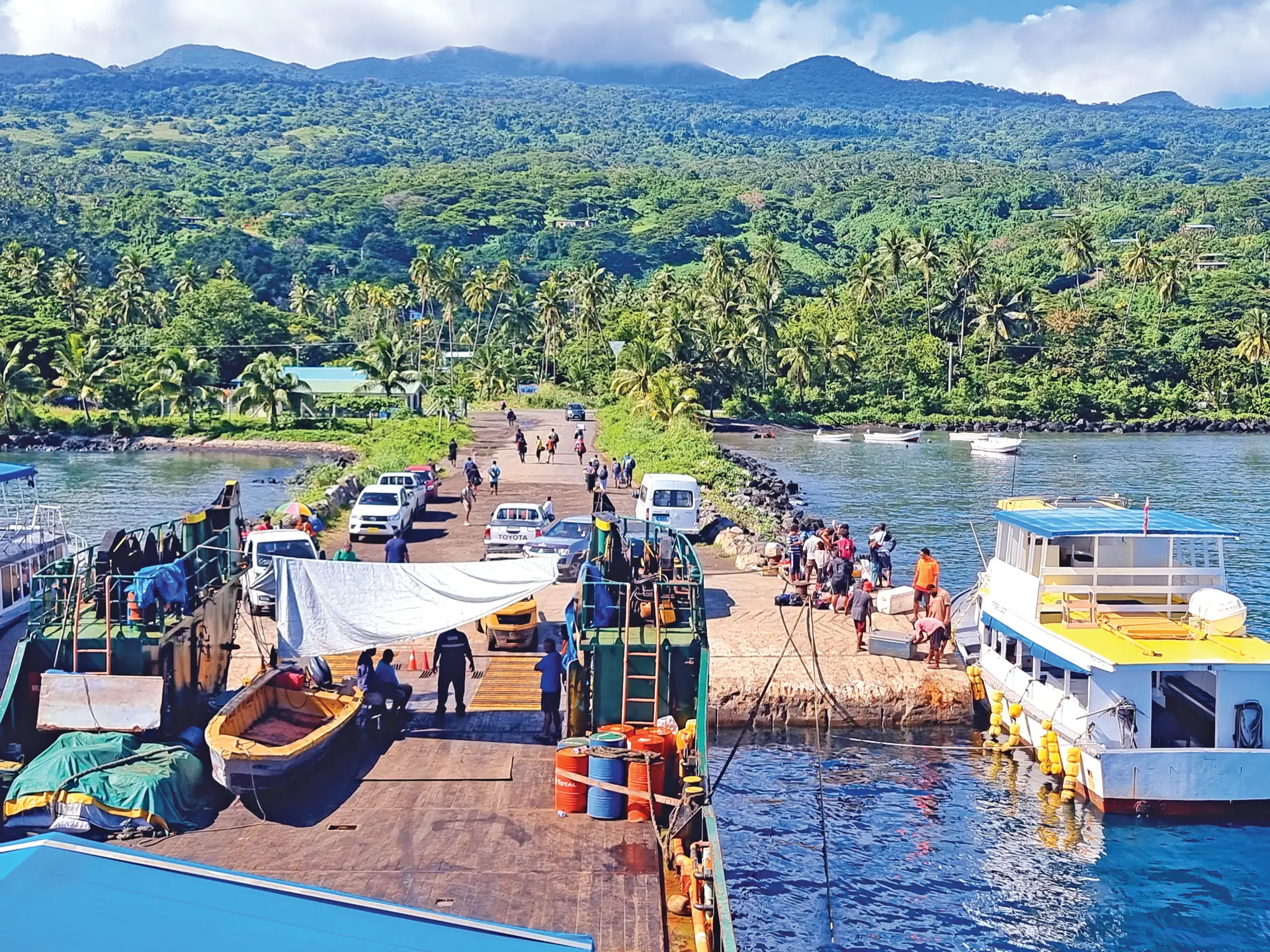
Some of Fiji’s remote islands have started asking for water as El Niño conditions begin putting pressure on drinking water supplies.
Fiji Meteorological Service director Misaeli Funaki confirmed the emerging situation as Fiji prepares for the coming tropical cyclone and amid El Nino conditions.
“At this time, whilst we look into the tropical cyclone season, with the El Nino upon us, some of our remote islands have started asking for water," Mr Funaki said.
Related stories
“Sa tekivu tiko na kena valeleci tiko na wai ni gunu kina vei yanuyanu.”
Mr Funaki was speaking on the sidelines of the 8th Pacific Meteorological Council meeting in Nuku'alofa, Tonga yesterday.

Fiji Meteorological Service director Misaeli Funaki.
Pacific Community
His comments come after the latest Early Action Rainfall (EAR) Watch issue highlights significant dry conditions in several parts of the country.
The update highlights significant dry conditions in several parts of the country.
As of August 2026, the three-month rainfall outlook shows very wet conditions in Vatulele, while very dry conditions exist in parts of Makogai, parts of Koro Island, Gau, across Vanua Levu, Vanuabalavu, the northern Lau Group and Ono-i-Lau. Seriously dry conditions exist in Taveuni and Cikobia, while the rest of the country has no extreme alert.
On Tuesday, Ministry of Lands and Mineral Resources urged communities heavily reliant on boreholes and groundwater sources to take precautionary measures as Fiji prepares for an extended period of below-normal rainfall associated with the ongoing El Niño conditions.
Fiji faces the challenge of preparing simultaneously for dry conditions associated with El Niño and the approaching tropical cyclone season, which normally brings the country’s rainy season.
Mr Funaki said the possibility of El Niño extending into the rainy season had implications beyond water supplies, including Government resources and the ability of essential services in remote areas to cope.
“We're looking into the tropical cyclone season because it brings with it the rainy season. But with the forecast that we have that it may touch into our rainy season, what that means on the government is about the mobilisation of resources. For our everyday people, people in the outlying stations, how the medical facilities will cope.
“So, it's a broad conversation, but the government has its strategy on how to handle it, and I think they're doing their very best.”
The situation puts particular attention on remote and maritime communities where access to alternative water supplies can be more difficult.
Mr Funaki said the conditions Fiji was facing included drought and rough seas, making regional discussions on how meteorological services respond increasingly important.
“But the truth is, when it comes to the season that we are in, long drought, macamaca na wai, rough seas in which are southerly winds, it is a time for us to come together and as I said, find what is the way to strategise.”
The Pacific Meteorological Council brings together meteorological services and development partners from across the region to discuss common challenges and strengthen responses.
Mr Funaki said Fiji had participated in the council since its inception and had also hosted previous meetings.
He said the gathering provided an opportunity to assess progress and prepare for a changing climate.
“I think this meeting is important because it is at one time where we get together as a region to take stock of how we've done, noting the challenges that we face and the uniqueness of the geographical area we live in.”
PUBLIC SERVICE BROADCAST: This content is produced with support from the Public Service Broadcast grant. Connecting Fijians with transparent, timely, and trusted information.