Retain the good, remove the bad, says Bua resident
Ulaiasi Radoka says some provisions introduced under the 2013 Constitution have benefited Fiji and should be retained.
Wednesday 28 October 2026 | 14:30

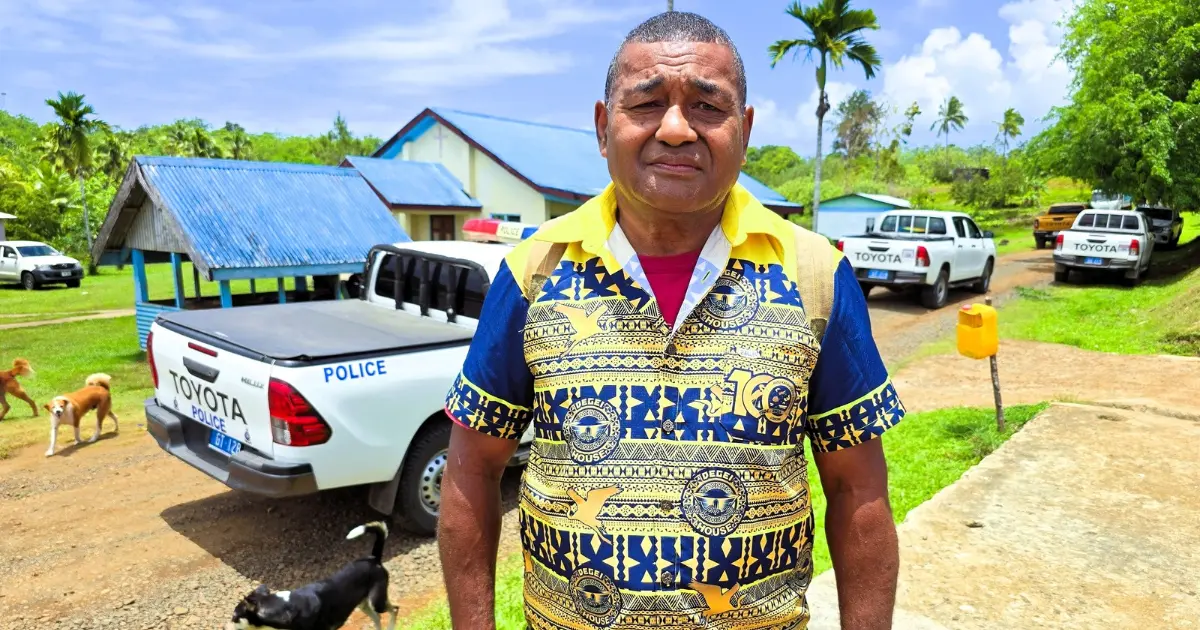
Root crop farmer, Ulaiasi Radoka, after the Constitution (Amendment) Bill 2026 public consultation held at Kilaka Village, Kubulau, Bua on October 26, 2026.
Photo: Sampras Anand
While many villagers in Kilaka, Kubulau district, Bua, criticised the 2013 Constitution and its provisions, Ulaiasi Radoka stood alone in defending some sections.
He share some sections in the constitution that should be retained.
Although he lives in Wainunu district, Bua, Mr Radoka travelled to Kilaka Village to make a submission during the public consultation on the Constitution (Amendment) Bill 2026 on Monday.
Related stories
A root crop farmer, Mr Radoka said he felt overwhelmed because it was his first submission on a proposed constitution.
He said the common identity “Fijian” should be shared by all citizens of the country rather than being reserved for iTaukei people.
“I propose some provisions of the 2013 Constitution be retained and some removed. There are plenty of good things that were introduced by the FijiFirst Government,” he said.
Mr Radoka called for multiculturalism to be promoted to address racial and religious tensions arising from a lack of understanding and tolerance.
“Our iTaukei and Indo-Fijians must unite for the common good of this country and focus on addressing the daily struggles of people instead,” he said.
He said churches and other places of worship could lead by example by promoting unity and helping build a peaceful Fiji, which he hoped would define modern Fiji.
Christianity must be recognised
Mr Radoka supported the constitutional recognition of Christianity and the declaration of Fiji as a Christian country.
He said other religious groups should remain free to practise their faith. He also proposed that the Christian observance of the Sabbath be enshrined in the new Constitution, allowing followers to observe the day of rest after six days of work.
Asked whether legally recognising the Sabbath could lead to businesses closing on Sundays and affect the income of employees and businesses, Mr Radoka proposed allowing businesses to operate for reduced hours.
“Businesses can operate on Sundays, but within a reduced timeframe to allow every citizen to rest and prioritise family time,” he said.