Tap into traditional knowledge, Ratu Wiliame urges
Ratu Wiliame also urged journalists to take community climate stories to a wider audience, saying experiences from Macuata could help other provinces and communities strengthen their own responses.
Sunday 27 September 2026 | 12:30
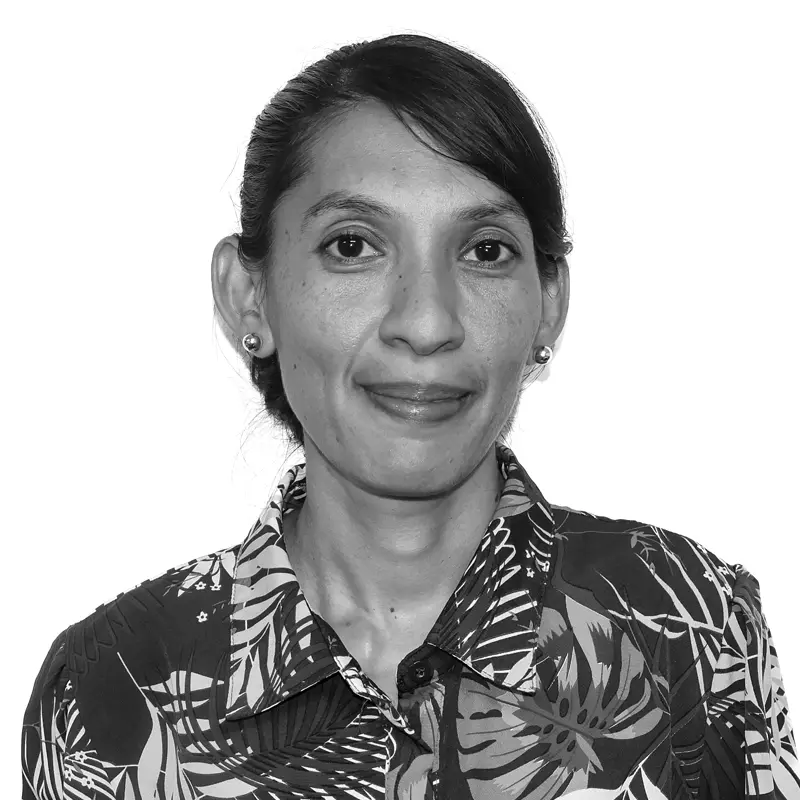
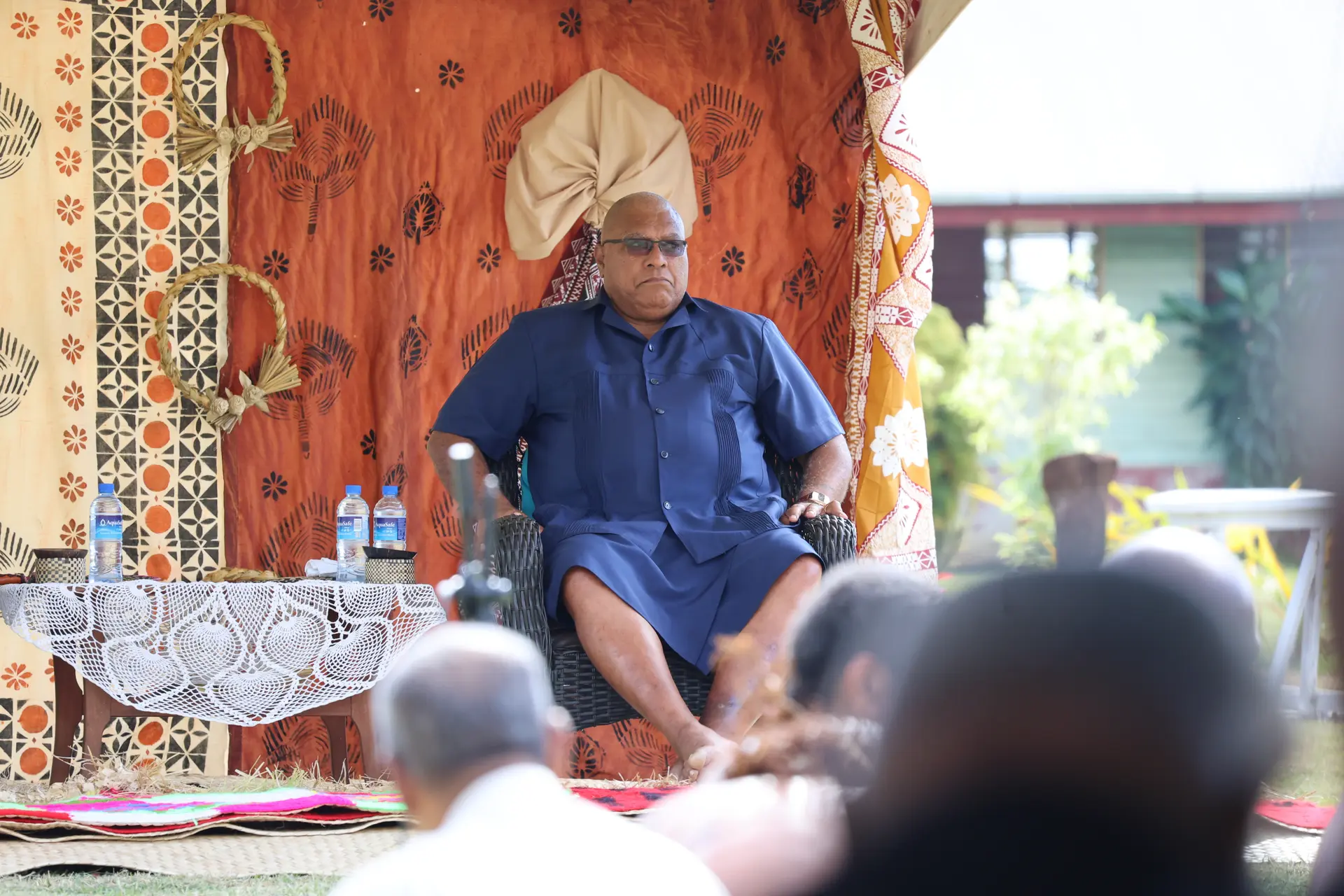
Traditional knowledge and existing community networks must be part of efforts to protect Fiji’s natural resources from climate change, pollution and development, says Tui Macuata Ratu Wiliame Katonivere.
Ratu Wiliame also urged journalists to take community climate stories to a wider audience, saying experiences from Macuata could help other provinces and communities strengthen their own responses.
Speaking at the 8th Pacific Media Summit at Wasawasa Hotel in Savusavu last week, he thanked the media for its coverage of Pre-COP31 and COP31, saying it was important to keep people informed about the region’s positions on key issues.
Related stories
“Over the years, we in Macuata have worked with the Fiji media to tell our stories, highlight what has worked and what can be improved and we freely share our stories in the hope that other provinces and communities may replicate or do better than what we do,” Ratu Wiliame said.
“And this is where I pivot to the Pre-COP, the region is preparing for this important annual event.
“Our representation as a region is important because we as Pacific people are the most affected by climate change.”
As a traditional leader, Ratu Wiliame said good custodianship was a collective responsibility.
The former President of Fiji said changing times and threats from climate change, pollution and development were putting the environment, livelihoods and identity at risk.
“The time for action is now and one of the ways we can take action is to share our stories and experiences,” he said.
In Macuata, sharing stories about the importance of qoliqolis, forests, wetlands, flora and fauna, and why they should be protected, had helped communities realise their value.
He cited the work of members of his province through the Qoliqoli Cokovata, who had consistently worked to have their traditional fishing grounds nominated as a Ramsar site.
“Our learning is that collaboration between resource owners, Government and environmental organisations was key to wetland conservation,” he said.
Another example was Macuata’s marine protected areas along the Great Sea Reef, one of the world’s longest continuous barrier reef systems.
Ratu Wiliame said traditional leaders should remind partners not to reinvent the wheel, but instead tap into existing community and traditional networks and knowledge.
“Our traditional approaches couple with new knowledge such as scientific evidence and practice will help address threats to our resources,” he said.
“The stories I am sharing with you are replicated in the 14 provinces throughout Fiji; it is the tip of the iceberg.”
As one of the guest speakers at the summit, Ratu Wiliame said indigenous people and local communities were integral to the conservation of forests, oceans, river systems, flora and fauna around the world.
“We are fortunate that our forefathers were wise custodians and they gifted the pristine environment that we enjoy today,” he said.
“They set a precedent for us and we owe it to our future generations to manage our environment and resource use in these areas.”
He urged Fiji’s media to help take these community stories to the world.