Corruption could weaken Pacific climate defences: UN expert
UNODC warns diverted climate finance could leave vulnerable communities less protected
Wednesday 26 August 2026 | 12:30
Updated 26 August 2026 | 13:48 FJT

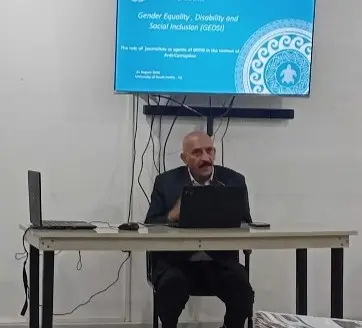
UNODC Gender Equality, Disability and Social Inclusion and Anti-Corruption Expert Pradeep Bagival.
Photo: Kritika Chand
Pacific climate funds must be protected from corruption, with a United Nations Office on Drugs and Crime expert warning that diverted money could weaken efforts to protect vulnerable communities from climate change.
UNODC Gender Equality, Disability and Social Inclusion and Anti-Corruption expert Pradeep Bagival said corruption could prevent climate finance from reaching adaptation and mitigation projects.
Speaking at a University of the South Pacific seminar, he said Pacific countries were already on the front line of climate change and could not afford to lose valuable resources through corruption.
Related stories
“If the finance gets diverted due to corruption, then we will not be able to have enough adaptation mitigation projects to reduce the impact of climate change,” Mr Bagival said.
He said weak oversight could also allow activities such as mining and logging to damage the environment and worsen climate impacts.
Mr Bagival also warned that corruption in disaster mitigation could weaken emergency responses and leave communities less protected.
“When corruption gets into areas such as disaster mitigation efforts, then we cannot expect mitigation efforts or responses to be very effective,” he said.
Mr Bagival said vulnerable groups, including women, persons with disabilities and older people, could be disproportionately affected when public resources were diverted.
He called on Pacific youth to take a greater role in monitoring public resources and demanding accountability.
With about 60 per cent of the Pacific population under 25, Mr Bagival said young people had an important role in ensuring climate funds were used transparently.
He urged governments to involve youth and civil society in decisions about climate finance and anti-corruption efforts.