Pacific Response Group key to stronger regional cooperation: RFMF Commander
Kalouniwai says working with regional defence partners gives Fiji greater capacity to respond to major challenges.
Wednesday 23 September 2026 | 12:00
Updated 23 September 2026 | 13:26 FJT

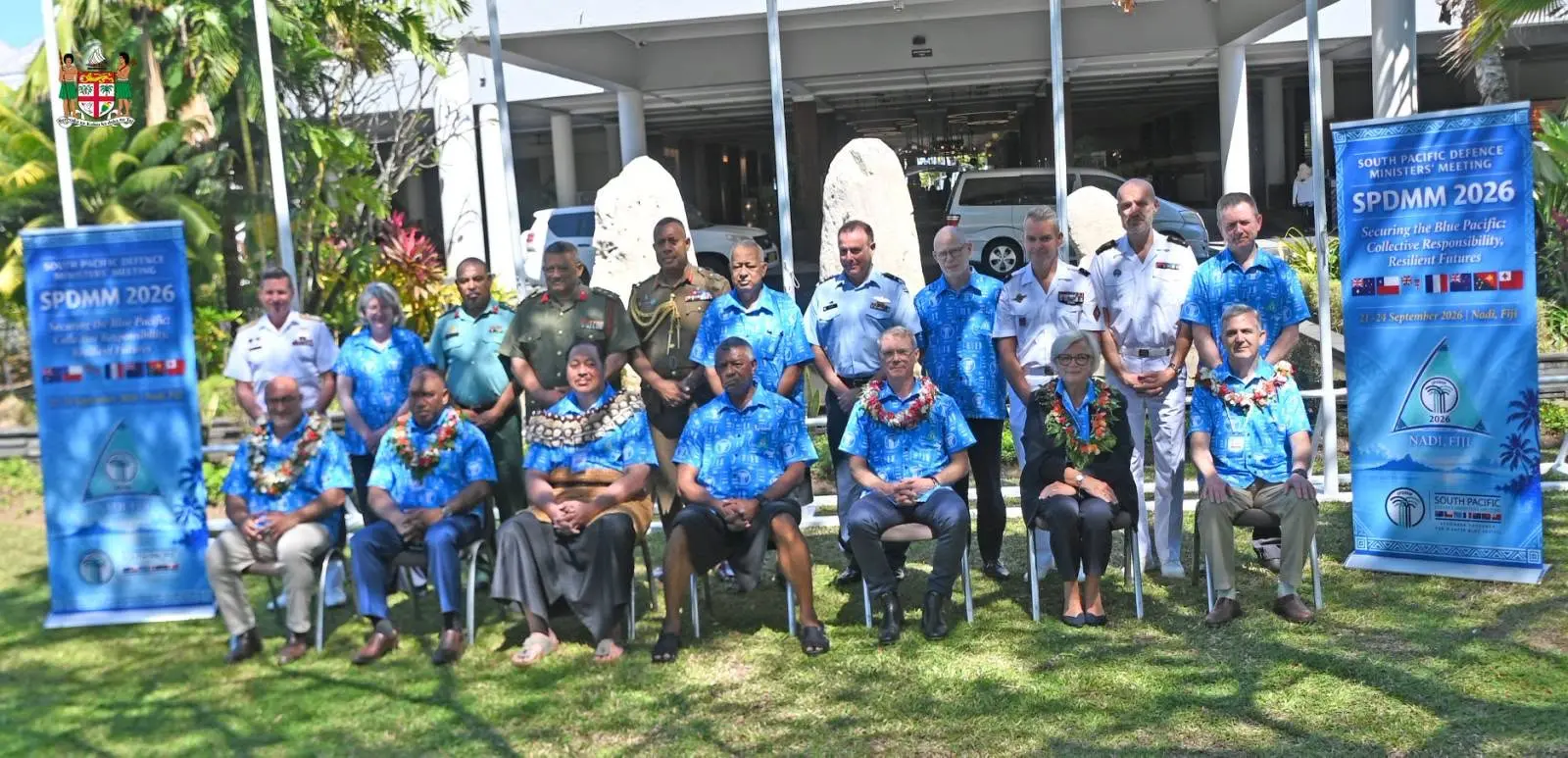
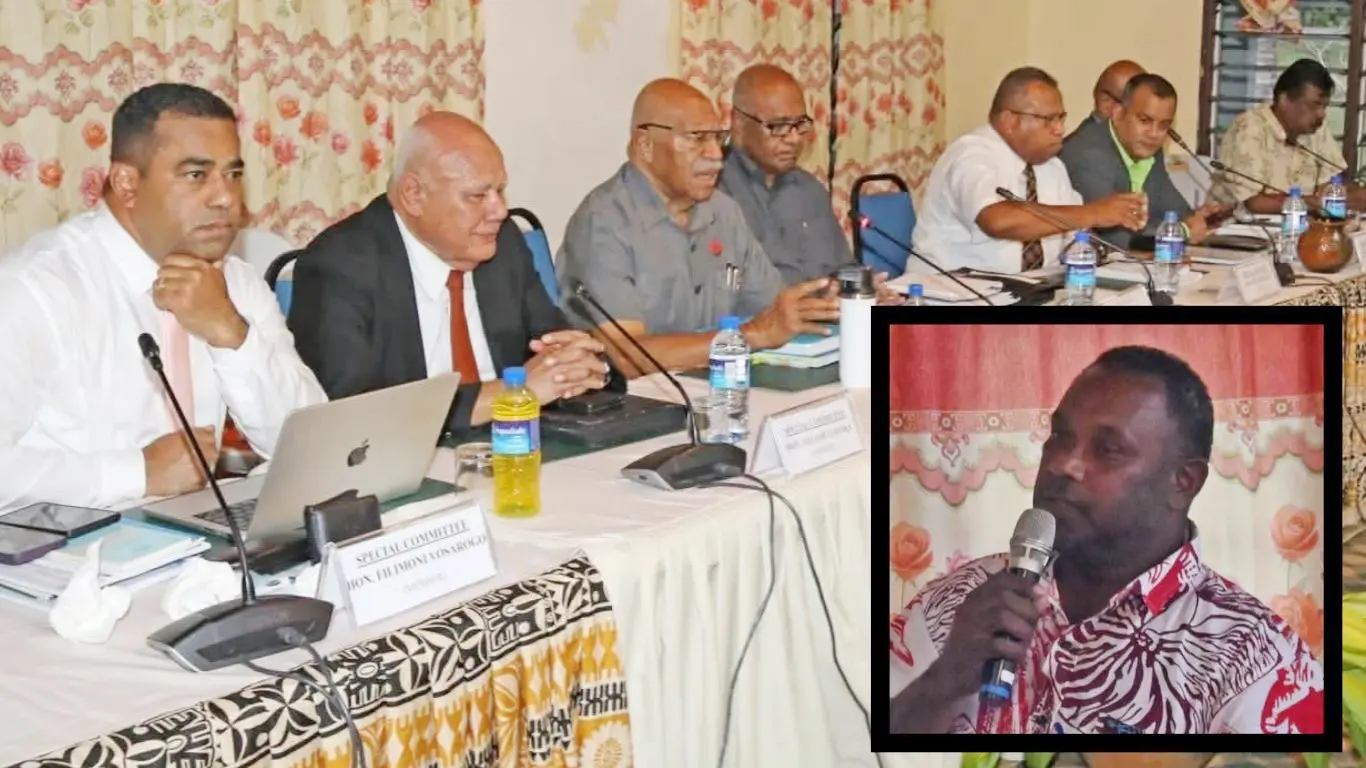
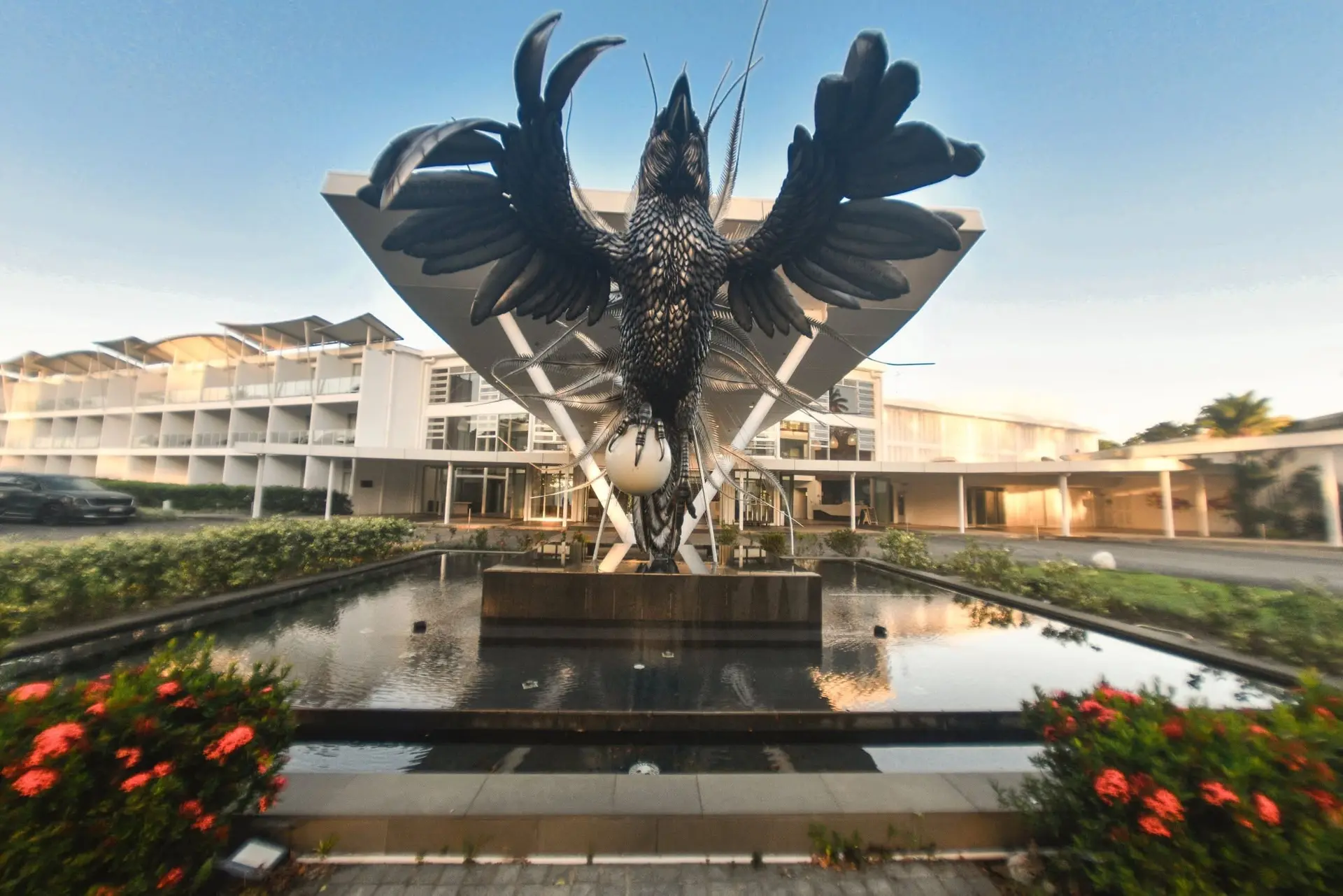
2026 South Pacific Defence Ministers’ Meeting (SPADMM) at the Sheraton Fiji Golf & Beach Resort in Denarau, Nadi.
Photo: Ministry of Defence and Veterans Affairs
Pacific nations have endorsed closer defence cooperation through the Pacific Response Group (PRG), strengthening the region's ability to respond collectively to natural disasters and transnational security threats.
The initiative was among the key outcomes discussed at the 2026 South Pacific Defence Ministers' Meeting (SPADMM) at the Sheraton Fiji Golf & Beach Resort in Denarau, Nadi yesterday.
Republic of Fiji Military Forces Commander Ro Jone Kalouniwai said the PRG was becoming an increasingly important platform for regional defence collaboration.
Related stories
"One of the key issues that have been discussed here is the Pacific Response Group," Ro Jone said.
He said the group strengthened defence ties among Pacific partners and improved their ability to work together during major crises.
"The PRG is important for the RFMF in terms of our defence relationship with the rest of our defence partners. It allows us to work together with them."
Ro Jone said the partnership had played a critical role in building regional capacity for humanitarian assistance and disaster relief operations, while also addressing other transnational challenges facing Pacific countries.
The SPADMM forum endorsed the continued development of the PRG, with the Pacific Islands Forum Secretariat also participating in discussions, a move expected to expand the group's regional reach and coordination.
The PRG currently comprises Fiji, Tonga, Papua New Guinea, New Zealand, Australia and France.
While Fiji maintained its own response capabilities, Ro Jone said regional cooperation was essential when dealing with large-scale emergencies and complex security issues.
"We can't do a lot of things, but with them, we can do a lot together," he said.
His comments highlight a growing recognition among Pacific nations that collective action is crucial as the region faces increasingly frequent natural disasters and evolving transnational threats.
Discussions on the future role of the PRG are expected to continue as Pacific countries work towards stronger preparedness, faster disaster response and greater regional security cooperation.
The SPADMM concludes tomorrow.