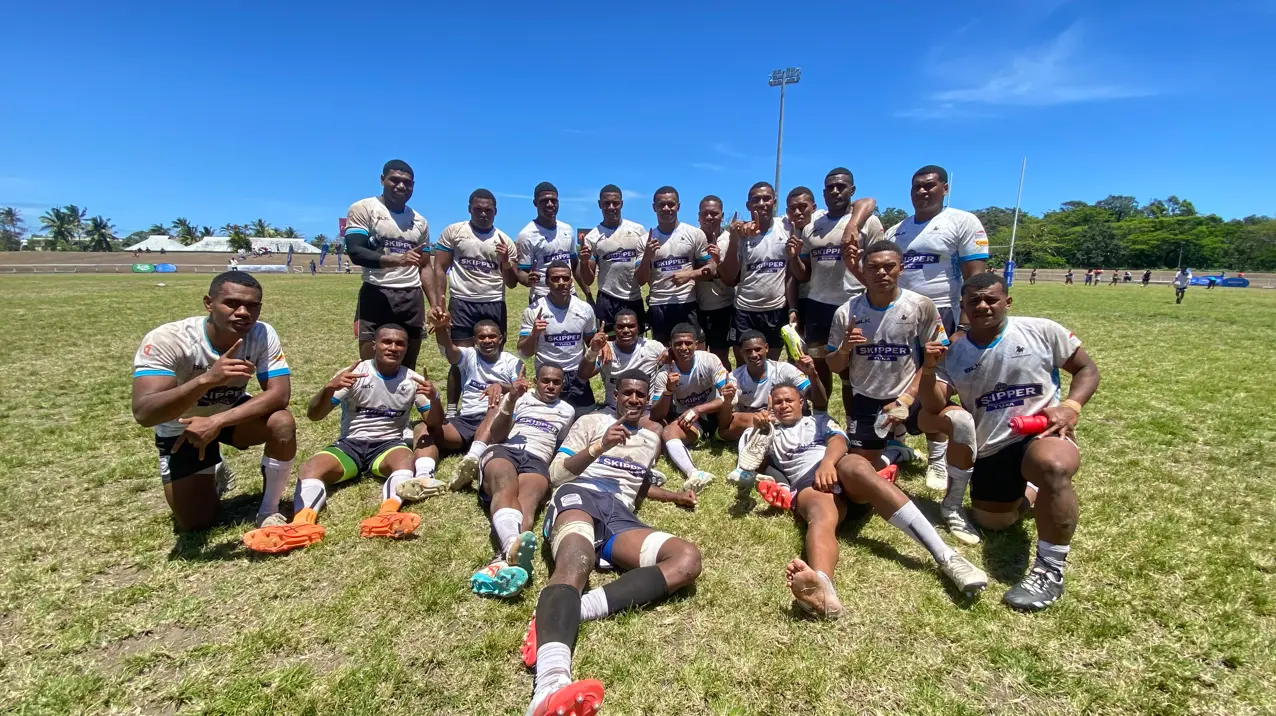
Sports bodies urged to strengthen HIV safety protocols
He said while they can’t stop competitions and boxing promotions from happening, sporting bodies can have their own policies to encourage for testing and treatment.
Saturday 03 October 2026 | 09:30
Updated 03 October 2026 | 11:11 FJT

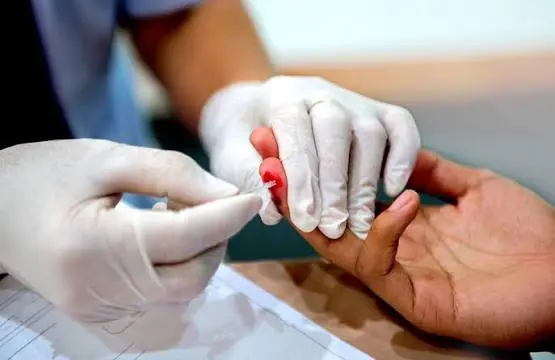
Fiji confronts a significant rise in HIV cases with 2016 new diagnosis recorded in 2025.
Photo: Aidsmap
Fiji’s human immunodeficiency virus (HIV) emergency is putting the spotlight on sport, with sporting organisations urged to strengthen safety protocols, particularly in contact sports such as boxing.
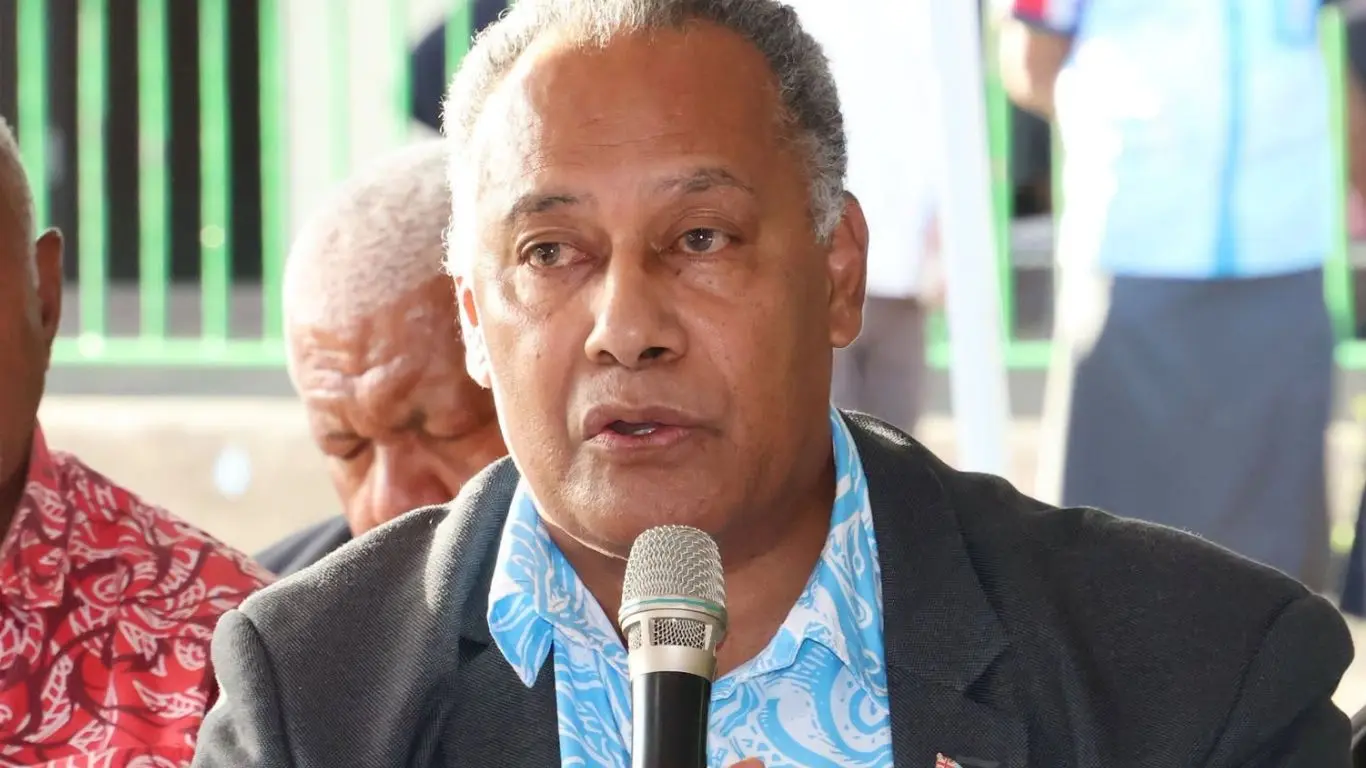
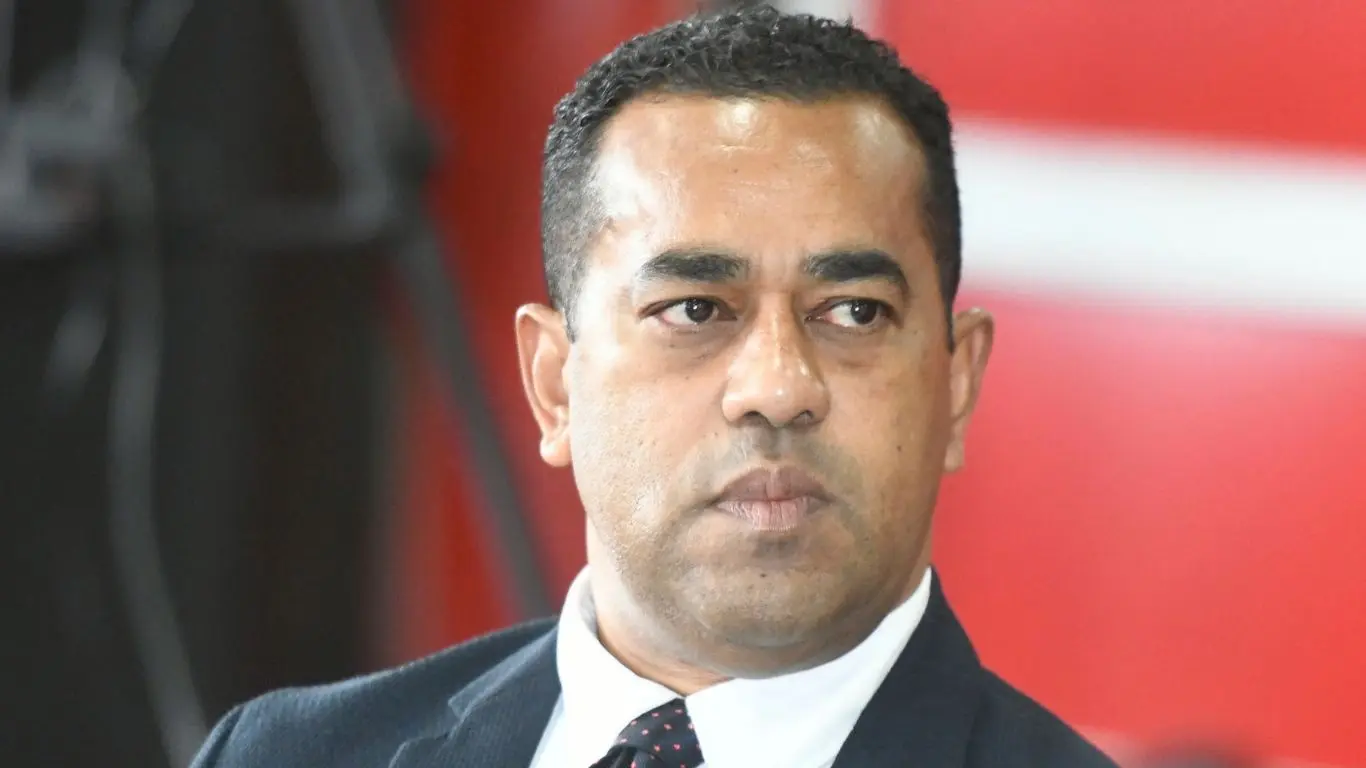
Assistant Minister for Health and Medical Services Penioni Ravunawa said universal precautions remained the general rule, particularly in sports where there was a greater risk of blood contact.
Universal precaution means treating all human blood and certain body fluids as if they are infected with HIV and other bloodborne pathogens, regardless of a person's known diagnosis.
Related stories
He said while they can’t stop competitions and boxing promotions from happening, sporting bodies can have their own policies to encourage for testing and treatment.
“That’s why they have sporting organisation, the boxing commission, that look after the sports and the athletes to see that they would develop their own guidelines and their own policy, operating procedures of how they roll out their sporting activities,” he said.
He said the ministry will be available to provide technical advice and support to the sporting bodies.
Sports Minister Jese Saukuru said the seriousness of the HIV situation meant athletes should be encouraged to know their status.
“To call it a HIV epidemic in Fiji, that's very serious. It's a serious issue that everyone must take a serious stand on,” he said.
He said testing should not be limited to contact sports, but extended across all sporting disciplines to protect athletes.
“I would love to see that for the safety and wellness of our athletes; they should go through that test.”
Saukuru said promotions for sports such as boxing should not be stopped because of HIV concerns, but testing organisations should be more proactive in reaching athletes across all sports.
The comments come as Fiji confronts a significant rise in HIV cases with 2016 new diagnosis recorded in 2025, prompting calls for a wider public-health response and a whole-of-society approach.
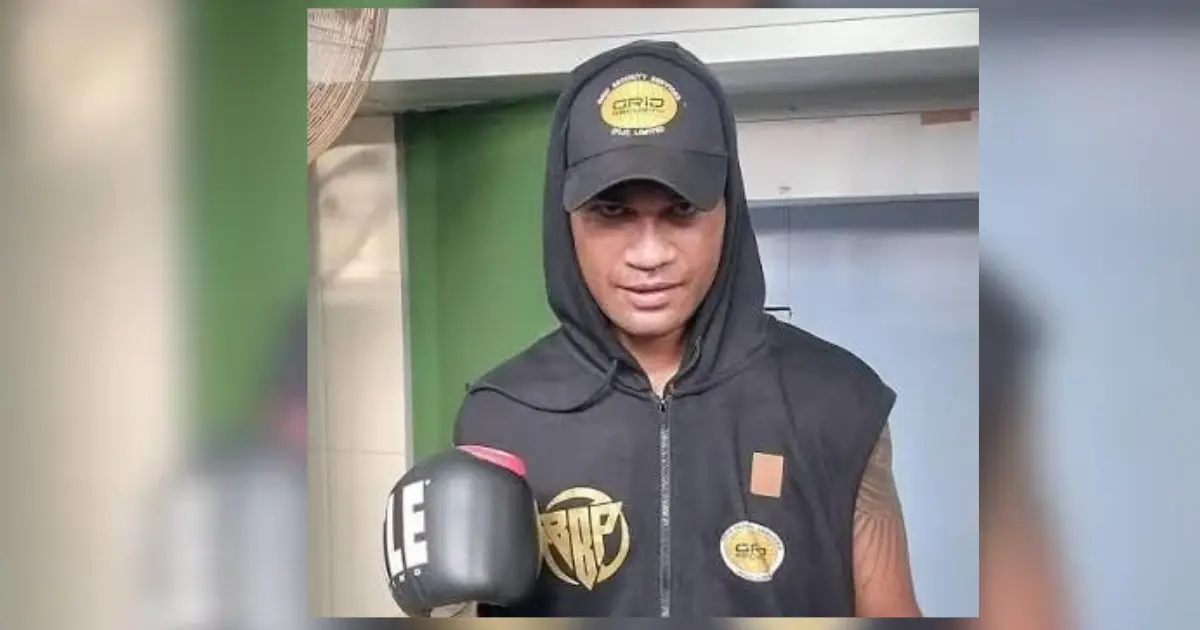
Also, there were concerns after some Fiji boxers recently failed Hepatitis A and Hepatitis B test in Australia and were stopped from participating.