Vuda marks 200 years of Christianity
Traditional leaders reflect on the decision by their forefathers to embrace Christianity and the legacy passed down through generations.
Monday 12 October 2026 | 16:30
Updated 12 October 2026 | 17:40 FJT

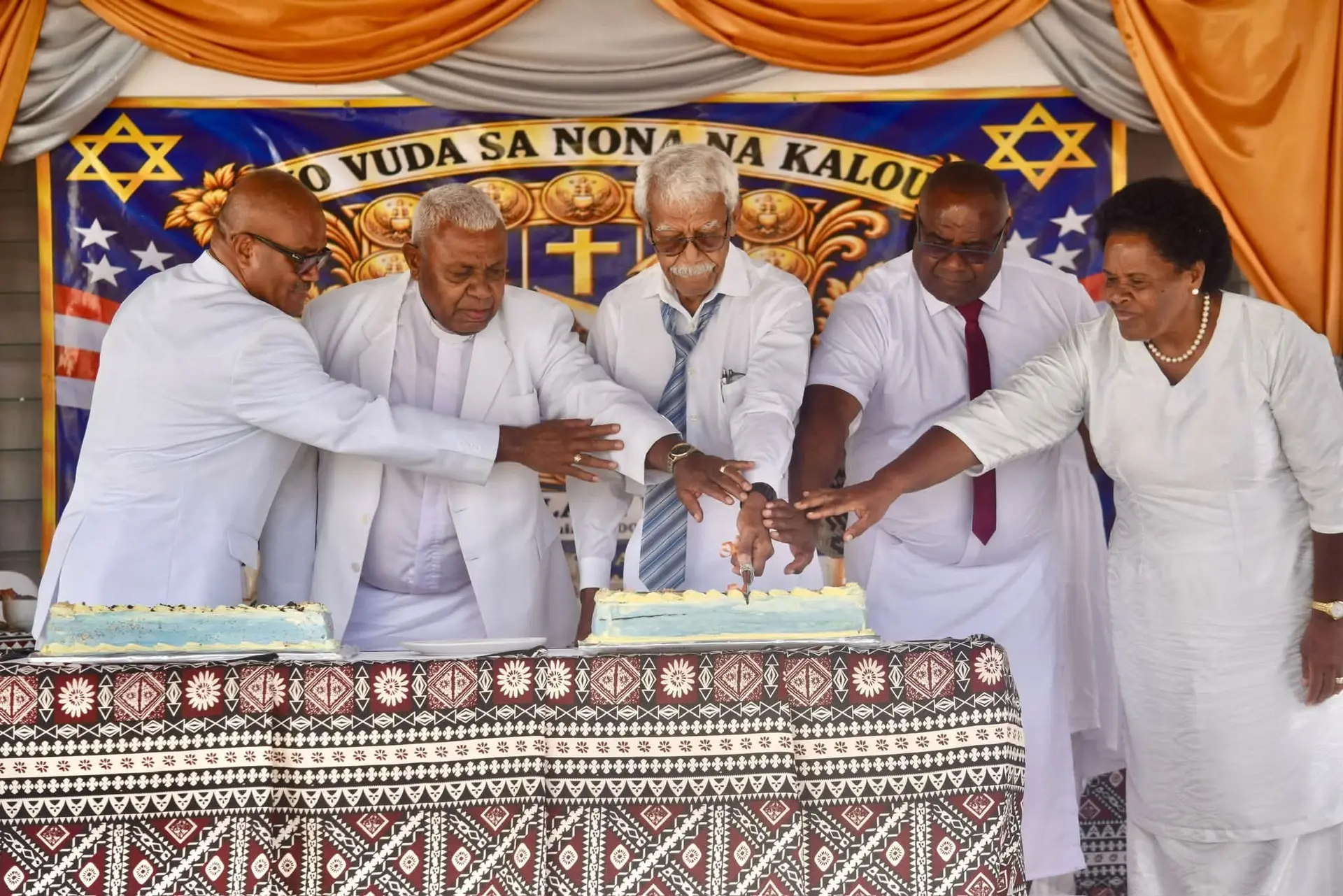
The vanua o Viseisei, Vuda, concluded its three-day celebration marking the 200th anniversary of the arrival of Christianity on October 10, 1826.
Photos: Supplied
Vuda’s traditional leaders say the decision by their forefathers to embrace Christianity 200 years ago has left a legacy that continues to shape their people, land and relationships across generations.
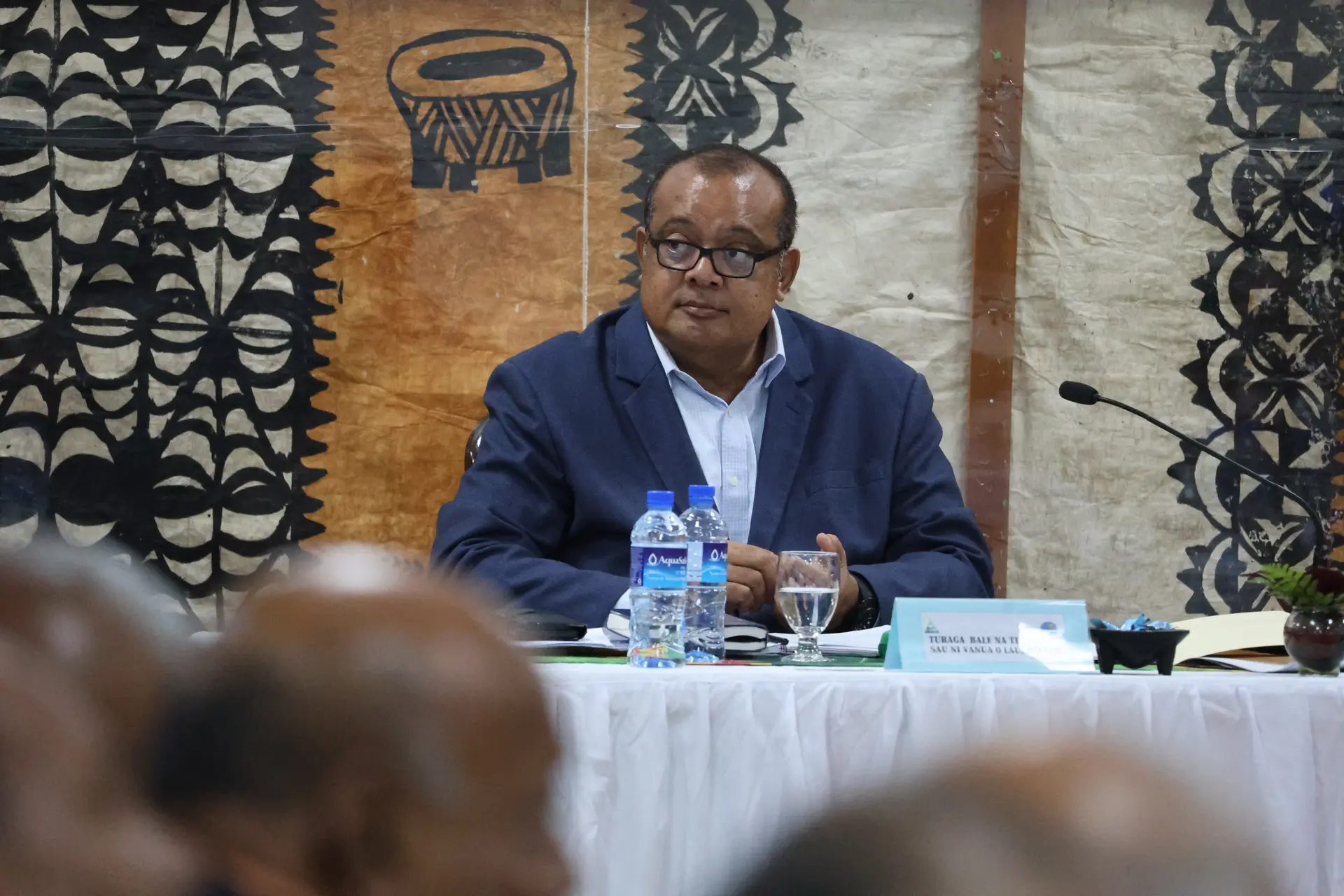
The message was shared by the Turaga na Taukei Nakelo of the Sauturaga, or kingmakers’ clan, Ratu Josaia Natakele, as Viseisei, Vuda, concluded its three-day celebration marking the 200th anniversary of the arrival of Christianity on October 10, 1826.
The celebration ended today with a traditional thanksgiving solevu, following a church thanksgiving service on Saturday, October 10, which coincided with Fiji Day. Those attending the service dressed in white to mark the occasion.
Related stories
Ratu Josaia said the anniversary was an opportunity to acknowledge the forefathers who accepted Christianity and reflect on the benefits their decision had brought to Vuda and the wider country.
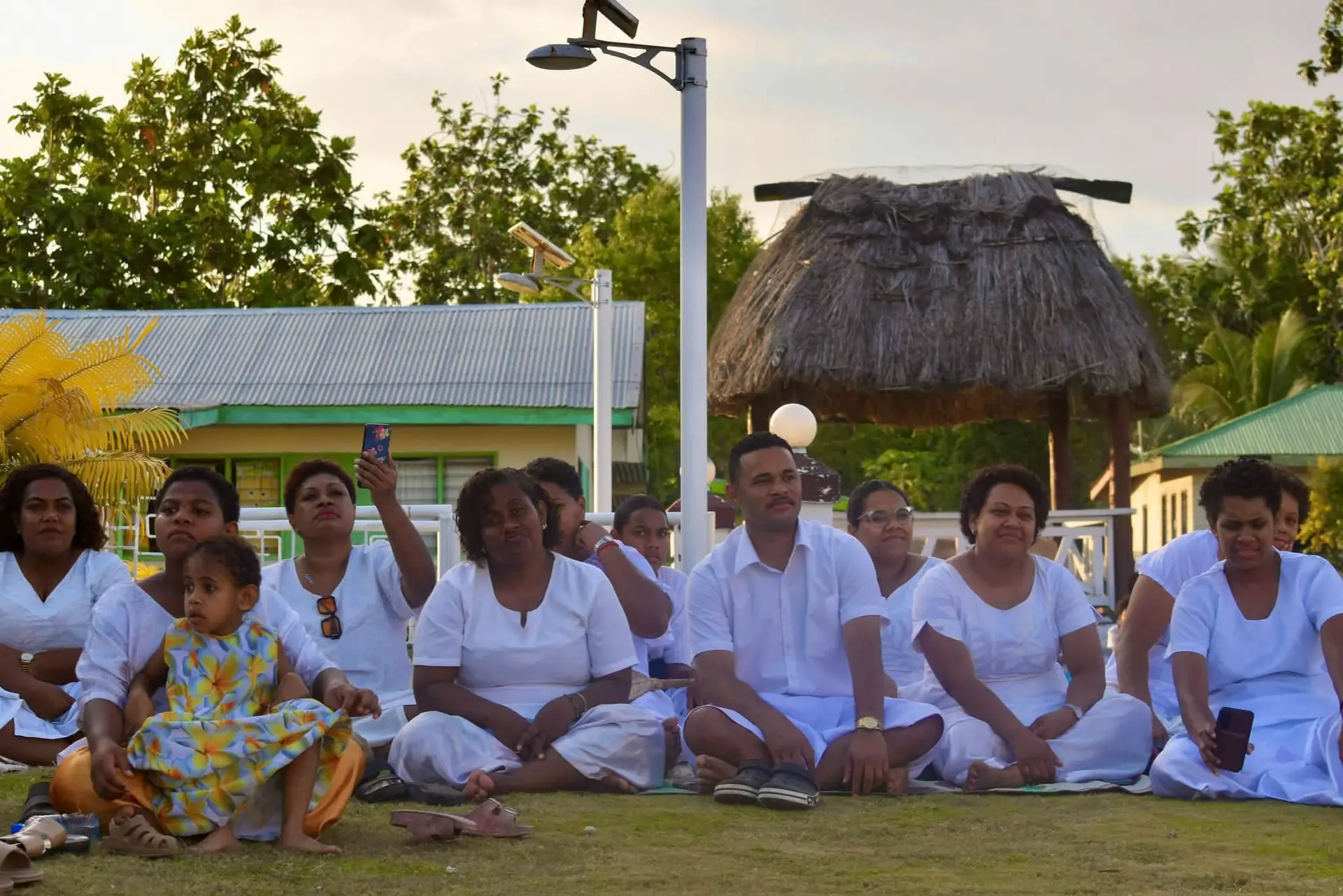
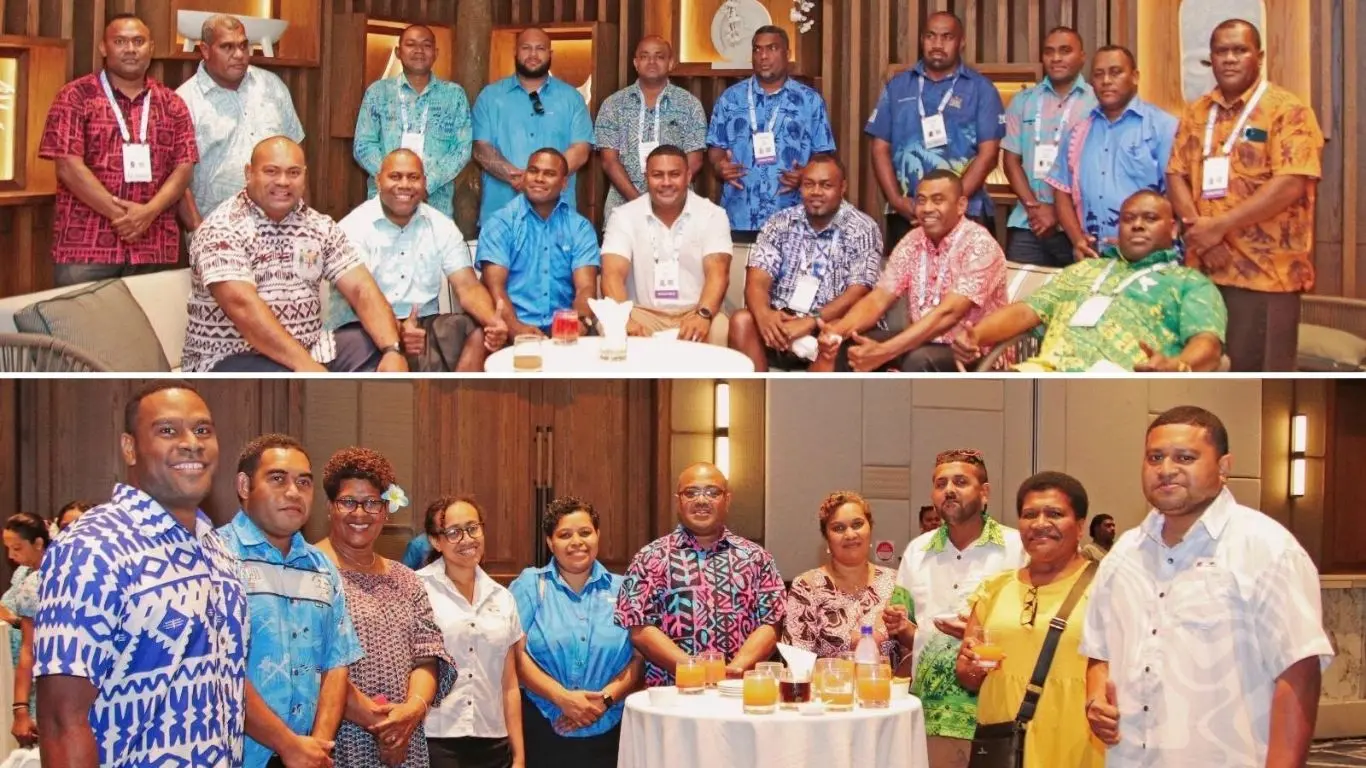
People attending the 200th anniversary of the first arrival of Christianity, held at Viseisei in Vuda, Lautoka.
“The effect of this light has benefited us, our land and our country. We thank God for providing us with the people who have gone before us to sow what we have reaped today,” he said.
He said Vuda had experienced business growth, while church leaders continued to uphold the Gospel introduced to their land two centuries ago.
Ratu Josaia also highlighted the contribution of people from the Vanua o Vuda to national leadership and professional service, including those who had served as president and prime minister, as well as government leaders, businesspeople, doctors, nurses and teachers.
“We are blessed because of the decision of our elders,” he said.
For Vuda’s traditional leaders, the anniversary was not simply a commemoration of a historical event, but also an opportunity to acknowledge the faith and relationships passed down through generations.
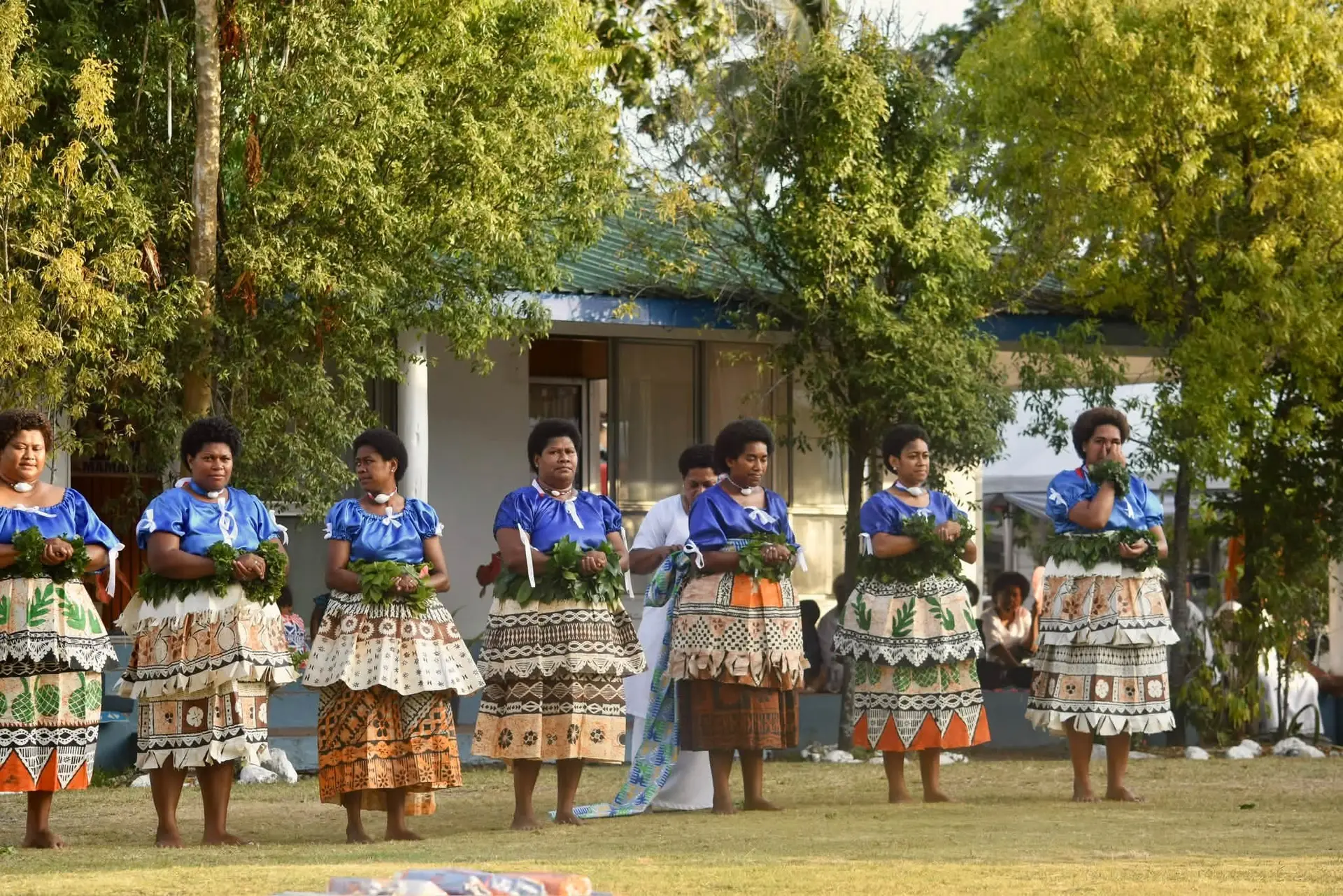
Women performing a meke (dance) during the 200th anniversary of the first arrival of Christianity, held at Viseisei in Vuda, Lautoka.
The celebration also highlighted the longstanding connection between Vuda and the highlands of Viti Levu, with the Turaga na Tui Nadrau, Napolioni Natadra, attending the anniversary for the first time.
Mr Natadra said he was grateful that the people of Nadrau had been invited to commemorate the arrival of Christianity in Viseisei.
He said the relationship between Nadrau and Vuda was rooted in events in 1826, when the Tui Nadrau of the time, Naqarikaulevu, travelled from the highlands to Vuda to receive Christianity alongside the Tui Vuda.
According to history passed down through generations, the Nadrau chief returned to the highlands carrying a Bible and a button from a missionary’s coat.
Mr Natadra said the items represented an important part of the traditional and spiritual connection between the two communities.

People in attendance sing a number during the 200th anniversary of the first arrival of Christianity, held at Viseisei in Vuda, Lautoka.
He said the decision made by their forefathers had helped Christianity spread from Vuda into Fiji’s interior and highlands.
“The decision of our elders back then to receive Christianity led to the light being brought into the interior and the highlands of Fiji,” he said.
Mr Natadra said the anniversary was an opportunity for the people of Nadrau to remember their ancestors and acknowledge the legacy of their decision.
He recalled the words associated with that historic moment: “Na rarama, na rarama sa yaco mai” — the light, the light has come.
Two centuries later, the anniversary brought together faith, traditional leadership and historical ties, reminding the people of Vuda and Nadrau of a shared past that continues to shape their communities.