Free prosthetic limbs restore confidence for North students
Darshani Sami and Shauravi Pari Kumar were among 150 beneficiaries in the Northern Division receiving free prosthetic limbs through an India-funded programme.
Tuesday 27 October 2026 | 17:00
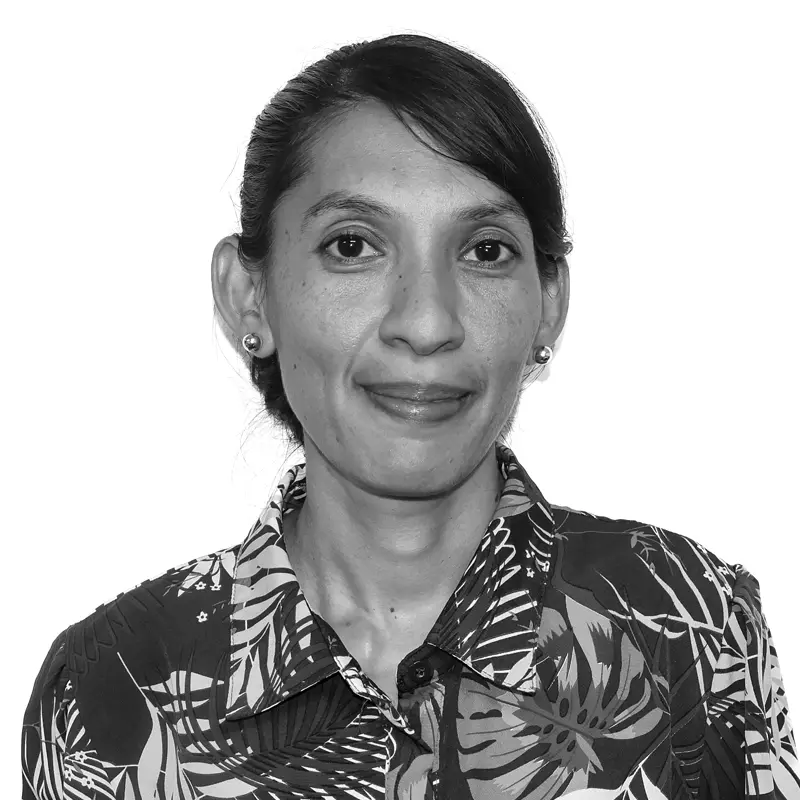
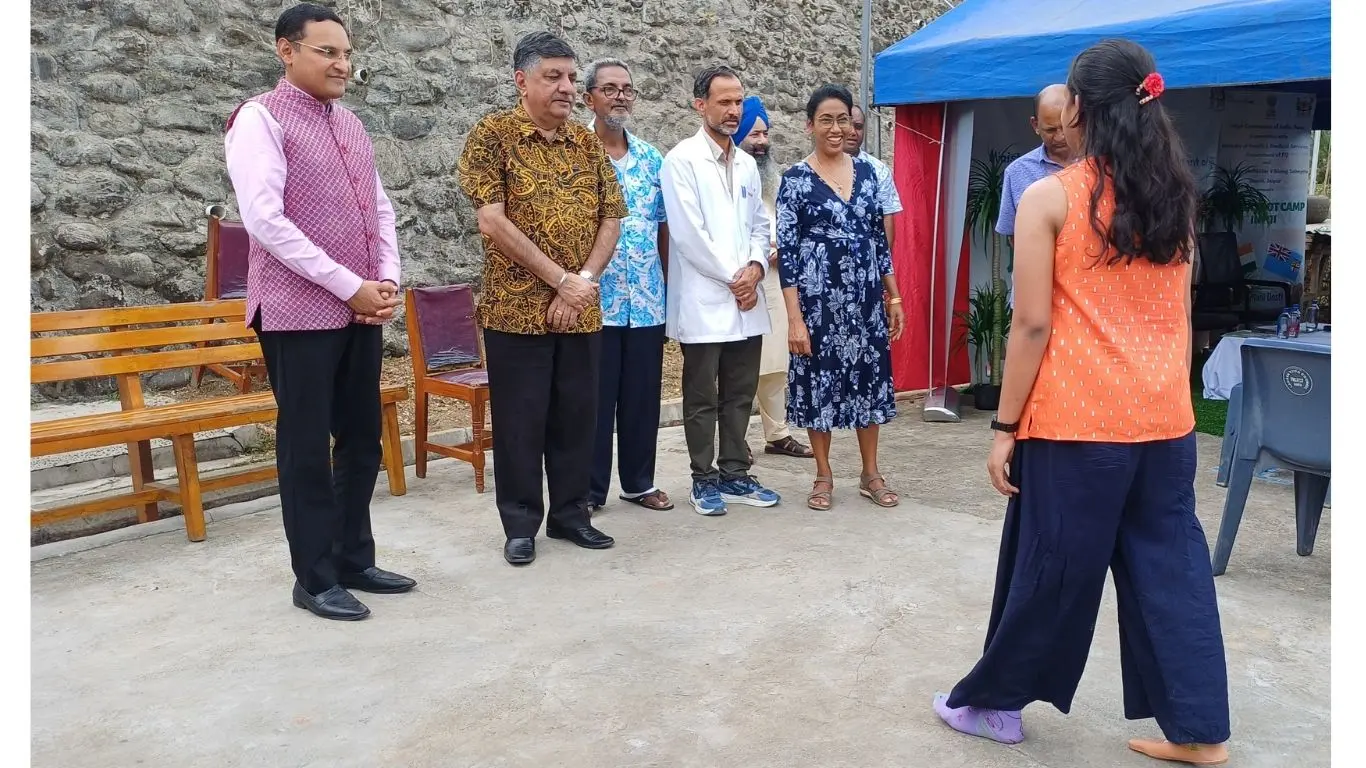
Shauravi Kumar took a walk after receiving limb during the Jaipur foot camp in Labasa on October 27, 2026.
Photo: Shratika Naidu
Two students born with a shorter right leg have received free prosthetic limbs at the Jaipur foot camp in Labasa, giving them greater confidence and mobility.
Darshani Sami, 20, a University of the South Pacific student from Siberia, Labasa, and Shauravi Pari Kumar, 13, a Year Seven student at Qalitu District School in Savusavu, were among 150 beneficiaries in the Northern Division.
The camp is fully funded by the Government of India.
Related stories
The one-week camp began last Sunday at the National Council for Persons with Disabilities Centre in Labasa, where a seven-member team from India’s Bhagwan Mahaveer Viklang Sahayata Samiti (BMVSS) is helping people receive prosthetic limbs free of charge.
Both students delivered thanksgiving speeches in front of the chief guests: Minister for Multi-Ethnic Affairs Charan Jeath Singh, Indian High Commissioner to Fiji Suneet Mehta and Divisional Medical Officer Northern Dr Tiko Saumalua.
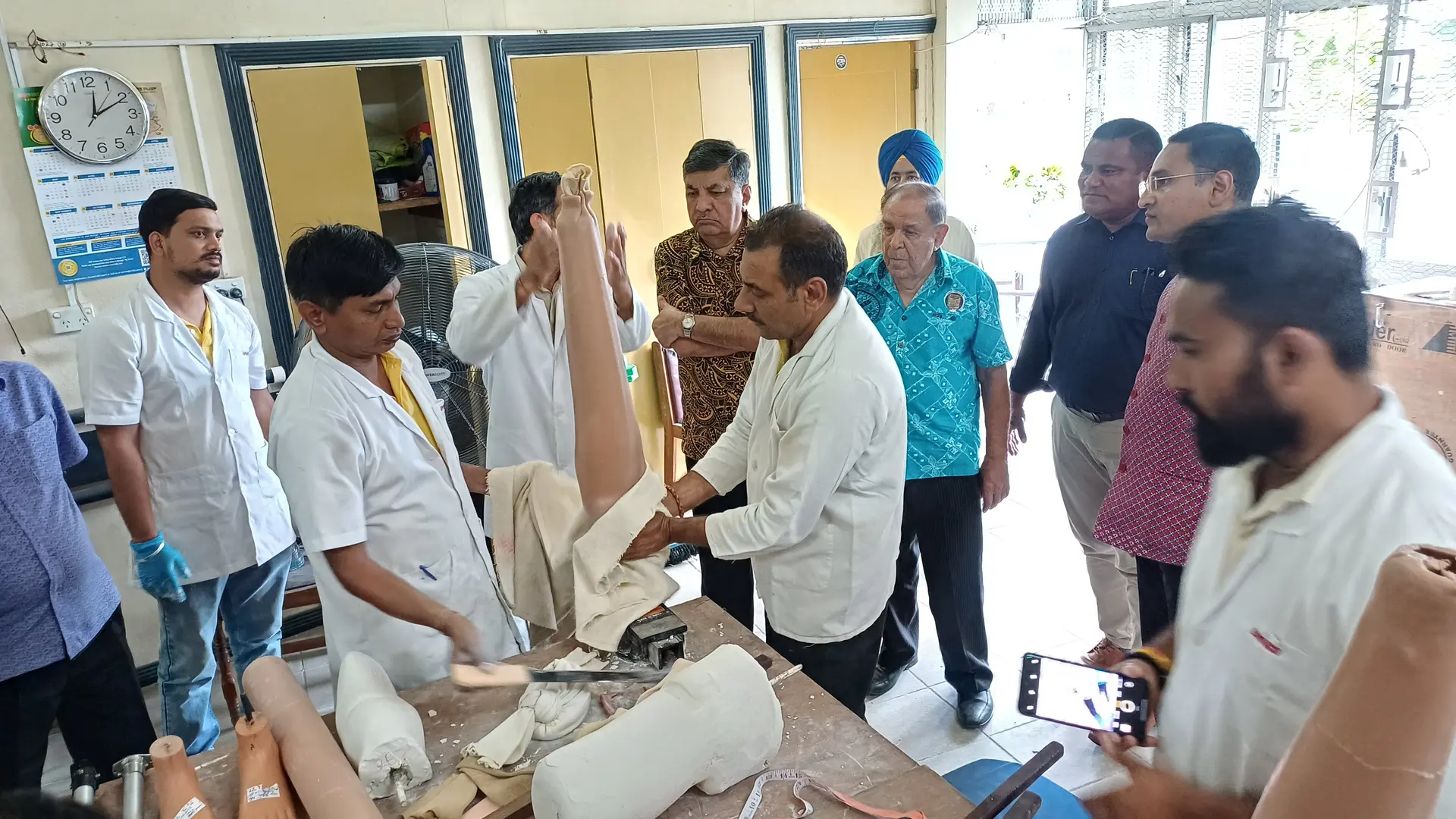
Jaipur foot camp team in Labasa on October 27, 2026.
Photo: Shratika Naidu
A new lease on mobility
Ms Kumar said she realised she had one shorter leg when she was three years old.
“My parents since then struggled and made every effort to help me live a normal life,” she said.
“I want to thank the Fiji Government, Indian Government, Ministry of Health and Medical Services for helping young people like me.”
Her mother, Ravina Devi, of Belego, Savusavu, said they travelled two hours to help Ms Kumar receive her prosthetic limb in Labasa.
“Now she can go to school without fear,” she said.
Ms Sami said she was born with one leg shorter than the other and, with her parents’ support, had been able to face each day like anyone else.
“Walking was a challenge for me every day. However, receiving an artificial leg has given me an opportunity to move around with confidence,” she said.
“I urge Government and organisations to work together and help people with mobility aid.”
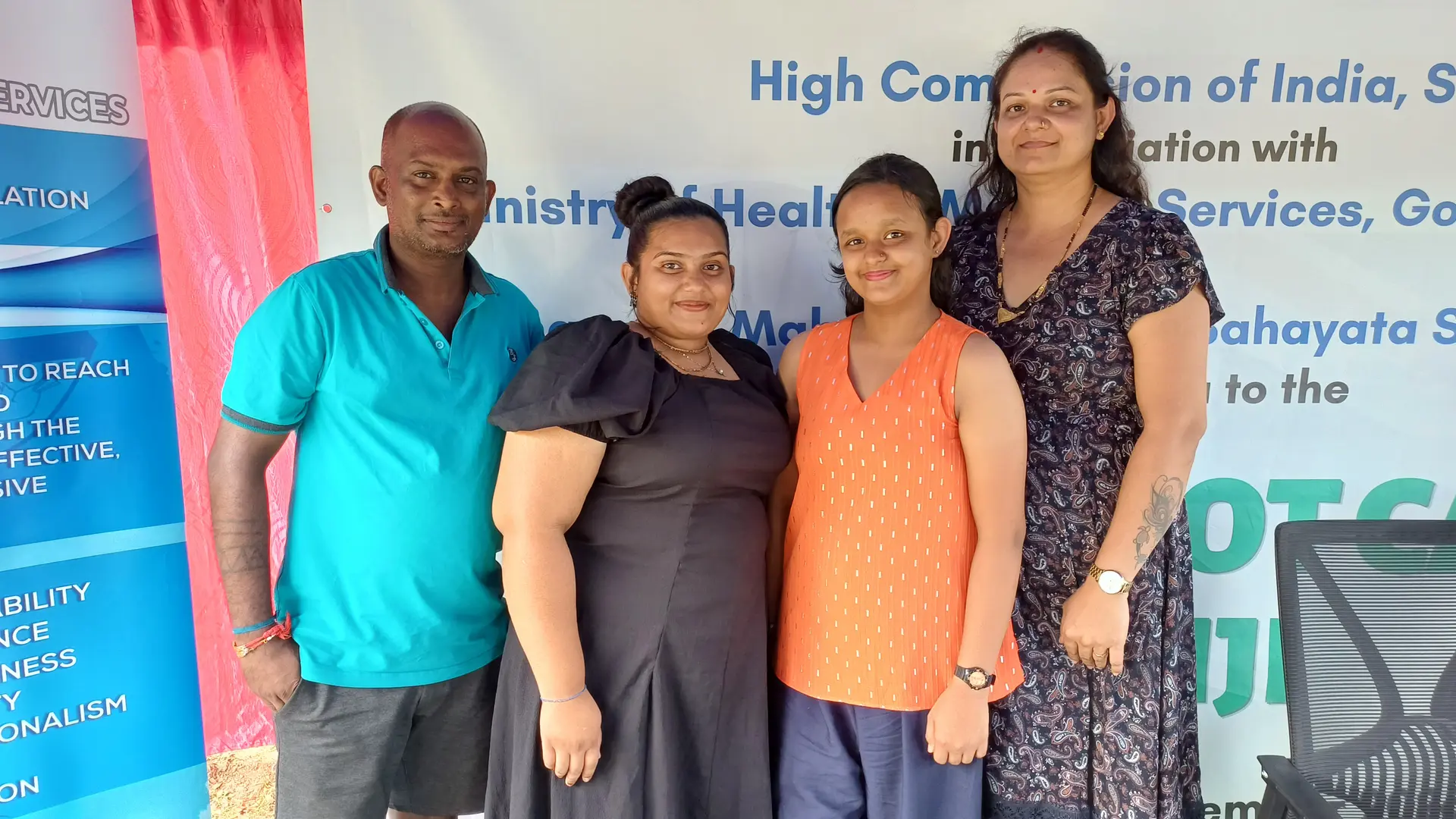
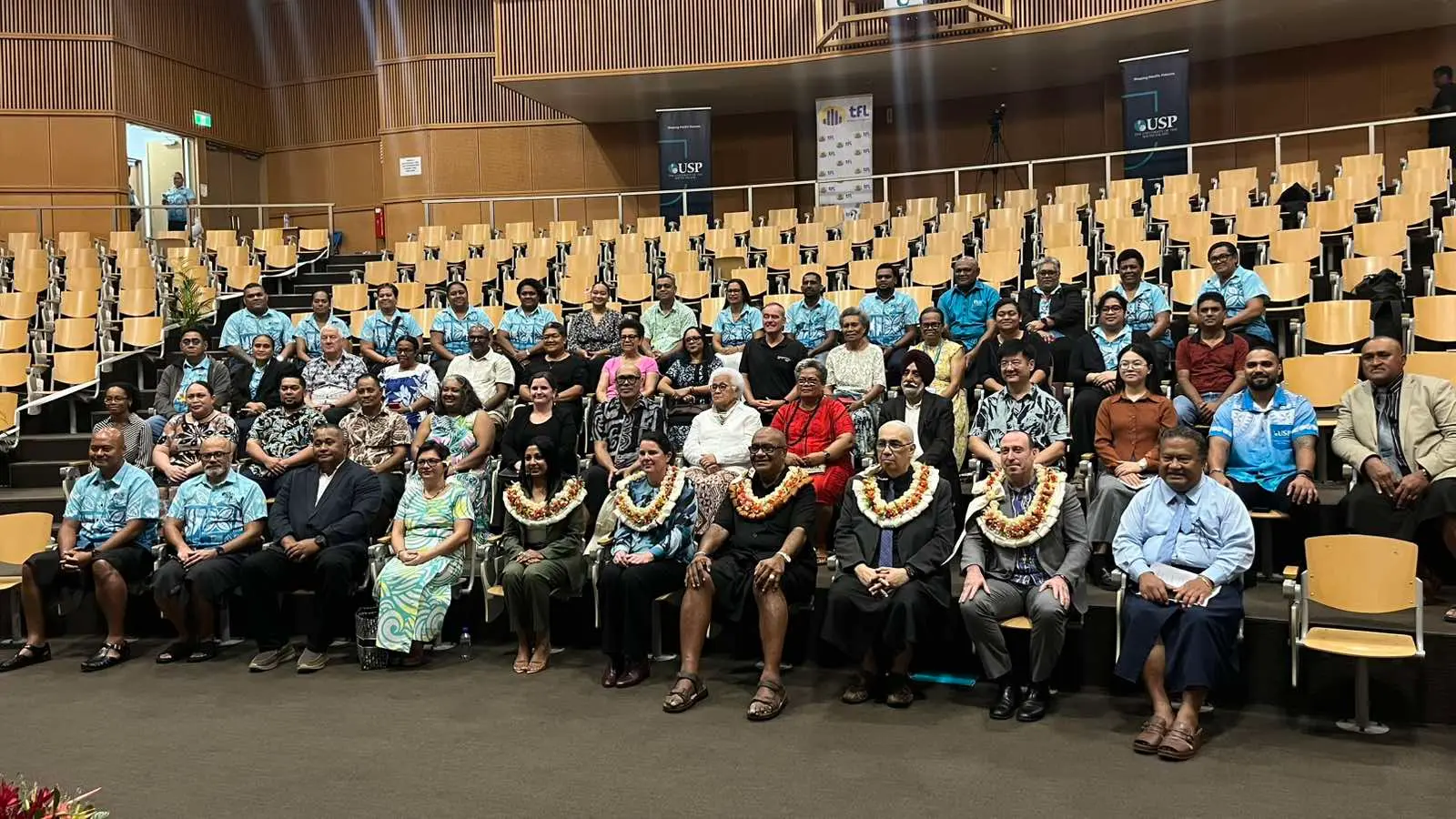
From left: Davendra Sami with his daughter, Darshani Sami and Shauravi Kumar with her mother, Ravina Devi after receiving limb at Jaipur foot camp in Labasa on October 27, 2026.
Photo: Shratika Naidu
Leaving no one behind
Mr Singh said the programme aimed to provide customised prosthetic limbs free of charge to about 650 amputees across Fiji through camps in Suva, Labasa and Nadi this year.
“The first phase camp in Suva assisted 239 amputees, including 10 beneficiaries who received two prosthetic limbs each,” Mr Singh said.
“Behind every number is a person, a family and a story of resilience.”
He said the assistance could help some beneficiaries walk independently again, while others could return to work, pursue education or enjoy greater freedom in their daily lives.
“I am delighted that this important initiative has now reached Labasa, ensuring that our people in the North also have access to this life-changing assistance,” he said.
“This reflects an important principle of inclusive development: no Fijian should be left behind because of disability, geographical location or economic circumstances.”
Benefits for the health sector
Dr Saumalua said the programme aligned with Fiji’s National Development Plan and its commitment to Universal Health Coverage, which aims to ensure people have access to quality health services without financial hardship.
“This Jaipur foot camp is a practical example of leaving no one behind by making rehabilitation and assistive technology services accessible to those who need them most, particularly rural, remote and maritime communities,” Dr Saumalua said.
“Rehabilitation is about much more than mobility; it is about restoring dignity, confidence, economic independence and hope.”
He said rehabilitation services and access to appropriate prosthetic devices could help people return to work, care for their families, participate in community life and regain a sense of purpose and self-worth.
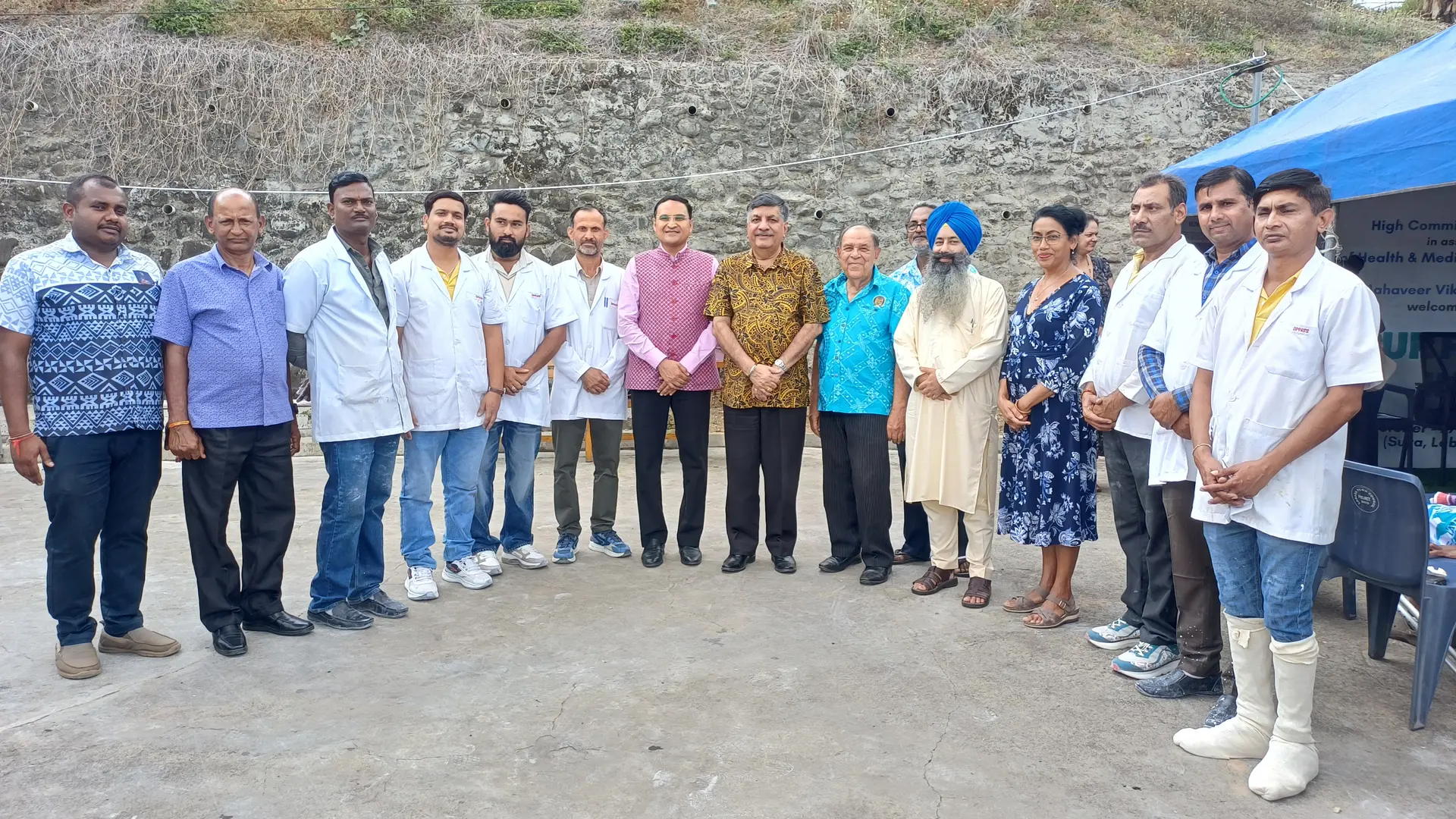
Minister for Multi-Ethnic Affairs Charan Jeath Singh and Indian High Commissioner to Fiji Suneet Mehta (middle) with the invited guests and Jaipur foot camp team in Labasa on October 27, 2026.
Photo: Shratika Naidu
India-Fiji cooperation
Mr Mehta thanked BMVSS and its team for their work in advancing the humanitarian initiative in Fiji.
“The previous Jaipur foot camp was held in Fiji in 2011, when around 300 amputees received artificial limbs,” he said.
“In 2022, the programme returned on a much larger scale, with 629 limbs fitted across Fiji, and now we are in Labasa.”
He said the camp brought together Indian expertise, Fijian needs and medical professionals from both countries.
The team will be in Fiji for 55 days. The programme began on October 6.
Mr Mehta said health had been an important area of India-Fiji cooperation for many years, and the Jaipur foot camp was part of this broader engagement.