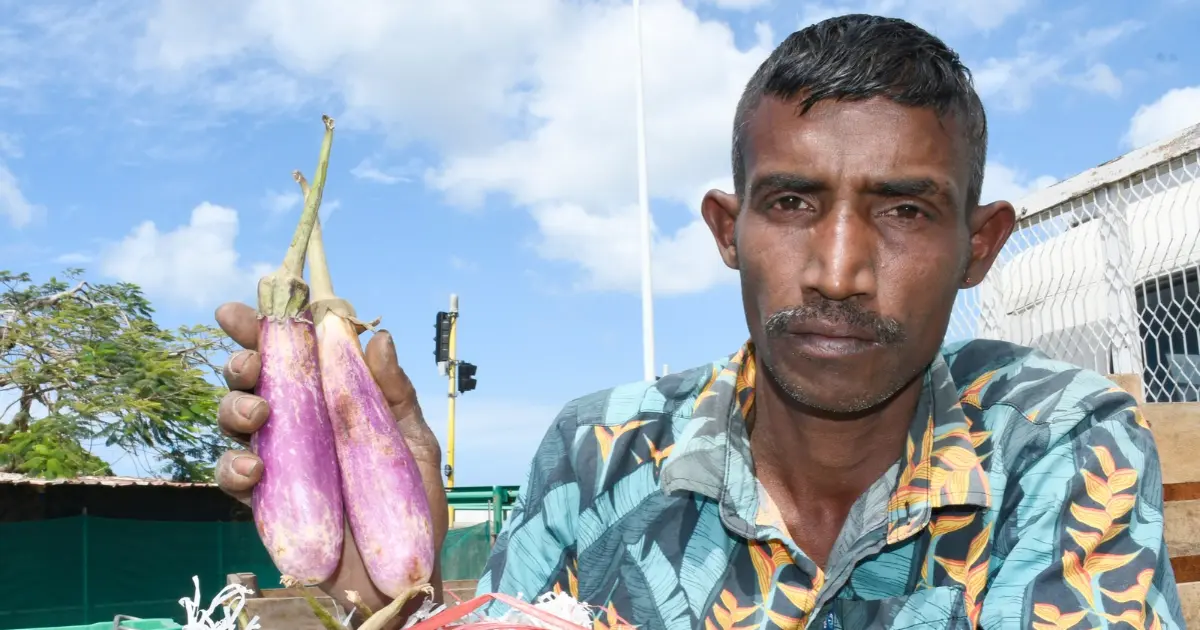
Cyclone, cyber attack could cripple Fiji’s telecom network, warns Telecom chief
About 71 per cent of Fiji’s telecommunications sites rely on the electricity grid, with batteries providing only three to four hours of backup power.
Friday 30 October 2026 | 10:30
Updated 30 October 2026 | 11:38 FJT

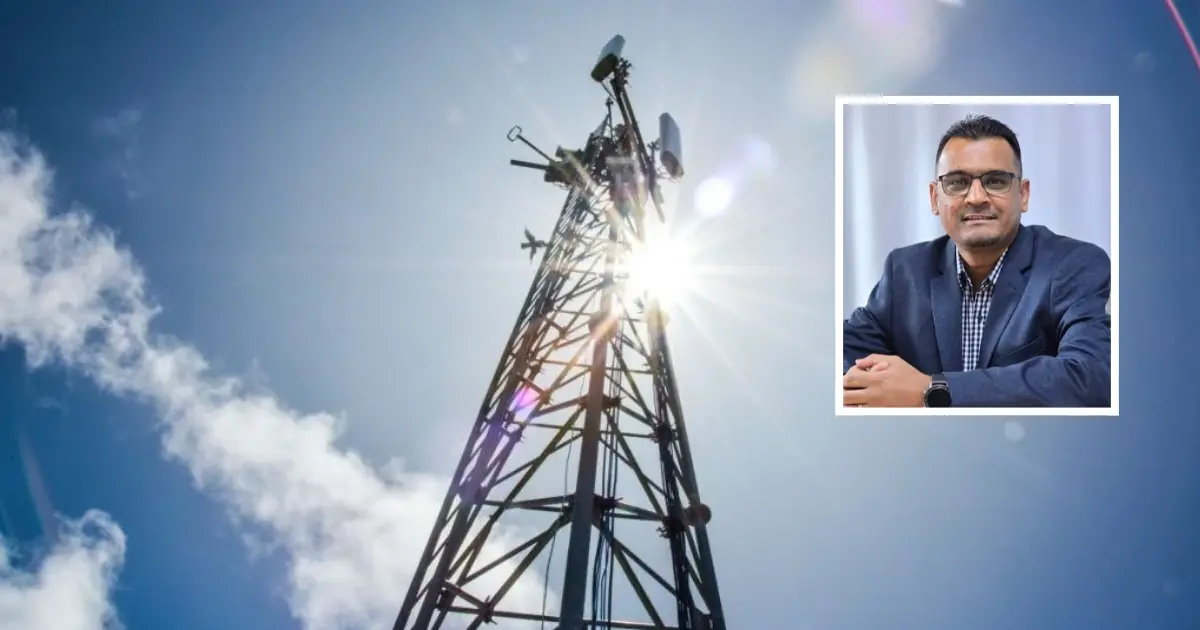
Phone Network Tower. Inset: Telecommunications Authority of Fiji (TAF) chief executive officer Prit Chand
A cyclone striking Fiji at the same time as a cyber attack could create a "horribly complex situation" for the country's telecommunications network, Telecommunications Authority of Fiji chief executive officer Prit Chand has warned.
Speaking at the National Cybersecurity and Resilience Convention in Suva on Wednesday, Mr Chand said the resilience of Fiji's telecommunications infrastructure remained a concern, particularly during prolonged power outages and natural disasters.
He revealed that about 71 per cent of telecommunications sites across the country relied solely on the electricity grid, supported by batteries that generally lasted only three to four hours if power was lost.
Related stories
"A tower surviving a cyclone does not necessarily mean that telecommunications services will remain available," Mr Chand said.
He said a major cyclone combined with a cyber incident could significantly disrupt communications and emergency response efforts, making an already challenging situation far more difficult to manage.
Mr Chand also highlighted that about 10 per cent of telecommunications sites had a lower resilience rating, placing them at greater risk during disasters.
To improve network reliability, he said phase two of the Universal Service Programme would see the construction of 104 new telecommunications sites, all powered entirely by solar energy.
Mr Chand called for a national exercise simulating a major power failure or communications outage to test the country's preparedness and response capabilities.
Meanwhile, Fiji Computer Emergency Response Team (CERT) director Catherine Subhaydas said Fiji had so far avoided a large-scale cyber attack targeting critical services.
However, she warned that phishing and malware remained the most common cybersecurity threats facing organisations and government agencies.
"The potential consequences of such attacks could be significant," Ms Subhaydas said.
She noted that many successful cyber attacks exploited vulnerabilities that organisations had failed to patch despite known risks.
Ms Subhaydas also highlighted ongoing challenges facing Fiji and other Pacific island nations, including shortages of skilled cybersecurity professionals, limited forensic capabilities and resource constraints.
CyberCX representative Diego Silva said the number of publicly claimed extortion victims across the Pacific had increased every year from 2023 to 2026.
He cautioned that the relatively low number of reported cases in Pacific island countries should not be interpreted as a lower level of threat, warning that the region remained vulnerable to increasingly sophisticated cyber criminals.