Women-led bakery brings fresh bread and new hope to Serua
The district's first bakery is reducing travel costs while creating income and leadership opportunities for local women.
Saturday 03 October 2026 | 12:00
Updated 23 October 2026 | 15:34 FJT

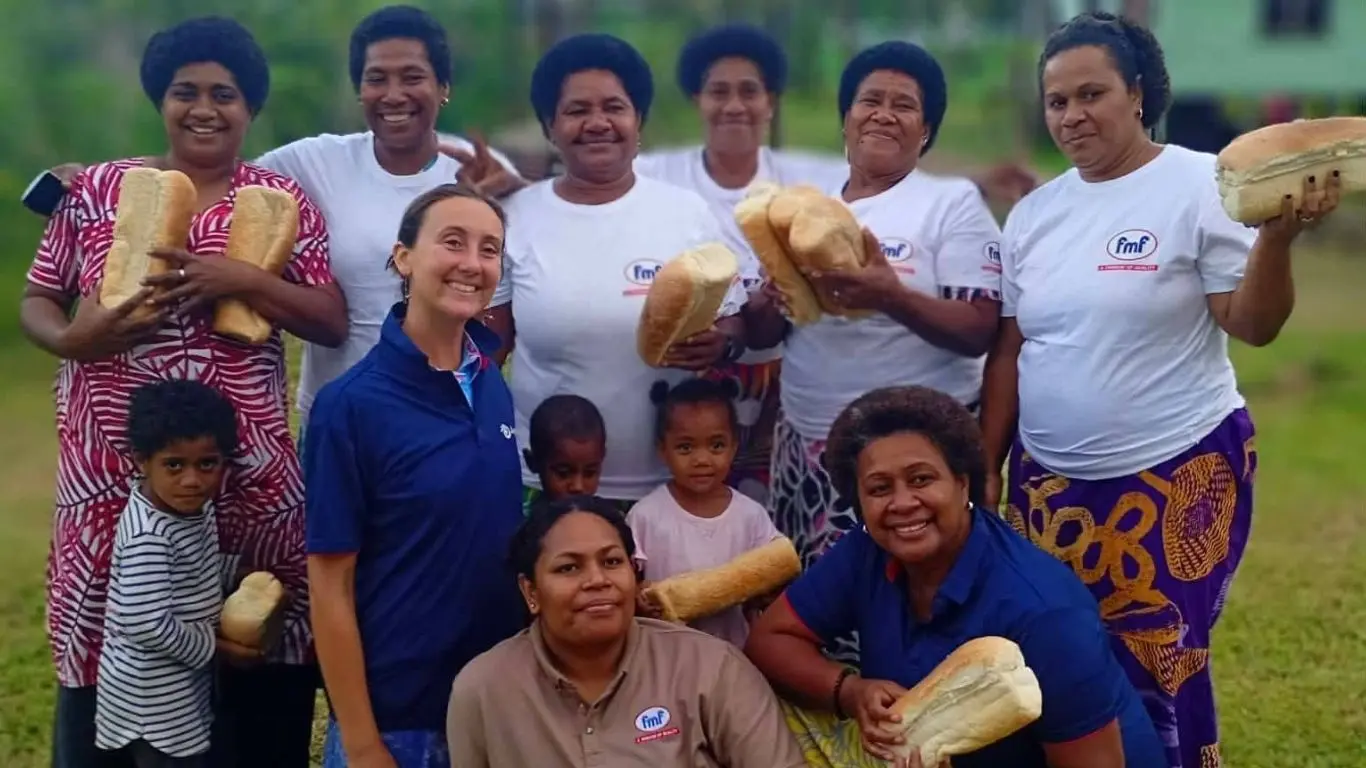
A women-led cooperative bakery has transformed access to fresh bread and created new economic opportunities for families in a remote district of Serua,
A women-led cooperative bakery has transformed access to fresh bread and created new economic opportunities for families in a remote district of Serua, ending years of reliance on costly trips to town for basic food supplies.
The bakery, which opened in September, is the first of its kind in the district and is managed by a local women's group with support from Peace Corps Volunteer Dashell.
The project was made possible through government funding approved for the 2026 fiscal year.
Related stories
For years, women in the district baked bread using firewood and a small homemade setup that produced only a limited number of loaves each day. The process involved collecting firewood, lighting traditional ovens and working for hours in smoky conditions.
Recognising the challenges, the women approached Dashell with plans to revive and expand their bakery operations.
Working closely with the group, Dashell helped prepare a detailed proposal that included a business plan, financial projections and a monitoring and evaluation framework. The proposal was submitted through provincial authorities and later approved for funding.
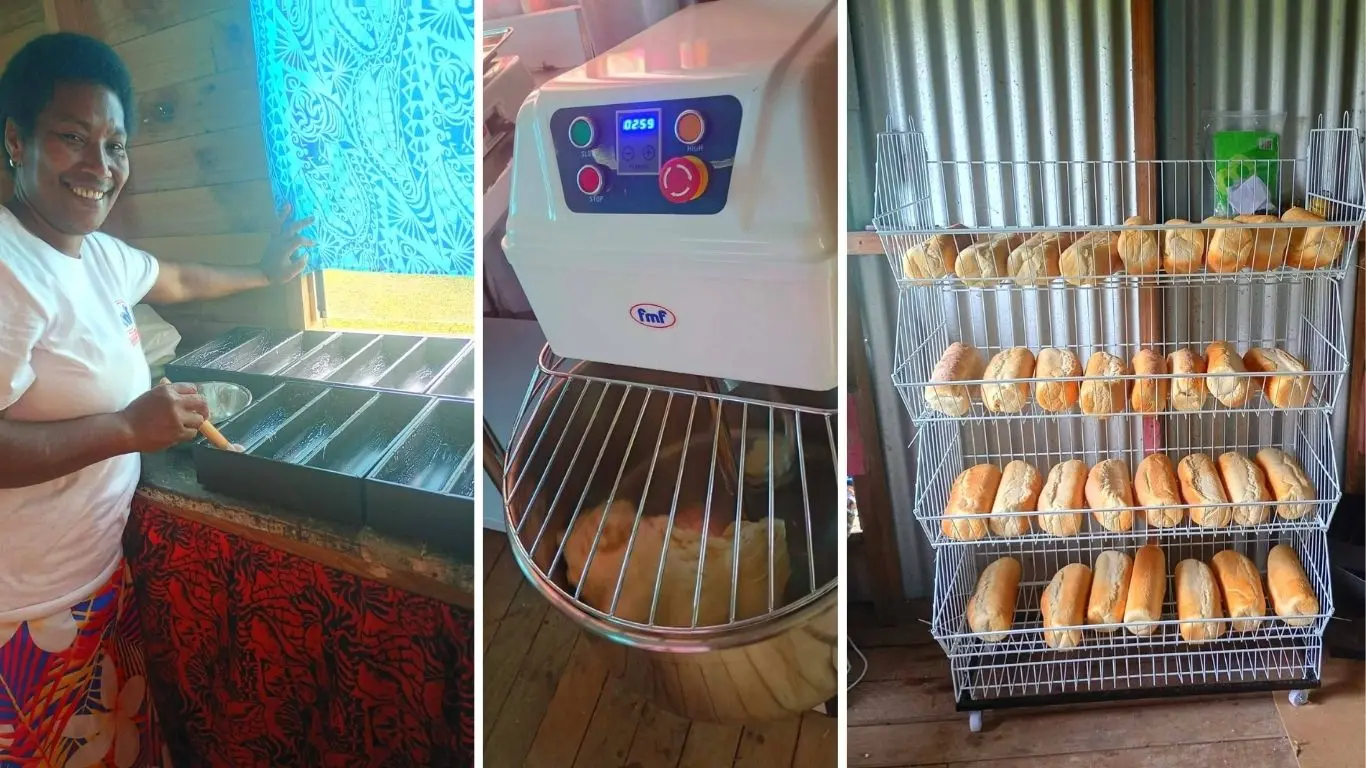
The funding enabled the cooperative to purchase a three-deck gas oven, a 25-kilogram mixer, a generator, a solar-powered refrigerator and other essential baking equipment.
The bakery officially began operations on September 22 and has significantly increased production capacity.
A women-led cooperative bakery has transformed access to fresh bread and created new economic opportunities for families in a remote district of Serua,
Bakery manager Maria Civo said the new equipment had dramatically improved both productivity and working conditions.
“Before our current bakery, the women were baking bread inside the old space and had to collect firewood every morning,” Ms Civo said.
“We then had to spend hours making the fire and breathing in the smoke to produce just a handful of loaves of bread. Before, it took us six hours to bake just two dozen. Today we can do our baking in a couple of hours and produce three dozen at one time.”
She said the improvements had also made a difference at home.
“I am so happy and grateful for this incredible blessing. Now me and my five children can have fresh baked hot bread for tea every morning before school, saving me time and making my children happy.”
The cooperative consists of 15 women who have undergone training in governance, leadership, bookkeeping and financial administration through the Office of Cooperatives.
The group was also formally registered as a cooperative, giving members access to additional support and development opportunities.
Before the bakery opened, residents travelled more than three hours to the nearest town to buy bread, often crossing rivers and paying about $30 per person for transport.
During its first week of operation, the bakery supplied bread to all five villages in the district as well as two primary schools and the local secondary school.
The cooperative currently produces white and brown bread and has expanded into selling frozen goods, including fish, chicken, ice cream and butter. Plans are also underway to introduce cream buns, coconut rolls, pizzas and cakes.
Community leaders say the bakery is doing more than producing food. By creating income opportunities for women, building business skills and keeping money circulating within the district, the venture is helping strengthen livelihoods and support long-term economic development in rural Serua.