Church leader proposes constitutional ban on same-sex marriage
The proposed ban was among eight recommendations he presented to the consultation.
Tuesday 27 October 2026 | 08:00

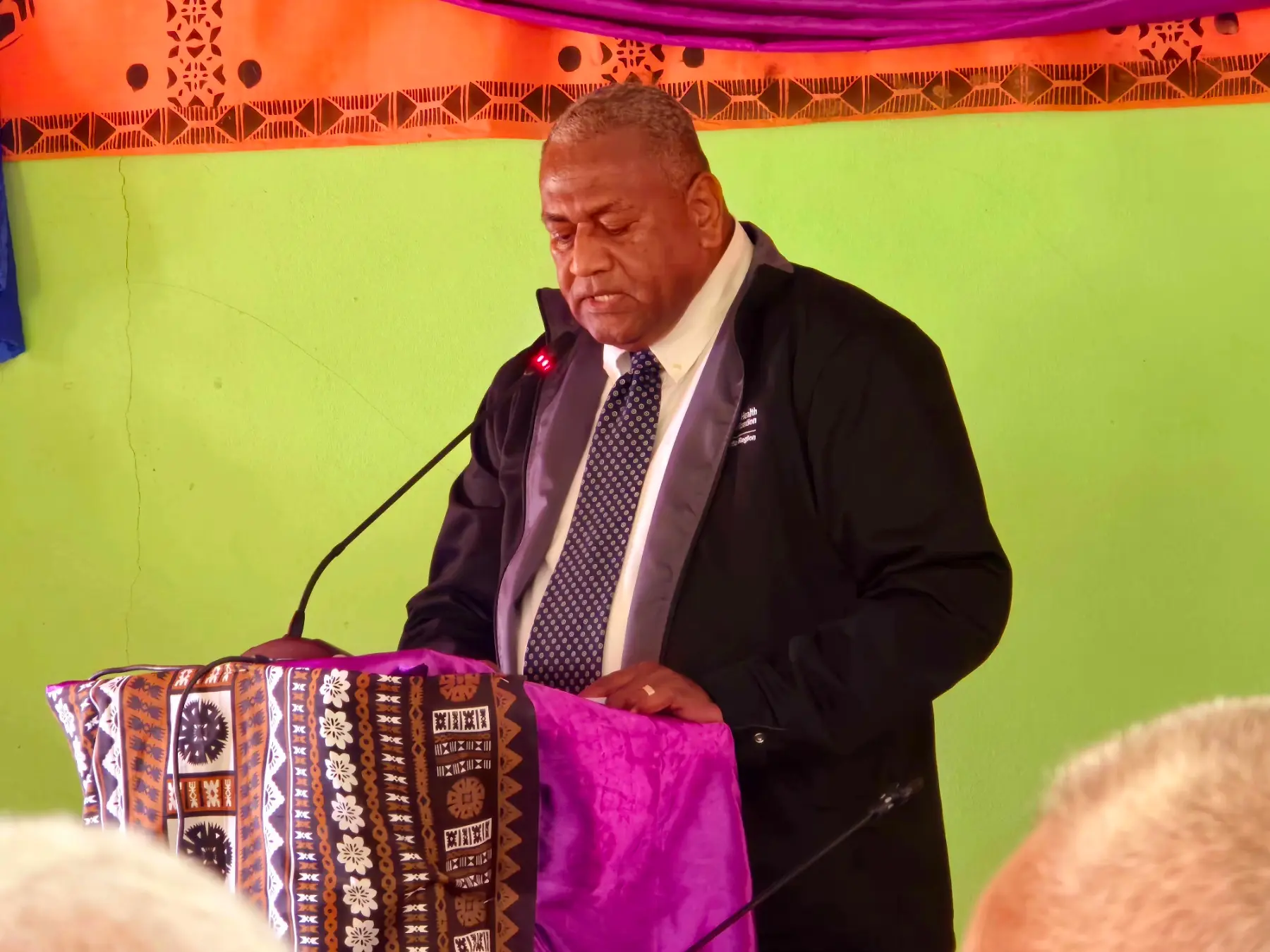
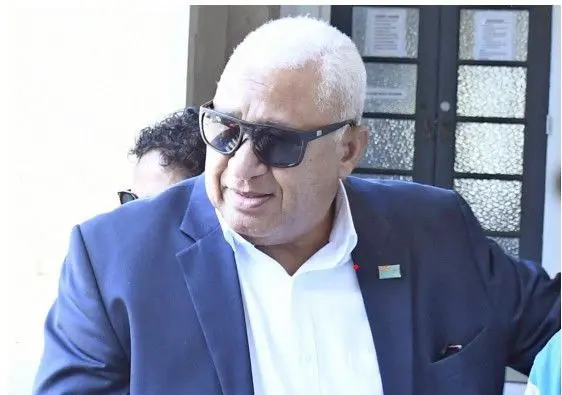
Apostles Fellowship International (AFI) president Penioni Ravunawa.
Photo: Sampras Anand
A church leader has called for Fiji's Constitution to explicitly prohibit same-sex marriage, arguing that the proposed constitutional provisions do not adequately define marriage.
Apostles Fellowship International (AFI) president Penioni Ravunawa made the proposal during public consultations on the Constitution (Amendment) Bill 2026 at Kilaka Village in Kubulau, Bua yesterday.
The proposed ban was among eight recommendations he presented to the consultation.
Related stories
Mr Ravunawa, who is also the assistant minister for health said constitutional protection was needed to preserve traditional and religious understandings of marriage.
"AFI requests an express Constitutional provision defining marriage as the voluntary union of one man with one woman and prohibiting legal recognition of same-sex marriage".
He cited Genesis chapter two and Matthew chapter 19 of the Bible in support of his proposal.
Mr Ravunawa argued that the existing and proposed constitutional provisions did not provide a clear definition of marriage.
"The marriage exception in section 26 of the 2013 Constitution and clause 29 in the proposed Constitution does not itself provide this definition".
He also called for clarity on the relationship between the proposed marriage provisions and religious freedom under clause 25.
Mr Ravunawa said churches and religious ministers should remain free to teach and solemnise marriages according to their beliefs.
However, he also called for protections against mistreatment.
"Every person must nevertheless be protected from violence, intimidation and degrading treatment".
National Day of Prayer
Mr Ravunawa also supported the introduction of an annual National Day of Prayer.
He proposed that participation be voluntary and that the observance respect individual freedom of conscience.
Drug rehabilitation
Another recommendation called for government investment in rehabilitation programmes for people affected by drugs and crime.
Mr Ravunawa proposed a nationally funded rehabilitation pathway linking schools, healthcare services, correctional institutions, families and accredited community organisations.
He said faith-based organisations could contribute to rehabilitation alongside professional healthcare services.
"Faith-based support can offer hope and belonging, alongside appropriate clinical treatment and voluntary spiritual care," he said.
Mr Ravunawa said his proposals were intended to strengthen families, uphold dignity and promote accountability.
"We seek a Fiji that honours God, strengthens families, respects dignity and held leaders accountable".