Conservation International marks 21 years in Fiji
Conservation International marks 21 years of partnerships protecting forests, watersheds, reefs and marine ecosystems.
Wednesday 23 September 2026 | 15:00
Updated 23 September 2026 | 16:27 FJT

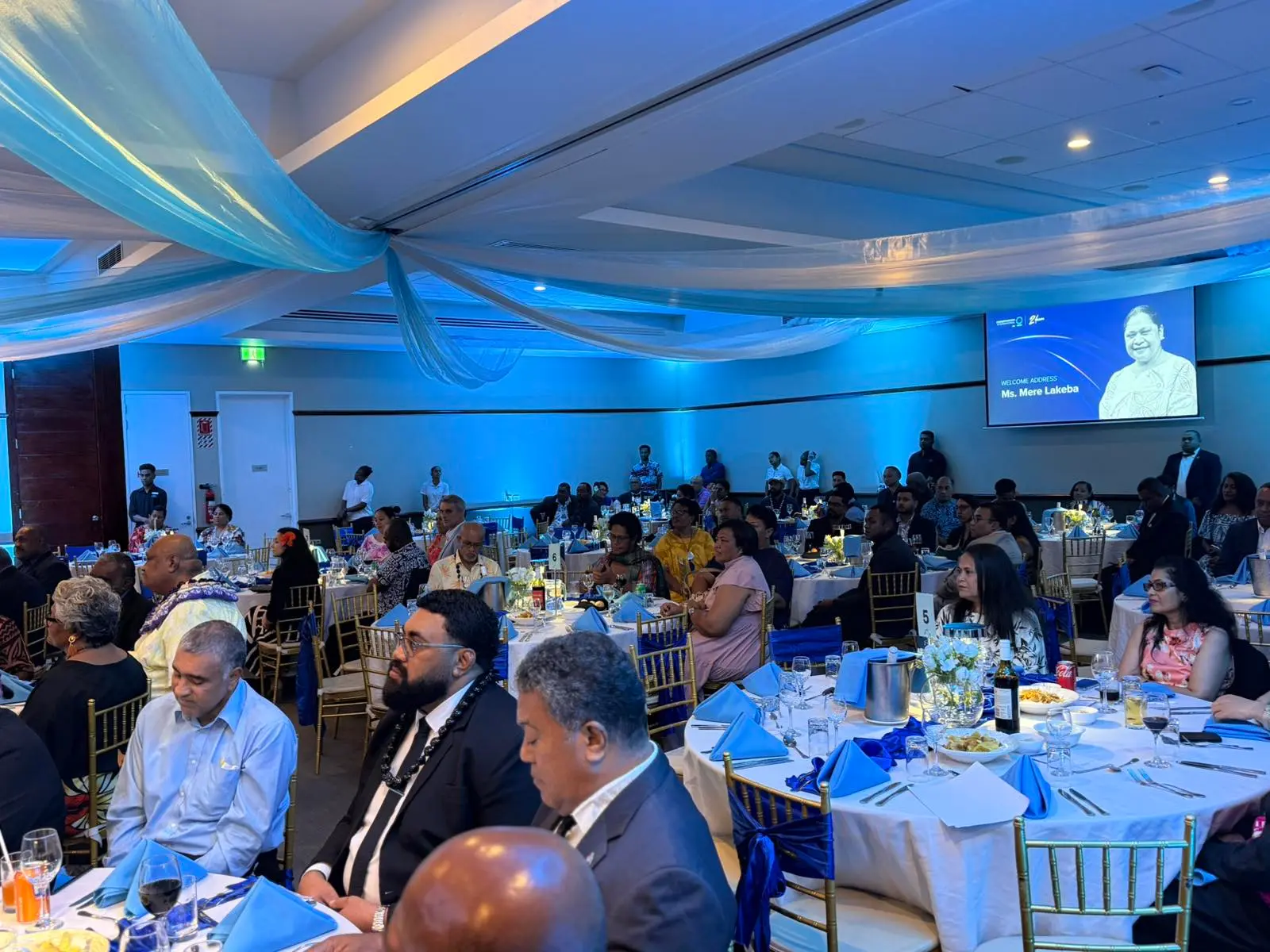
The Conservation International Fiji gala evening held at the Grand Pacific Hotel on September 22, 2026.
Photo: Asenaca Ratu
More than two decades of conservation work in Fiji has expanded from protecting forests and watersheds to safeguarding marine ecosystems, supporting livelihoods and strengthening climate resilience.
Conservation International marked 21 years of work in Fiji at an anniversary celebration at the Grand Pacific Hotel in Suva yesterday.
The organisation has worked with Government, traditional landowners, communities, researchers and other partners to protect Fiji’s forests, watersheds, reefs and marine ecosystems.
Related stories
Conservation International president and chief conservation officer Daniela Raik said the organisation’s work in Fiji began with efforts to better understand and protect the country’s biodiversity.
She said its partnerships contributed to research documenting Fiji’s forests, species and watersheds, the establishment of Fiji’s largest terrestrial protected area and the creation of the Sovi Basin Conservation Trust Fund as a long-term financing mechanism.
Ms Raik said its work had since expanded beyond individual conservation sites, recognising the links between forests, rivers, mangroves, reefs, fisheries and communities.
This included the Bridge to Reef approach and the Lau Seascape initiative, covering more than 335,000 square kilometres of ocean.
“Conservation is most durable and effective when it is built through partnership, and when local communities are a part of the decision-making,” Ms Raik said.
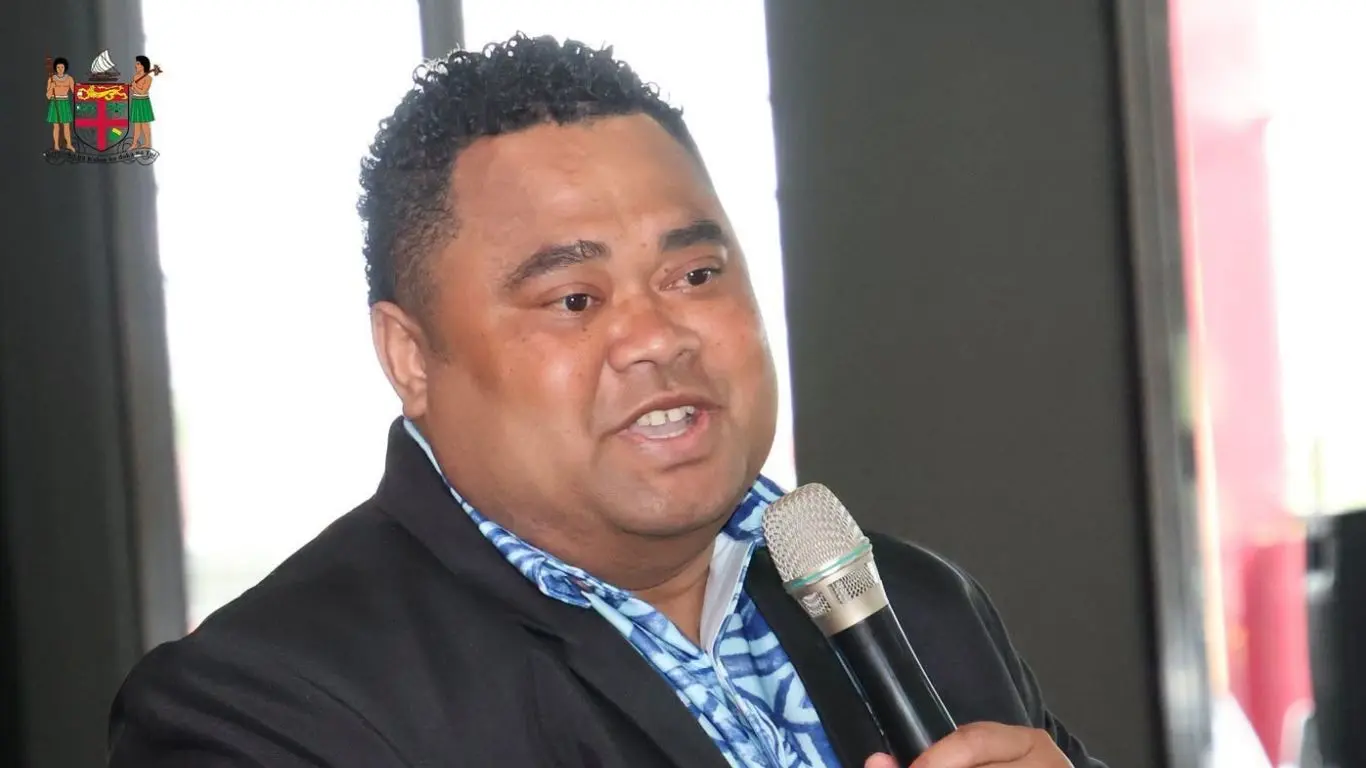
Assistant Minister for Justice Josaia Niudamu said the anniversary also celebrated the organisation’s long-standing partnerships with communities, particularly in Ra.
“Tonight, we celebrate an organisation, but more importantly, we celebrate a partnership,” Mr Niudamu said.
He highlighted the 2008 Nakauvadra Restoration Project, where 1,135 hectares along the Nakauvadra Range were dedicated to restoration through a landmark agreement with the district of Tokaimalo, with support from Fiji Water.
He said Conservation International also supported rural electrification in Tokaimalo, community training, income generation through seedling purchases, women’s livelihood opportunities and recovery efforts following Tropical Cyclone Winston.
For coastal communities, fish aggregating devices had helped reduce pressure on vulnerable reef systems while supporting fishing livelihoods and allowing fish stocks to recover.
Mr Niudamu said Conservation International had also worked through traditional governance structures to ensure conservation efforts were developed with communities rather than imposed on them.
“Conservation is not only about protecting nature, it is about protecting the people whose lives depend on it,” he said.
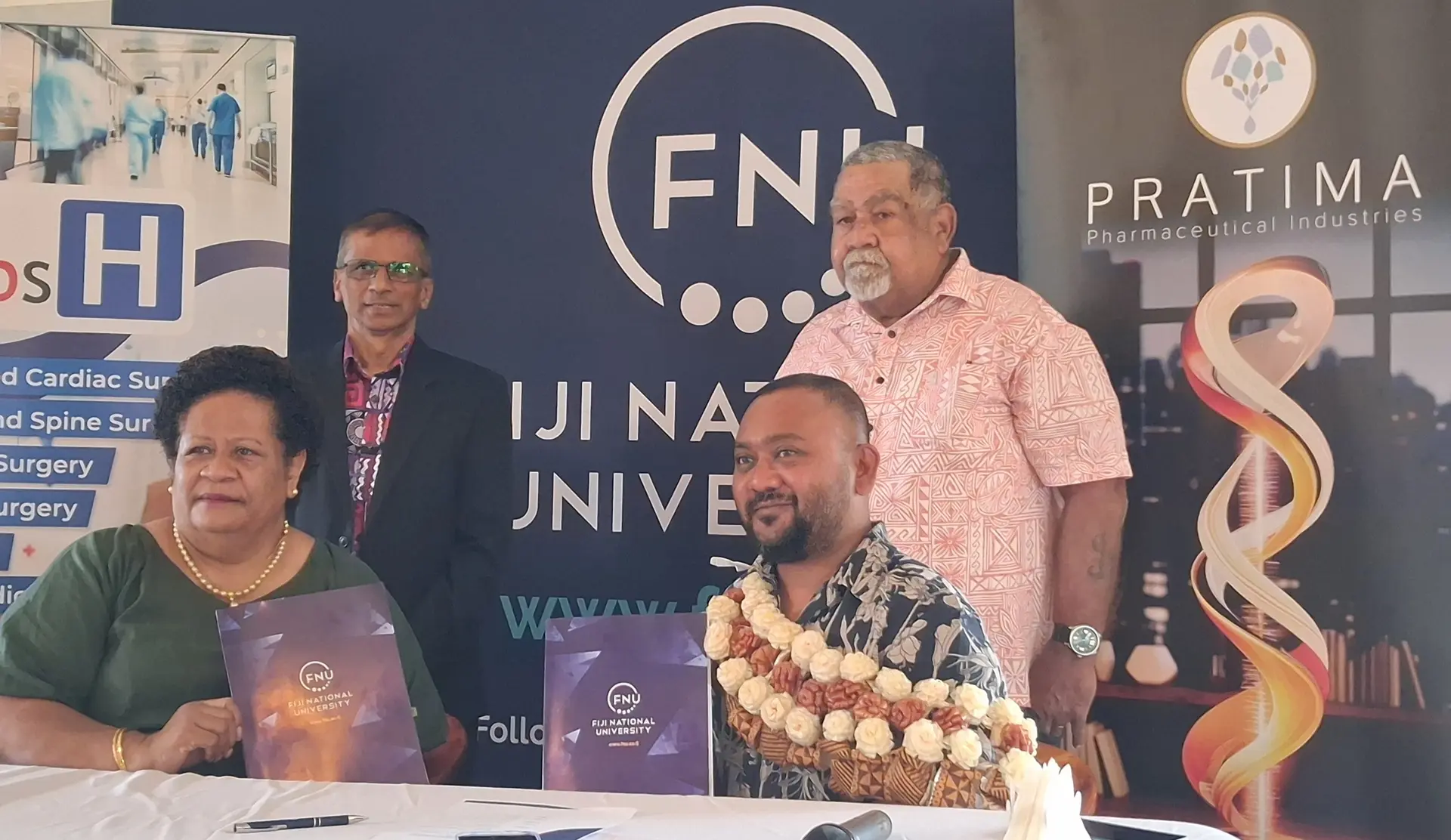
The anniversary comes as the Provincial Council of Ra and Conservation International sign a new memorandum of understanding reaffirming their commitment to conservation, community development and the wellbeing of future generations.
Mr Niudamu said the partnership had laid a foundation for future generations and that Ra would continue to support Conservation International’s work from forests to coastal communities and livelihood programmes.
“As we celebrate 21 years of Conservation International in Fiji, we are not only looking back at what has been achieved. We are looking forward with hope,” he said.