Constitution Bill contains ‘unbelievable’ errors, says UniFiji Vice-Chancellor
Professor Shaista Shameem says some clauses are so confusing they have lost their meaning.
Saturday 17 October 2026 | 16:00
Updated 17 October 2026 | 17:24 FJT

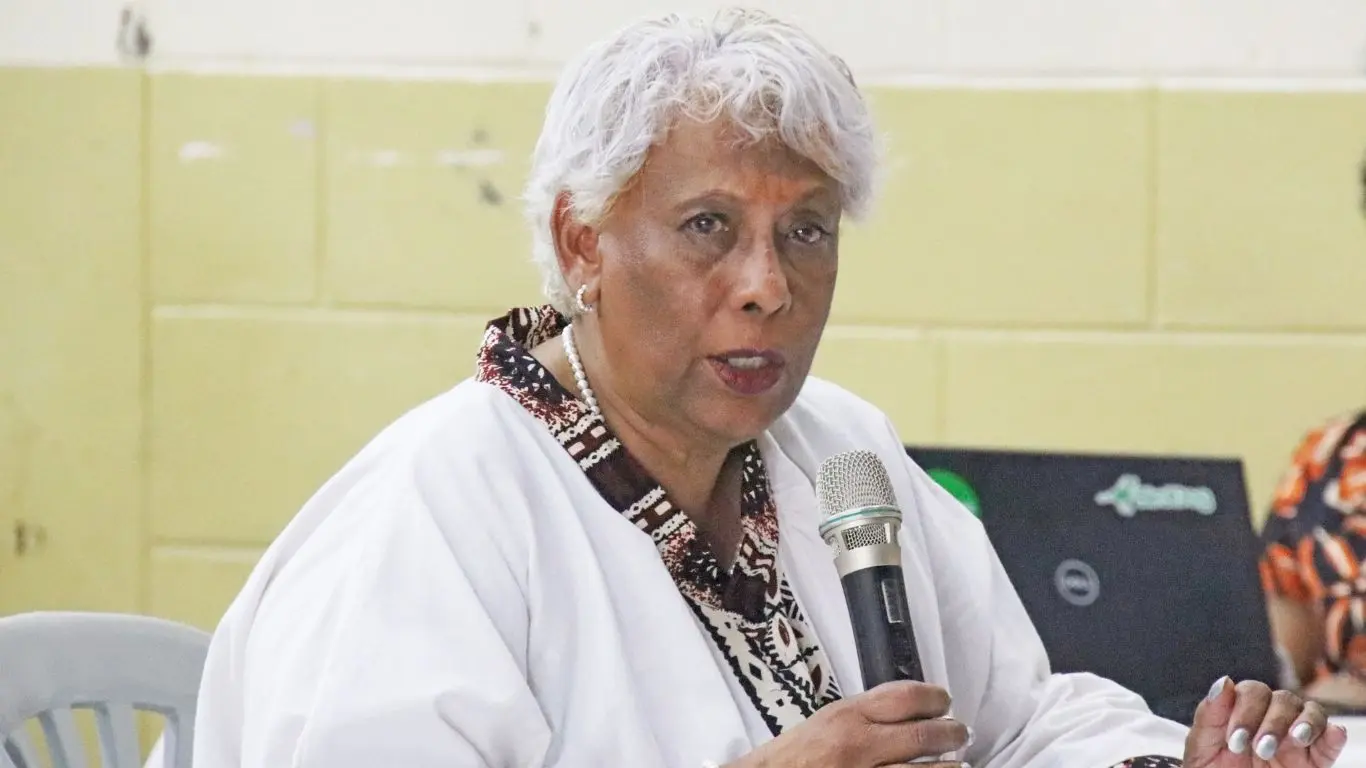
University of Fiji's Vice Chancellor, Professor Shaista Shameem.
Photo: University of Fiji
The University of Fiji has raised concerns over the Constitution Amendment Bill No. 32 of 2026.
Vice-Chancellor Professor Shaista Shameem warned that the proposed legislation contains an "unbelievable" number of drafting errors and internal inconsistencies, some so severe they undermine the purpose of the Bill itself.
"Some inconsistencies in the Bill are so grave they affect the purpose and content of the proposed legislation," she said.
Related stories
Ms Shameem presented the Parliamentary Constitutional Review Special Committee with a four-page list identifying almost 100 issues, including grammatical, spelling and typographical errors, contradictory clauses, cross-referencing mistakes and inconsistencies between the Bill’s clauses and explanatory notes.
She said the Bill failed to meet three core principles of legislative drafting: plain and clear language, internal consistency and clear policy intent.
“These fundamental errors defied the three principles of legislative drafting, namely, plain and clear language, internal consistency, and evidence of clear policy intent,” she said.
Ms Shameem said the scale of the drafting deficiencies highlighted the urgent need to fill the vacant parliamentary draftsperson position before the Bill proceeded further.
“The massive drafting deficit showed that the vacant position of parliamentary draftsperson clearly needed to be filled before the Bill was taken through any other process, particularly the National Referendum.”
“We all need to understand what this Bill is about and, currently, everyone appears confused about the meaning and intent of many provisions.”
She identified clauses 112, 138 and 144 as containing significant discrepancies when compared with their explanatory notes. She also said sections 26(4)(d), 80(5) and 116(6), among others, were so unclear that “the clauses were rendered meaningless”.
Beyond drafting concerns, Ms Shameem questioned whether some provisions were consistent with Fiji’s international human rights obligations.
Referring to section 40(1)(e), which addresses the “chastisement” of children, she warned that the absence of a clear definition could raise legal and human rights concerns.
“Chastisement could be a euphemism for anything, including assault of a child,” she said, referring to Fiji’s commitments under the Convention on the Rights of the Child.
She also raised concerns about section 154, arguing that it appeared to divide State sovereignty, which she described as unprecedented in Fiji’s constitutional framework.
“State sovereignty is indivisible unless successionism is proposed,” she said, adding that taxpayers’ views would be highly relevant given the wider implications of Chapter 9, which relates to Rotuma.
Ms Shameem told the committee that although she had previously questioned the need for a supreme and entrenched constitution in Fiji, her constitutional law students had since persuaded her that a fair and inclusive constitution could be achieved.
She submitted a draft constitution developed by her students and adopted by the University of Fiji, urging the committee to consider it as an alternative model.
Ms Shameem said concerns about Bill No. 32 were also being raised by other stakeholders, including the Republic of Fiji Military Forces (RFMF), whose commander had reportedly described the immunity clause as “a mark of impunity”.
She said that if her students, all eligible to vote in the next elections and part of the key voting demographic aged 19 to 40, could produce a clear and consistent constitution focused on the public good, without special privileges or favours and treating all Fijians equally, the State should be able to do the same with the resources available to it.