Dr Veitayaki Challenges Ocean Scientists, Policy Makers during Conference
“We now have to try to use the best of our skills, traditional and scientific, to find solutions that work for us. That is the challenge,” he said.
Thursday 14 September 2023 | 16:09
Ocean policies, big talks and international agreements will only make sense if it touches the lives of men and women who live in rural/coastal communities of the region, often without any voice.
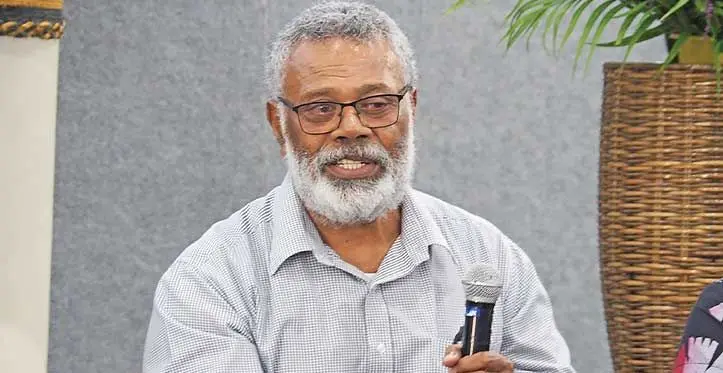
This was the challenge laid out to ocean scientists and policy makers by Dr Joeli Veitayaki, the former associate professor of marine studies at the University of the South Pacific’s School of Agriculture, Geography, Environment, Ocean and Natural Science Marine Studies.
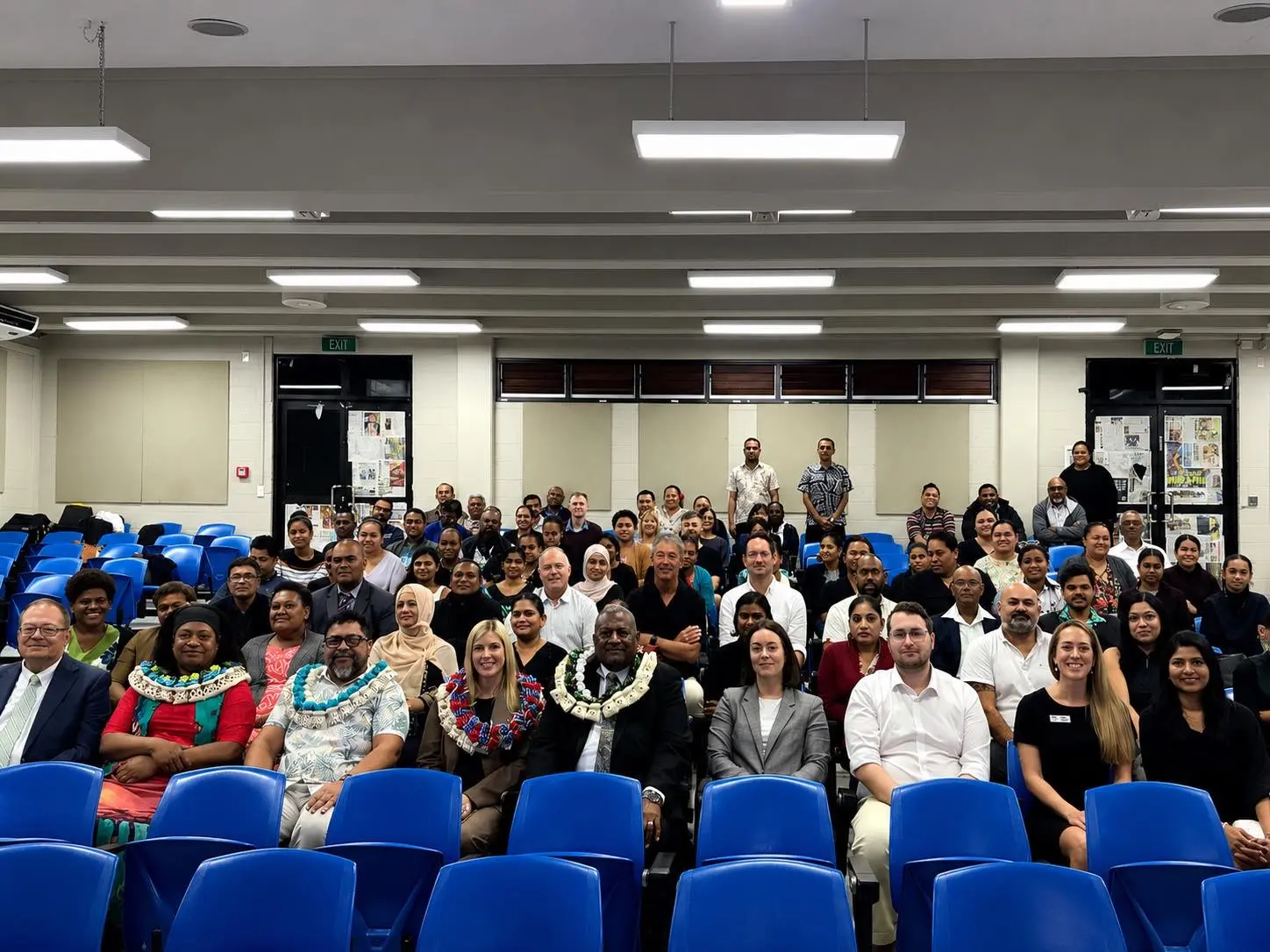
Speaking at a panel discussion during the Pacific Islands Conference on Ocean Science and Ocean Management in Nadi, Dr Veitayaki said having the policies, talks and making international agreements, makes little sense, unless it benefits those affected in rural/coastal areas.
Related stories
Dr Veitayaki spoke on the topic of embracing traditional knowledge and ocean science for Pacific Ocean management.
He stressed the importance of incorporating traditional knowledge in the discussion of ocean management in the region.
“We now have to try to use the best of our skills, traditional and scientific, to find solutions that work for us. That is the challenge,” he said.
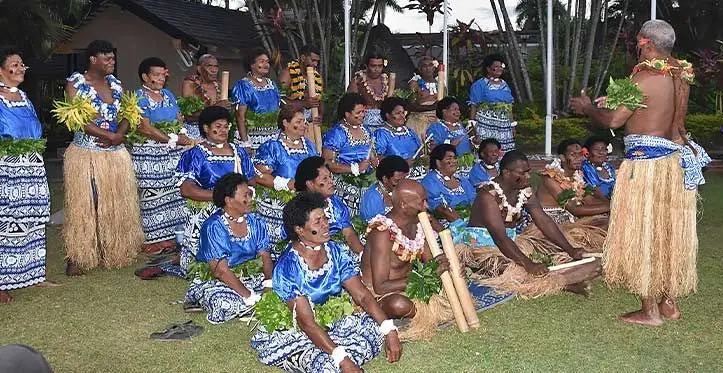
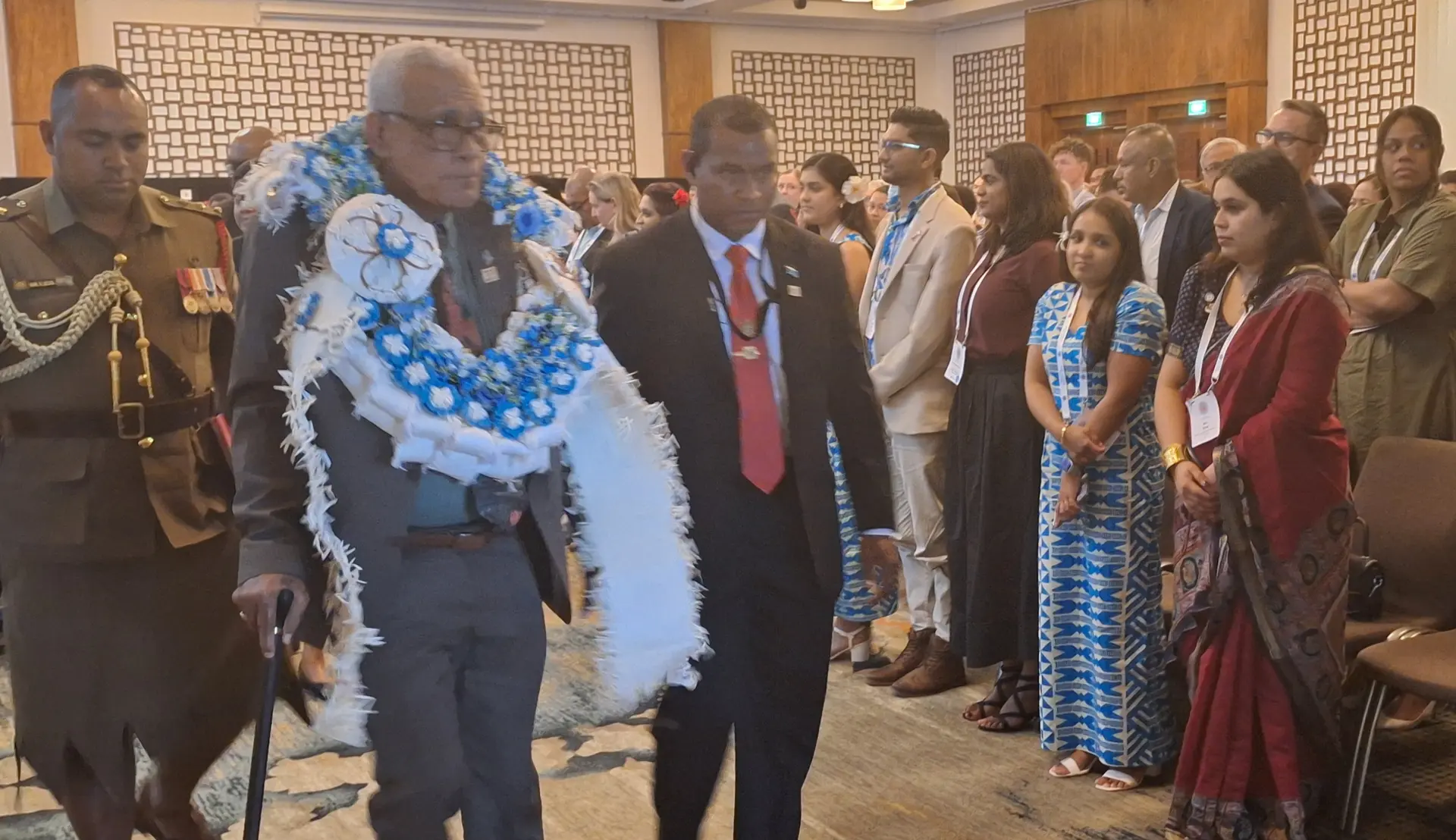
Participants of the Conference on Ocean Science and Ocean Management are treated to a traditional Fijian meke during the opening cocktail of the meeting held at the Tanoa International Hotel in Nadi on September 11, 2023. Photo: SPC
“If anything had gone wrong, I would have been blamed, an educated Pacific Islander working in a regional university deciding to do this.”
He said on that day, he trusted traditional knowledge, signed the papers.
“My nephew was driven out of the hospital to Nadroumai in an ambulance because he could not walk, he had to be lifted.
“About two months later, he was back having buried his father carried by his schoolmates in a wheelchair.
“Two months later, he was healed enough to go back and pursue studies. He is now qualified diver.
“So, for me, traditional knowledge has its place today. That is my simple message for us.”
Science and traditional knowledge
“If we are to go on a partnership or collaborative process, do not forget, Pacific Islanders have always lived here and that body of knowledge time tested is what allowed them to live in the pacific world for many years,” Dr Veitayaki said.
“What I am trying to say is that cultural heritage covers all things, from the way we cook our food, from the way we preserve our food, to looking after the resources that we are here to talk about.
“Cultural heritage, while it is important for us to rely on, it has been tailor made by our people to suit the environment in which we exist.
“Unfortunately, we now often put it aside because of newer technologies that have come.”
He added that conservation and development must be simultaneously attained.
Feedback: inoke.rabonu@fijisun.com.fj