Govt redirects funds to tackle prolonged dry spell
Rabuka says resources are being reallocated for emergency water deliveries and new boreholes as 2.28 million litres have been supplied to 69 sites across Fiji.
Tuesday 17 November 2026 | 06:00

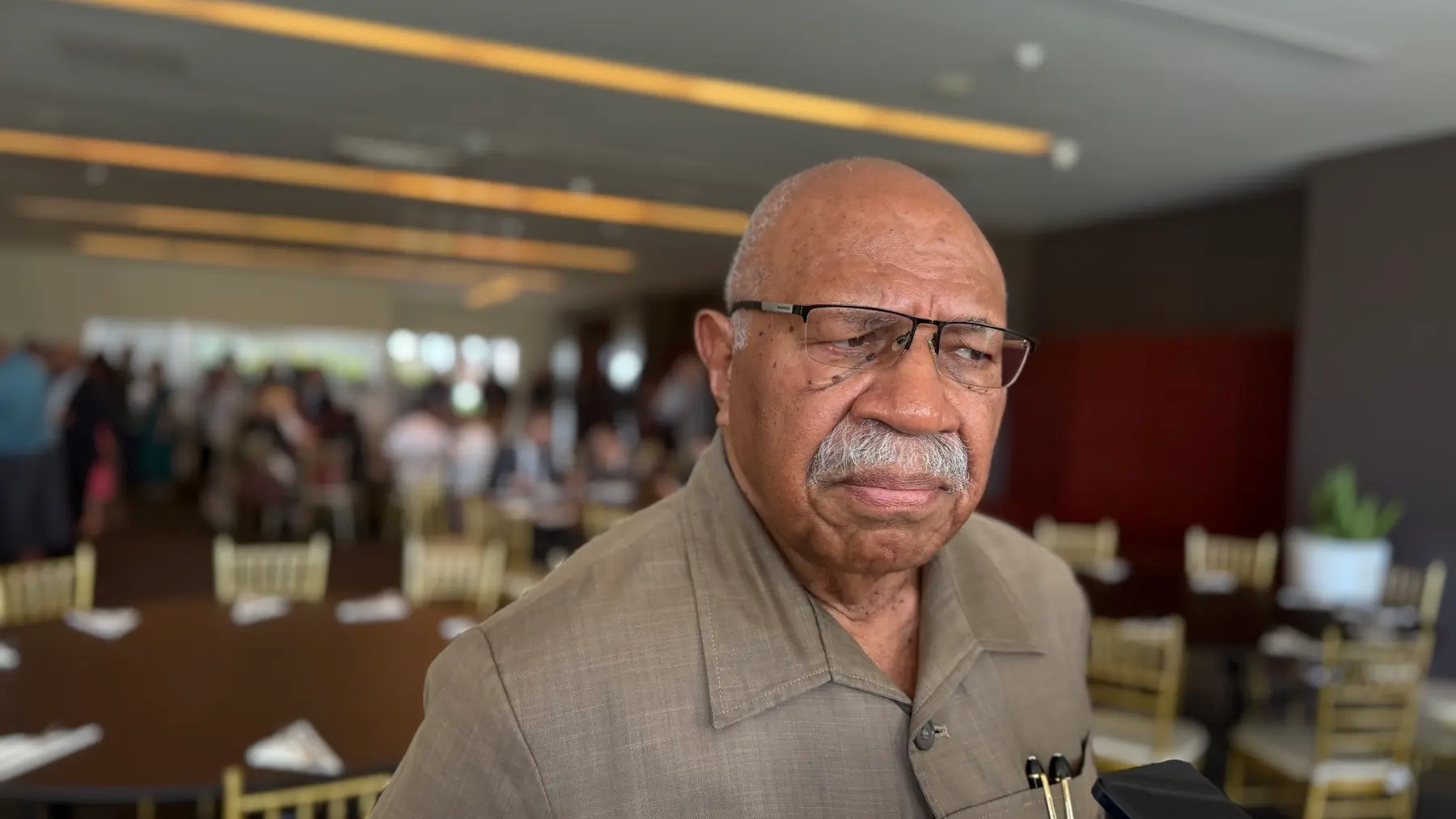
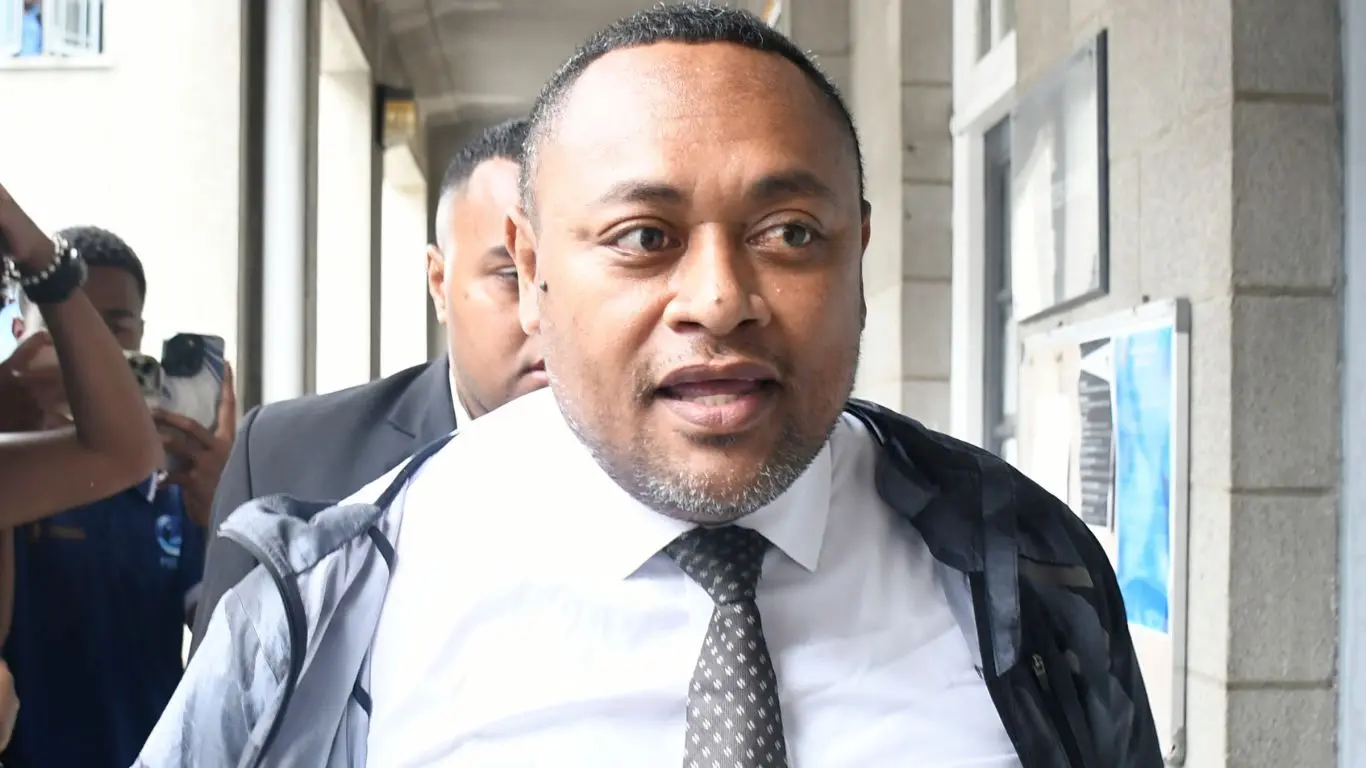
Prime Minister Sitiveni Rabuka in Suva on November 16, 2026.
Photo: Talei Roko
Government is reallocating resources to address Fiji’s El Niño-related dry spell, with water carting and the drilling of new boreholes among the immediate measures being considered to help affected communities.
Prime Minister Sitiveni Rabuka said the Government was identifying areas facing the greatest water shortages and working with regional development and disaster authorities to direct resources where they were most needed.
Mr Rabuka said some communities, including those in maritime areas, were relying on water transported from better-supplied facilities on the larger islands.
Related stories
“Immediate response has been particularly the water problem, the carting of water to areas that are really struggling,” he said.
He said the Government was also examining aquifer maps to identify suitable locations for new boreholes, with potential sites and estimated costs already identified.
“Funds are going to be reallocated to those areas for drilling of emerging boreholes,” he said.
Mr Rabuka said boreholes could provide potable water for drinking, while existing surface water could continue to be used for non-drinking purposes such as bathing, flushing toilets and gardening.
He acknowledged that El Niño was beyond human control but said its effects could be reduced through targeted interventions and resource allocation.
As of November 10, 2026, a total of 2,288,311 litres of water had been delivered to 69 sites across Fiji’s four divisions.
The Fiji National Disaster Risk Management Office (NDRMO) continues to coordinate emergency water carting operations to assist communities and essential facilities.
Of the 69 sites, 48 were in the Western Division, 16 in the Northern Division, four in the Eastern Division and one in the Central Division.
The Government said water assistance was reaching villages, schools, nursing stations, health centres, police posts and weather stations, supporting communities and essential services experiencing water shortages.