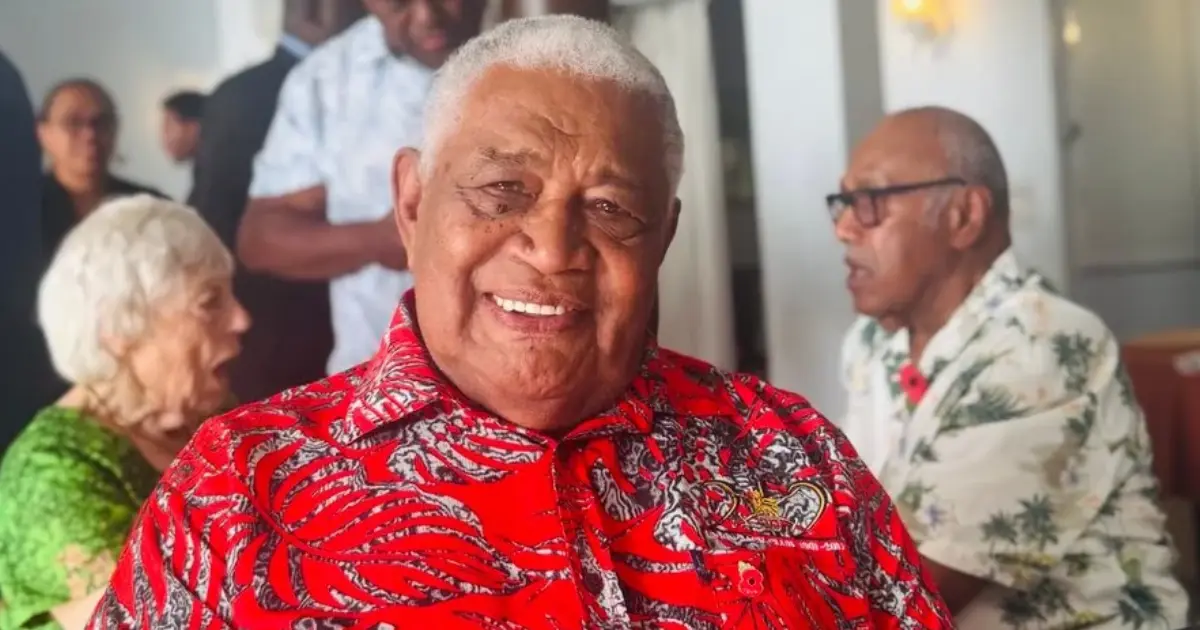
Rabuka calls for development partners' support
He said development must be inclusive and sustainable, supported by strong institutions, and should translate into better services, greater opportunities and improved lives for Fijians.
Tuesday 17 November 2026 | 05:00

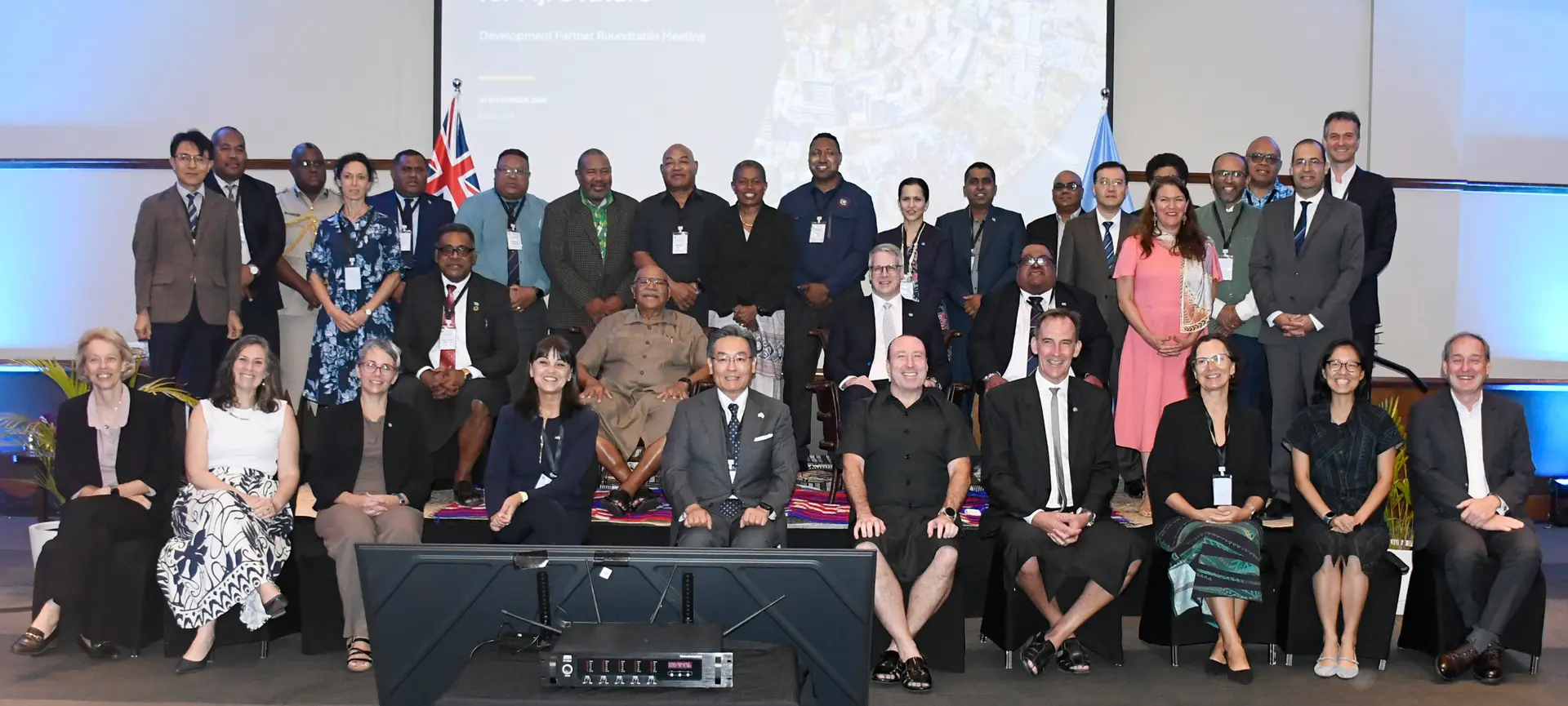
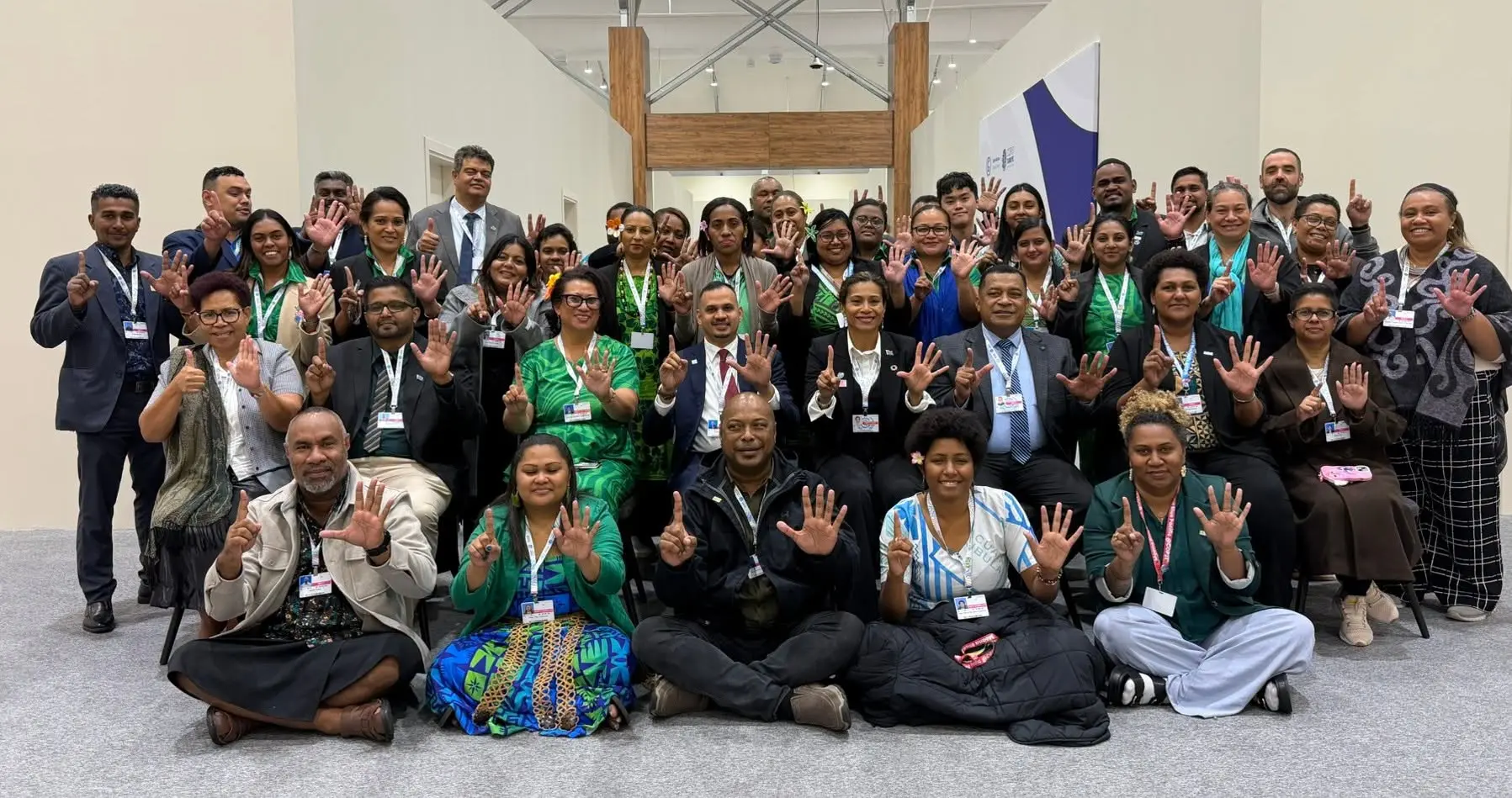
Delegates of the Joint High-Level Government and Development Partner Roundtable Meeting in Suva on November 16, 2026.
Photo: Ronald Kumar
Prime Minister Sitiveni Rabuka has called on Fiji’s development partners to help assess the country’s challenges and identify practical solutions.
He acknowledged that while progress has been made in some areas, the country has fallen short in others.
Speaking at the Development Partners Roundtable in Suva yesterday, Mr Rabuka said the Government had presented an honest assessment of Fiji’s development performance to encourage open discussion and coordinated action.
Related stories
“Our officials told the development partners what we all know in Fiji, what has been happening, how we have fared well in some areas, not so well in others,” he said.
He said the aim was to allow development partners to examine the challenges, identify gaps and work with the Government to improve the country’s development outcomes.
Mr Rabuka said Fiji could not address its challenges through Government resources alone and needed technical expertise, institutional support, knowledge, innovation and development financing.
“We are in this together, and we need your support,” he said.
The Prime Minister identified economic resilience, people empowerment and good governance as the three pillars of the National Development Plan 2025–2029.
He said development must be inclusive and sustainable, supported by strong institutions, and translate into better services, greater opportunities and improved lives for Fijians.
Among the challenges outlined were cost-of-living pressures, uncertainty over global fuel supply and prices, climate change, ageing infrastructure, illicit drugs and the escalating human immunodeficiency virus (HIV) crisis.
Mr Rabuka said climate change was affecting communities, infrastructure, food and water security, public finances and Fiji’s long-term development prospects.
He also called for more accessible and predictable climate financing, saying Pacific countries had contributed least to climate change but were experiencing some of its most severe consequences.
Drugs and HIV
The Prime Minister said the country’s drug problem was not simply a law enforcement issue, but also a public health, social and economic challenge.
He linked the drug problem to the escalating HIV crisis, saying unsafe injecting drug use had become a major driver of transmission.
Almost half of the people who commenced HIV treatment in 2024 were people who inject drugs, he said.
Mr Rabuka said the Government would expand access to testing and treatment, strengthen prevention and public awareness, and support evidence-based harm-reduction measures.
He said development partners could help strengthen frontline services, improve the information available to decision-makers and reach vulnerable communities.
Ageing public infrastructure
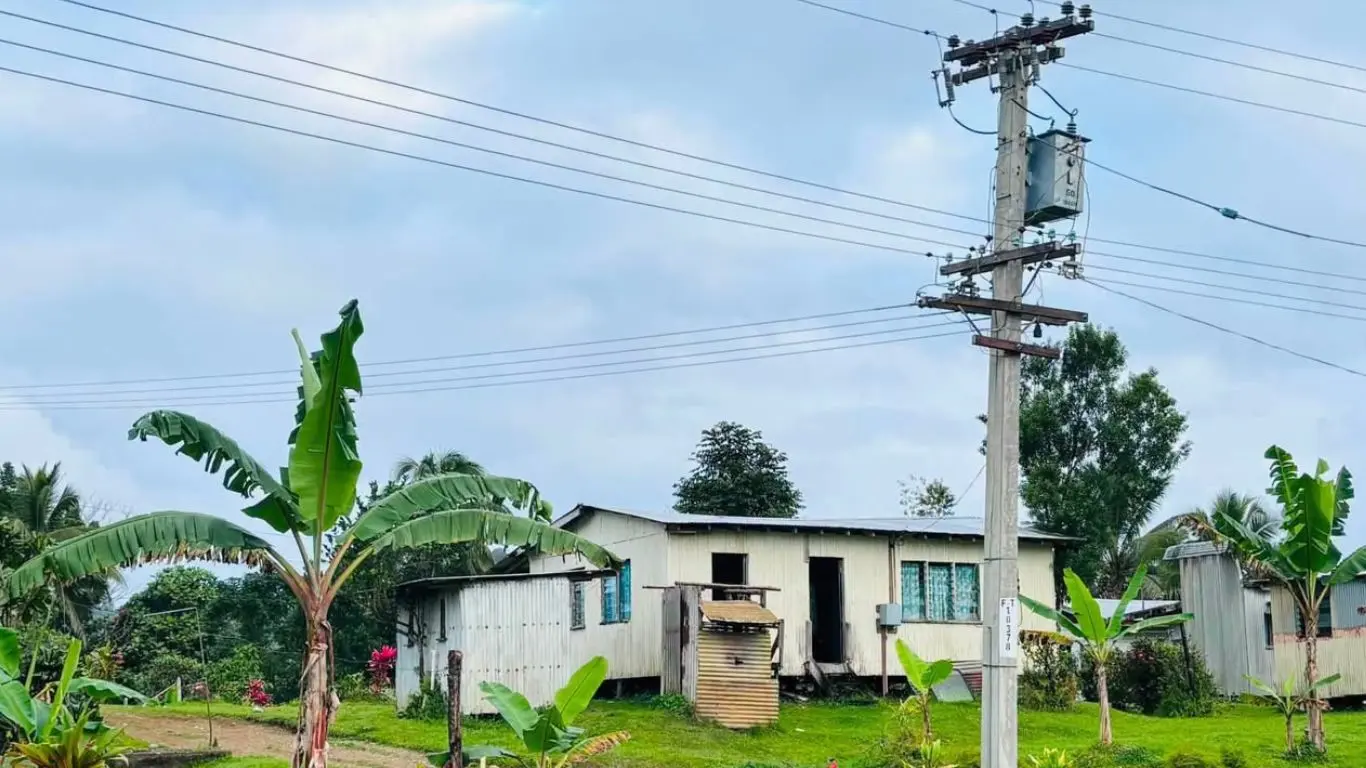
The Prime Minister also raised concerns about ageing public infrastructure, including hospitals, roads, bridges, ports and water systems, which were under increasing pressure from population growth, urbanisation and climate change.
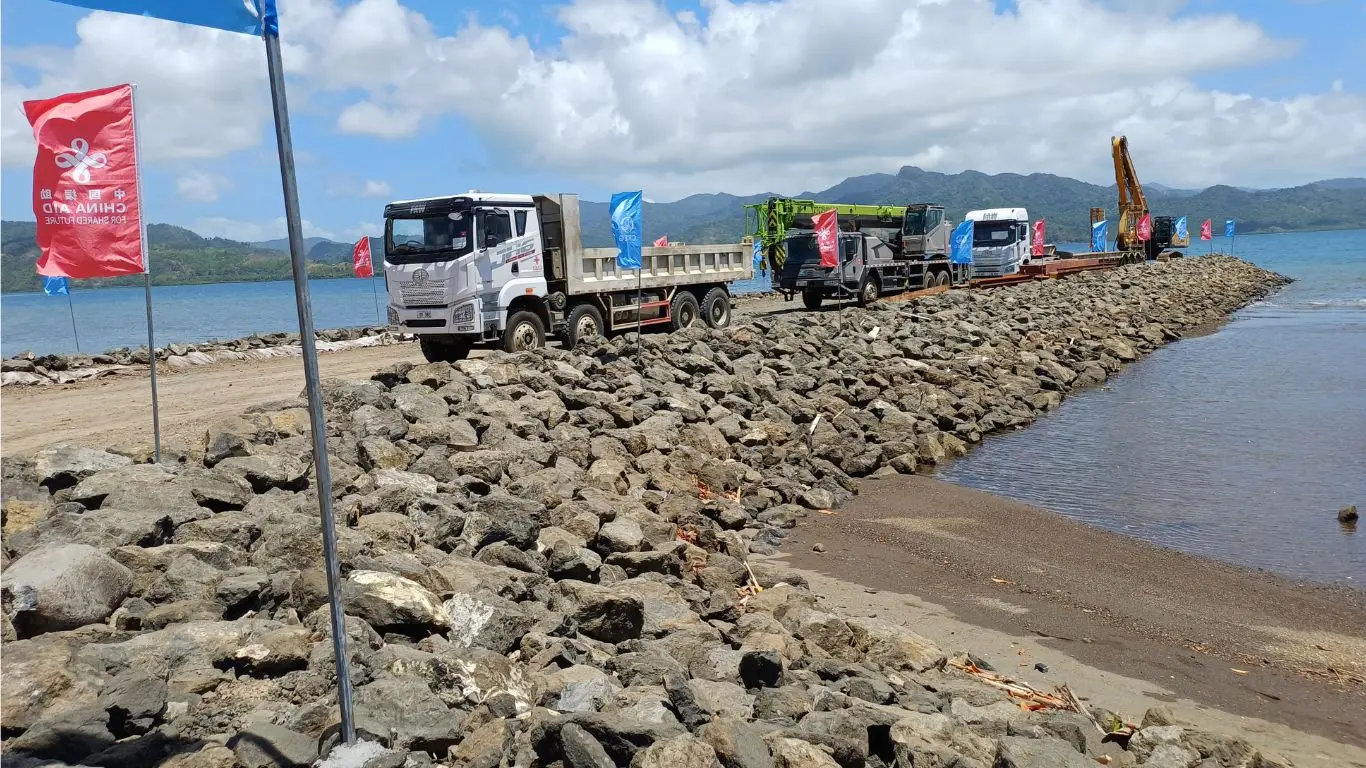
The roundtable was also an opportunity to seek support for major national projects, including the redevelopment of Colonial War Memorial Hospital, the Nadi Flood Alleviation Project and the proposed Rokobili Transshipment Port.
Mr Rabuka said the projects were nation-building investments that would strengthen the health system, protect lives and livelihoods from flooding, improve regional connectivity and support economic activity.
He said the meeting should help the Government and its partners align assistance with national priorities, identify opportunities for technical and financial support, and agree on actions that could be followed through after the meeting.
Mr Rabuka said the Government accepted its responsibility to provide clear priorities, stronger coordination, transparent decision-making and accountability for results.
He urged development partners to identify areas where their assistance could have the greatest impact.
He said the roundtable should become a regular platform for focused and accountable cooperation rather than a one-off meeting.