RFMF wants to change Fiji’s coup history, consultation hears
Senior legal officer Captain Stephanie Donn says the proposed RFMF and Military Justice Bills are intended to strengthen legislation and governance within the military.
Tuesday 17 November 2026 | 05:30

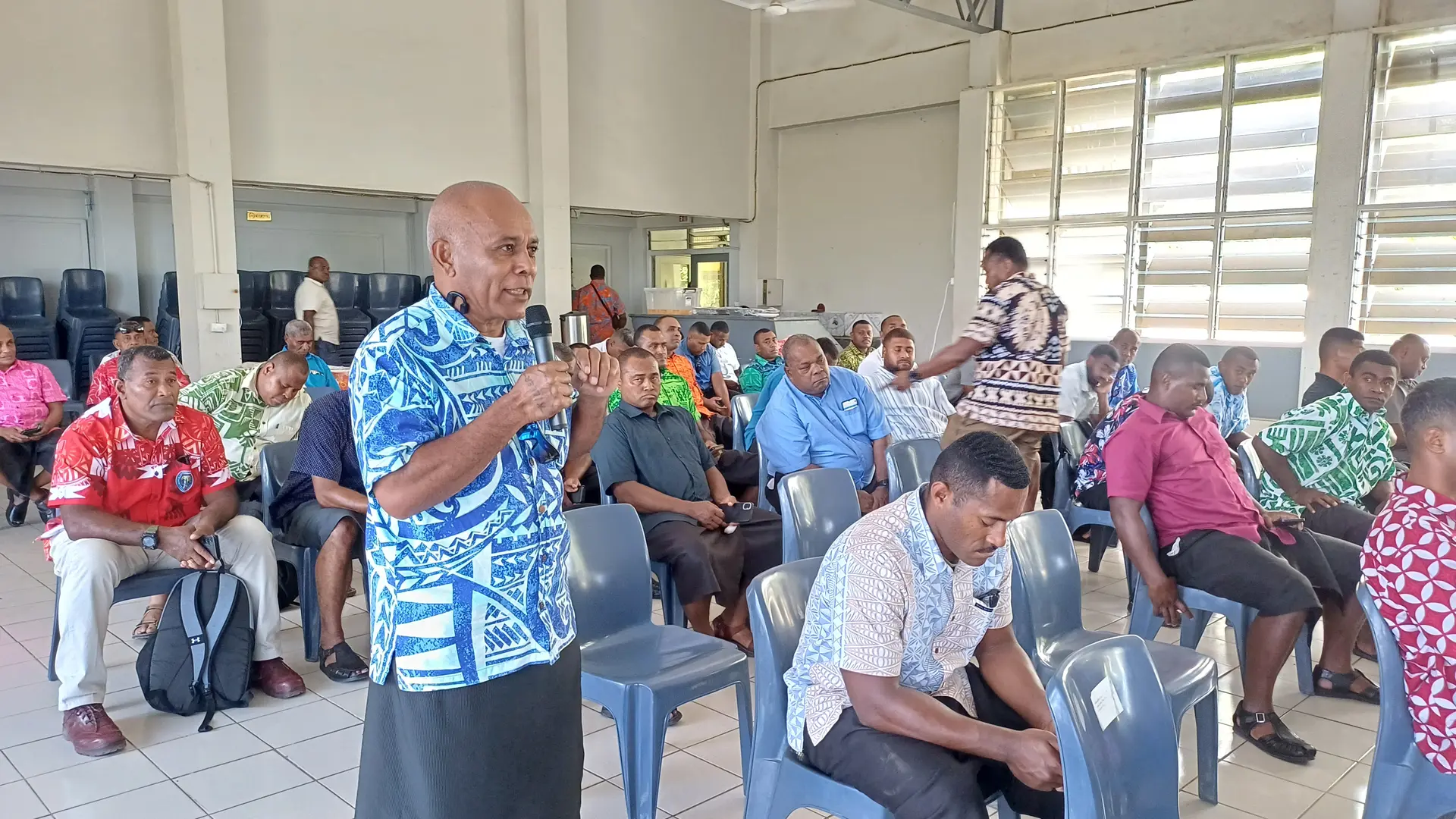
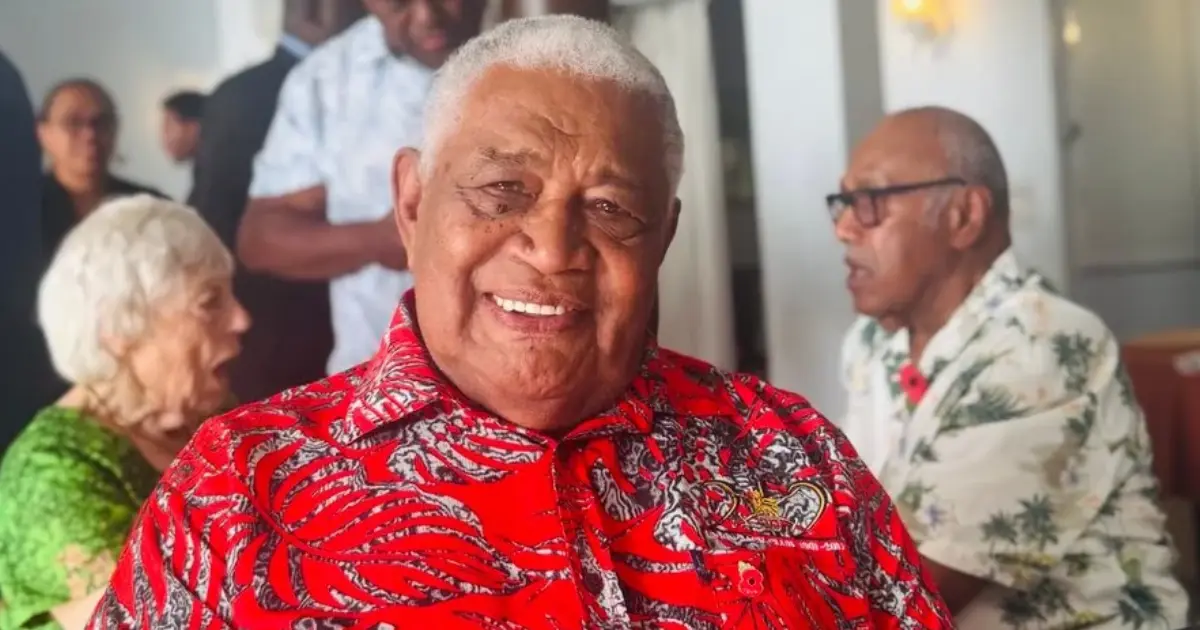
Samuela Cikaitoga addresses the RFMF Bill 2026 and the Military Justice Bill 2026 consultation at the Labasa Civic Centre on November 16, 2026.
Photo: Shratika Naidu
Fiji has experienced four coups, three of which were led by the military, says Republic of Fiji Military Forces (RFMF) Force Legal Service senior legal officer Captain Stephanie Donn.
Speaking at a consultation on the RFMF Bill 2026 and the Military Justice Bill 2026 at the Civic Centre in Labasa yesterday, Captain Donn said the military wanted to change that history.
“One way of making that change is ensuring that our Acts, legislation and governance reflect this,” Captain Donn said.
Related stories
“The proposed bills are to ensure that those who are contributing to be in power of this key institution, RFMF, will be able to answer to the people instead of the people answering to that.
“And that's why we are here to try and push this bill because we need this bill now; this is the time for us to change.”
The consultation was organised by the Ministry of Defence and Veterans Affairs.
RFMF Director Force Legal Service Colonel Kitione Tuinaosara said the Labasa meeting was the first consultation on the proposed bills, with consultations to continue in the Western Division.
If passed, the proposed bills will replace the outdated British Army Act 1955.
Fiji Navy legal officer Lieutenant Atunaisa Waqainabete was also part of the consultation team who said it was necessary to replace the outdated Act considering the current situation and advancement of technologies.
Colonel Tuinaosara said the proposed bills would give the Navy powers to exercise certain legislative roles currently carried out by police, customs and fisheries officers, both inshore and offshore.
He said the Navy would also be able to exercise powers assigned to counter-narcotics officers under the Counter-Narcotics Act, which was recently passed by Parliament.
“Overall, the RFMF is still exercising its role in terms of security,” Colonel Tuinaosara said.
“The new bills not only provide greater scope for law enforcement but also tie in with our primary duty of providing security to the State.”
Samuela Cikaitoga, a retired military officer asked the consultation team whether the bill will control military’s intervention at any event of time.
Captain Donn replied said both proposed bills clearly outlined when the military could step in, how long it could remain involved and the decisions required before it intervened.