Climate resilience must guide Iinfrastructure development: PM
Prime Minister says climate threats must be considered in all infrastructure planning and maintenance.
Monday 16 November 2026 | 15:30

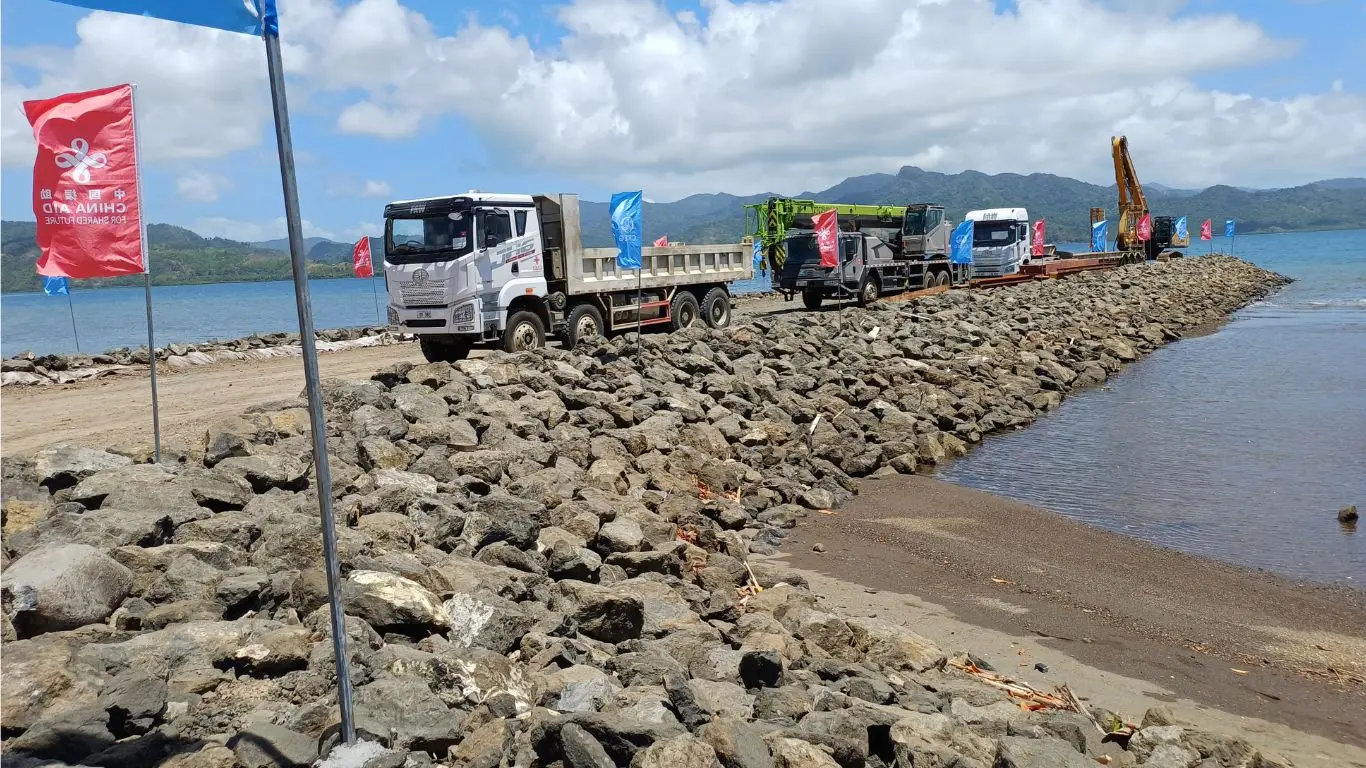
Vunikura Jetty in Cakaudrove on November 13, 2026.
Photo: Shratika Naidu
Fiji is increasingly exposed to cyclones, coastal erosion, rising sea levels and other climate-related risks, says Prime Minister Sitiveni Rabuka.
During his recent visit to Vunikura Jetty in Cakaudrove, he said agencies involved in developing new infrastructure must recognise the importance of building resilience into Government investments.
“Our coastal and maritime infrastructure must therefore be planned, designed and maintained with these realities in mind,” Mr Rabuka said.
Related stories
“The protection of this jetty and its supporting infrastructure will be important to ensuring that the investment continues to serve our people over the long term.”
He said infrastructure development did not end when construction was completed.
Maintenance, proper management and community ownership were equally important, he added.
“Government will continue working with the relevant agencies and local communities to ensure that our infrastructure is protected, maintained and used responsibly,” he said.
“Our objective must be to deliver infrastructure that is not only accessible today but remains reliable and sustainable for future generations.”
Mr Rabuka said that while Government had an important responsibility to provide infrastructure and essential services, national development could not be delivered by Government alone.
“Our communities must also be active partners in development,” he said.
“This is why I am pleased to recognise the Fiji Roads Authority's Small Works Contracts Programme, which provides opportunities for local communities to participate directly in maintaining the infrastructure they depend on.”
Last Friday, five community groups from the Buca Bay area and Dakuniba road zone received their Vegetation Control Extension Contracts under the revised programme.
The groups are Karoko Youth Club of Karoko Village, Kama Youth Club of Buca Village, Vunikura Youth Club of Vunikura Village, Nawi Village Project of Nawi Village and Mataqali Nadomole Investments of Dakuniba Village.
Under the contracts, the groups will undertake vegetation control and general road maintenance to ensure roads remain clear, safe and accessible.
However, the programme's benefits extend beyond road maintenance, creating opportunities for local employment, income generation and community enterprise.
“It allows our people, particularly our youth and village-based organisations, to participate in economic activities while contributing directly to the development of their own communities,” he said.
“This is the kind of partnership we want to encourage. Government must not only deliver development to communities; it must also create opportunities for communities to participate in delivering that development.”
Mr Rabuka said he wanted to see village organisations, youth groups, mataqali, community enterprises and local businesses become stronger partners in Government development programmes.
“Where opportunities exist, we should encourage local participation, build skills, strengthen local capabilities and ensure that more of the economic benefits of public investment remain within our communities,” he said.
He said this also meant creating opportunities for local groups to participate in Government procurement, infrastructure maintenance and other economic activities.
“Our development approach must give our people the opportunity to move beyond being recipients of assistance and become active contributors to economic growth,” he said.
“This is particularly important for our young people. We must create pathways for them to acquire practical skills, develop businesses, secure employment and participate meaningfully in the economy.”
Mr Rabuka said the income generated through community contracts could support families, strengthen village organisations and contribute to other community projects.
He said the approach was consistent with Fiji’s broader development aspirations of inclusive economic growth, greater private-sector participation and stronger community ownership.
He encouraged the five groups to carry out their responsibilities with dedication, accountability and pride.
He also reminded them to maintain the required standards and complete the work on time.
He encouraged the wider communities to support the groups and take collective responsibility for protecting the roads and infrastructure serving their villages.
“When Government and communities work together, we can achieve more sustainable results,” he added.