Needle programme does not promote drug use: Ravunawa
Mr Ravunawa said the programme was instead intended to reduce harm and help curb the transmission of HIV and other blood-borne infections.
Saturday 15 August 2026 | 09:00
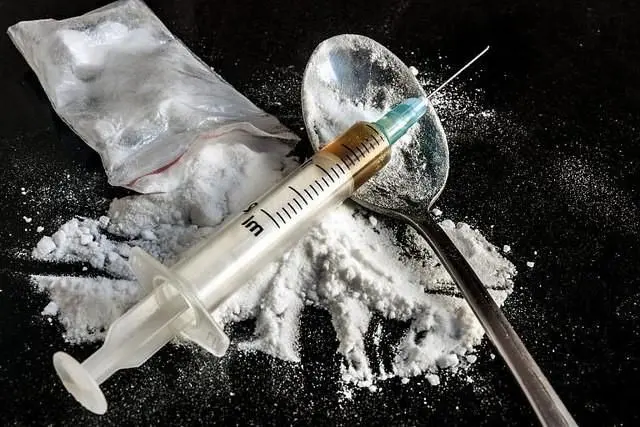
A Needle and Syringe Programme (NSP) does not promote drug use, says Assistant Minister for Health and Medical Services Penioni Ravunawa.
Mr Ravunawa said the programme was instead intended to reduce harm and help curb the transmission of HIV and other blood-borne infections.
He made the comments during International Youth Day and the launch of the University of Fiji HIV Prevention Campaign at the UniFiji campus in Saweni, Lautoka, yesterday.
Related stories
Mr Ravunawa said recent national discussions had highlighted the significant contribution of needle and syringe sharing to new HIV infections.
“This requires a public health response based on evidence rather than fear. “
He said this was why the Government was progressing the introduction of a Needle and Syringe Programme as a harm-reduction and public health intervention.
“Let me be clear:
“A NSP doesn’t promote drug use. It is designed to reduce harm, prevent the sharing of contaminated injection equipment, and reduce the transmission of HIV and other blood-borne infections.
“It must form part of a wider response involving counselling, HIV testing, treatment, safe disposal, rehabilitation pathways, peer support, community education, and appropriate engagement with law-enforcement agencies. “
“We cannot ignore risky behavior simply because it is uncomfortable to discuss. Our responsibility as a government is to protect life, prevent disease, and reduce harm. “
Mr Ravunawa also urged young people to know their HIV status.
He said his strongest message to young people was simple:
“Know your status
“HIV testing must become a normal and responsible part of healthcare. There should be no shame in getting tested and no stigma attached to knowing your status.
“If you are negative, take the necessary steps to remain negative.
“If you test positive, seek early treatment. With modern antiretroviral treatment and appropriate care, people living with HIV can live long, healthy, and productive lives. “
Mr Ravunawa said stigma and discrimination remained among the biggest barriers to Fiji’s response to HIV.
“We must also confront one of the greatest barriers to our national response: stigma and discrimination. “
“Fight HIV. Fight misinformation. Fight stigma but never fight the person living with HIV,” he adds.