PM rejects militarisation claims over Ocean of Peace agenda
He says Fiji will continue working with regional partners while advancing the Ocean of Peace initiative.
Thursday 24 September 2026 | 12:00
Updated 24 September 2026 | 13:43 FJT

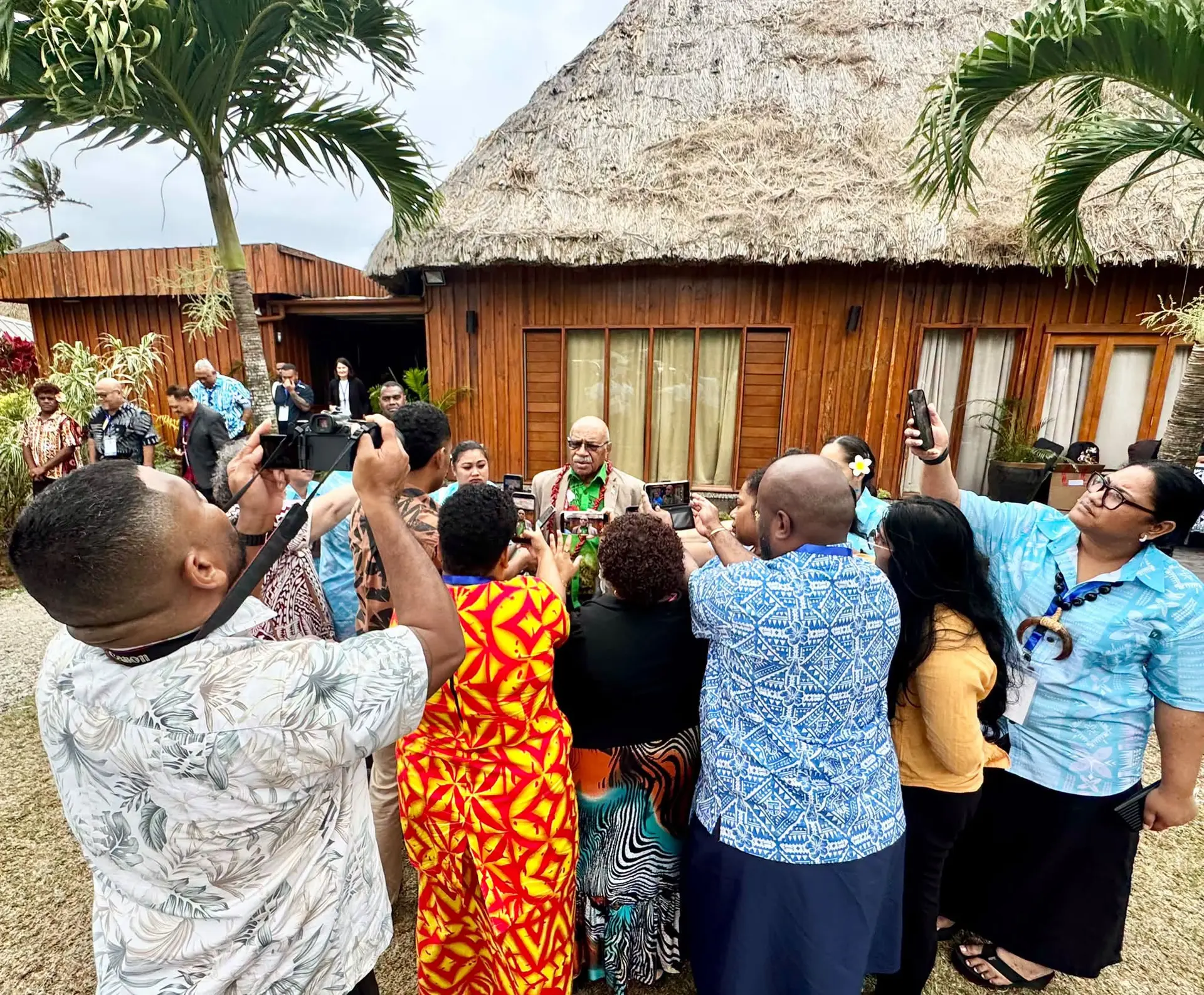
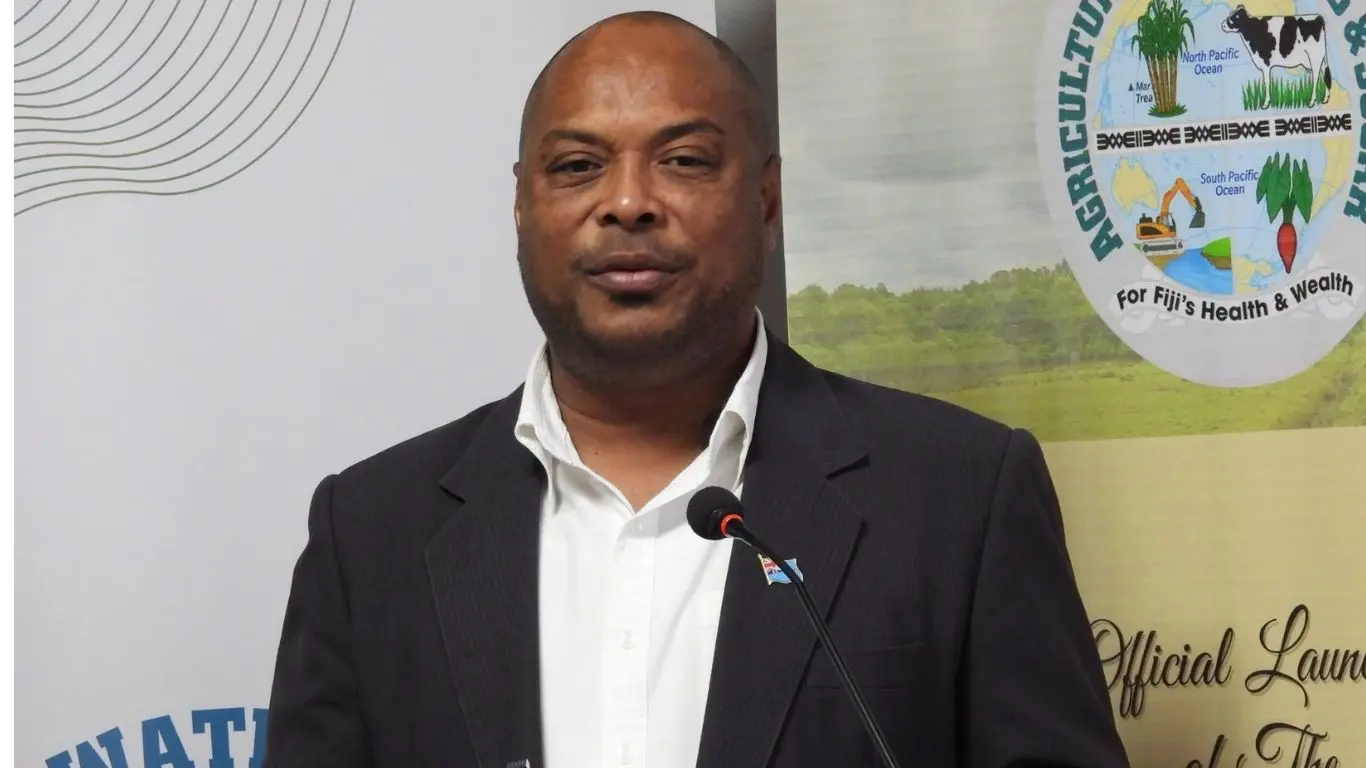
Prime Minister Sitiveni Rabuka speaking with reporters at Wasawasa Resort in Savusavu on September 23, 2026.
Photo: DEPTFO News
Prime Minister Sitiveni Rabuka has dismissed claims that some forms of militarisation are affecting the Ocean of Peace agenda, assuring that Government remains committed to promoting peace in the region.
Mr Rabuka responded to questions from this masthead in Savusavu yesterday during a press conference. He officially opened the Pacific Islands News Association (PINA) media summit at Wasawasa Resort.
Mr Rabuka questioned who was behind such claims, saying Pacific people wanted peace and that this was why his Government remained committed to the Ocean of Peace agenda.
Related stories
Ocean of Peace to the world
Mr Rabuka reiterated that the Ocean of Peace initiative aims to gain global recognition.
He revealed that Minister for Foreign Affairs and External Trade Sakiusa Ditoka, who is in New York, United States, had met with the Russian Minister for Foreign Affairs.
“The Russian Minister wants a bilateral meeting with Mr Ditoka and some of the Pacific leaders,” he said.
“I asked him (Mr Ditoka) just to convey to him (Russian Minister) our wish and our prayers that the concept of the Pacific being a region, an ocean of peace, could be spread to the rest of the world.”
The Prime Minister said they would pursue enhanced bilateral agreements to promote the Ocean of Peace.
“What we are most interested in at the moment is to create a sense of peace, comfort and security among our Pacific nations,” he said.
He acknowledged Australia and New Zealand for being at the forefront of efforts to achieve the Ocean of Peace goal.
When asked about the Vuvale Partnership with Australia and whether Australian military officials would be embedded in Fiji’s military, Mr Rabuka said this would only be required in situations involving transnational crime, such as drug trafficking.
“Unless only this, otherwise there is no need for it,” he said.
On strengthening Fiji’s borders against drug trafficking, following previous drug hauls amounting to billions of dollars, Mr Rabuka reaffirmed the Government’s commitment to working with bilateral partners in the fight.
“We are talking to them constantly, what more depends on what the country, or the host country, will ask for,” he said.
“That is up to us to work out what else, and where else can our development partners, particularly regional partners, come in and assist in our fight against transnational crimes.”