Speakers call for Fiji’s coup immunity to be removed
They question provisions covering immunity, the potential extension of its duration and restrictions on court challenges.
Friday 16 October 2026 | 05:00
Updated 16 October 2026 | 13:06 FJT

Fiji’s coup immunity should be removed or, at the very least, prevented from expanding, several speakers told the special committee yesterday.
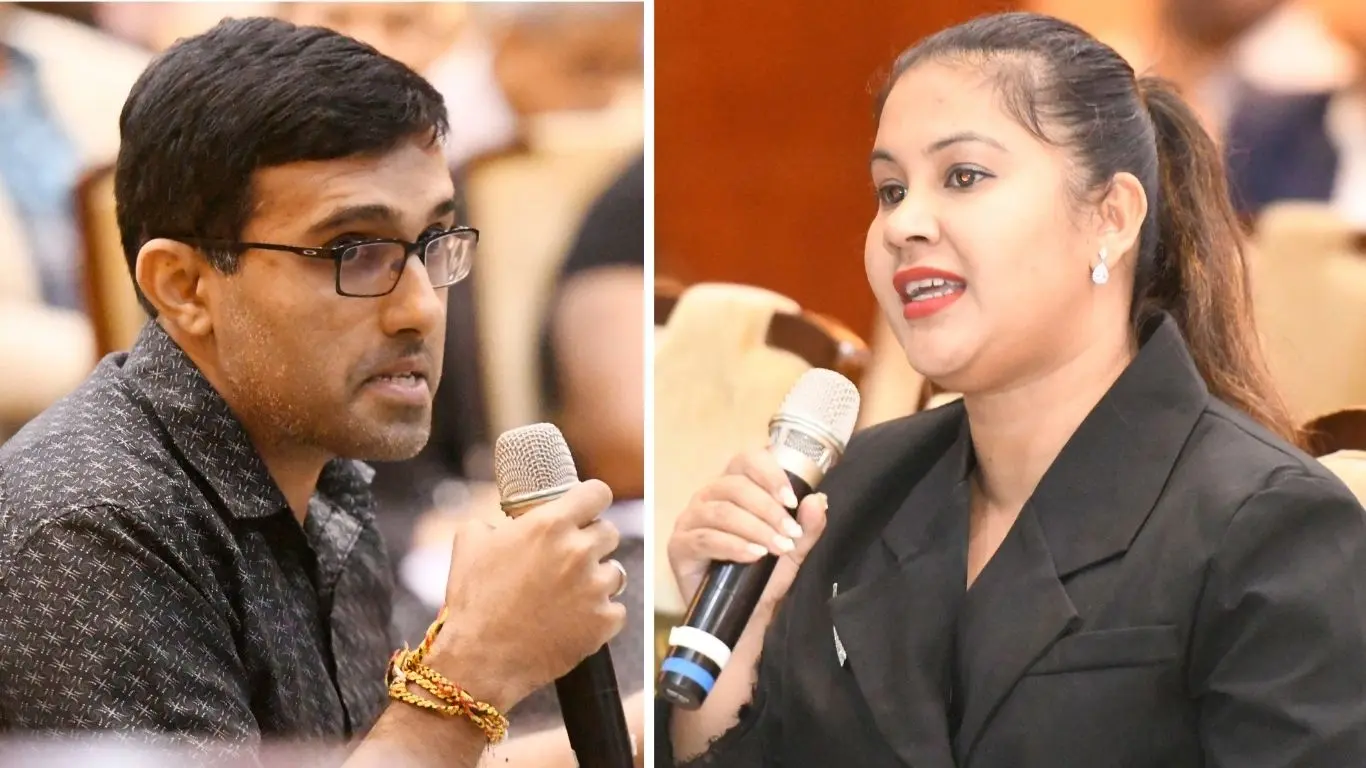
Office of the High Commissioner for Human Rights representative Releshni Karan, lawyers Samuela Savu and Gavin O’Driscoll, Fiji Women’s Rights Movement executive director Nalini Singh and youth representative Nitish Sharma raised concerns about Chapter 14 of the Constitution Amendment Bill 2026.
Ms Karan said Sections 204 to 207 went further than the 2013 Constitution.
Related stories
She raised three concerns:
- Immunity now covers police and corrections officers and institutions not linked to past coups.
- Section 206 could extend the end date to the first sitting of the next Parliament, potentially in 2031. This could mean about 25 years of protection dating back to 2006.
- Section 207 prevents courts from hearing challenges to immunity.
Ms Karan said the Bill established a new framework, meaning “there is no legal requirement to include immunity”.
She said the Constitution Review Commission, the military commander and three Universal Periodic Reviews in 2014, 2019 and 2025 had all recommended removing immunity.
Mr O’Driscoll said immunity “encourages people who may be thinking about doing the same thing in the future”.
Mr Savu said the October 6, 2014, end date stated in the explanatory notes should be included in the Constitution. Otherwise, he said, people could believe the Government was trying to extend immunity.
Mr Sharma said: “It can remain, just no further entrenchments.”
Ms Singh called for a ban on future immunity for anyone involved in unconstitutional seizures of power.
Prime Minister Sitiveni Rabuka has said immunity would remain because of a Supreme Court directive. However, the court’s advisory opinion last year said the amendment provisions did not extend to the immunity section.
Referendum: Meanwhile, Kiran Khatri told the special committee that the Constitution Amendment Bill could make this “the last referendum ever”.
Mr Khatri, who said he was speaking for himself and “maybe my friends on Facebook”, argued that the Bill would prevent referendums on future constitutional changes.
“Only 55 people in a room will decide the fate of the constitution in future,” he said.
Party lines: Mr Khatri criticised MPs who could not vote against their parties.
He said such MPs “become puppets of their party”.
Senate: Mr Khatri opposed retaining or establishing a Senate, citing the country’s debt burden.
“Fiji Government is in a lot of debt. We don’t want to increase the burden on the taxpayers by putting a senate,” he said.
Mr Khatri said the Bill contained spelling and grammatical errors.
“The policies can be different, but at least get the grammar and spelling right,” he said.
Hospitals: A speaker identified only as Krishna said ministers, MPs and their immediate families should use government hospitals, including the Colonial War Memorial Hospital (CWM).
He said ordinary people paid taxes but could not access the same medical facilities.
Suva seats: Suva City Council special administrator Josaia Gonewai said Suva had about 102,000 people and should have about five parliamentary seats.
Mr Khatri said “putting the word Christian in the Constitution would not solve our problems”.
Mr Gonewai disagreed, saying the preamble should state that governance “should be based on Christian principles, values, ethics, and practice”.
Feedback: kaneta.naimatau@fijisun.com.fj