‘There’s no coming back’: Sharma warns on 1.5°C
A new United Nations Environment Programme report, Limiting Overshoot, says there are "no good outcomes above l.5°C".
Wednesday 07 October 2026 | 11:00


From left - Kiribati Minister for Women, Youth, Sport and Social Affairs Ruth Cross Kwansing, Pacific Islands Students Fighting Climate Change engagement outreach lead Abdul Shaheed, Pacific Community (SPC) Human Rights and Social Development director Miles Young, Pacific Islands Climate Action Network international policy lead Dr Sindra Sharma and Reverend James Bhagwan General Secretary of the Pacific Conference of Churches Secretariat.
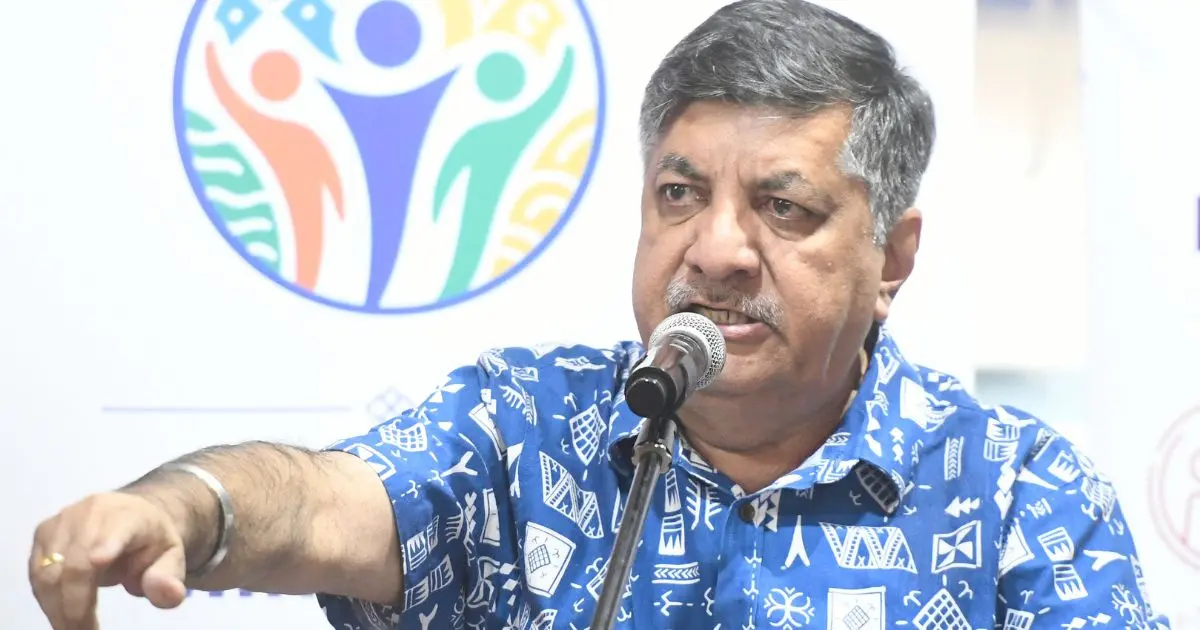
Fijian scientist Dr Sindra Sharma warned yesterday at PreCOP31 in Nadi that the world will cross the l.5°C warming limit because the remaining carbon budget will not last until 2030.
Dr Sharma who is the international policy lead for the Pacific Islands Climate Action Network said human-caused warming has already reached l.37°C.
"We have already been impacted at this level of warming," Dr Sharma said.
Related stories
In simple terms, l.5°C is the limit on how much hotter Earth should get compared with the period before industries began burning coal and oil, as set by the Paris Agreement.
Beyond it, storms, floods and rising seas are expected to worsen.
Dr Sharma said climate models give only a 50 per cent chance of staying within l.5°C.
She added that "overshoot" - going above the limit and later coming back down - is not guaranteed.
"There's no coming back," she said.
A new United Nations Environment Programme report, Limiting Overshoot, says there are "no good outcomes above l.5°C".
It warns that some small island states could be partly or fully submerged.
Even Fiji's higher islands are exposed because so much of the country sits near the shore. University of Fiji's Dr Shobha Maharaj contributed to the report.
Minister for Rural and Maritime Development and Disaster Management Mosese Bulitavu said Fiji's position "has always been 1.5".
He said the brunt "will be faced by us in the Pacific" and some islands could be "underwater in the next few years".
Environment and Climate Change Permanent Secretary Dr Sivendra Michael earlier said exceeding l. C within five years was "significant, if not likely".
Targeted attack
Dr Sharma said a "targeted attack" on Intergovernmental Panel on Climate Change (IPCC) science was under way before COP31 in Antalya, Ttirkiye, in November.
Dr Michael said last week some countries wanted other bodies to guide decisions instead.
Pacific Island Students Fighting Climate Change director Vishal Prasad said l.5°C was the International Court of Justice's "legal red line".