‘You don’t need Parliament to make a difference’
For Kava Masilagi, leadership starts closer to home through service, small community projects and being connected to the people around her.
Tuesday 25 August 2026 | 09:30
Updated 25 August 2026 | 11:09 FJT
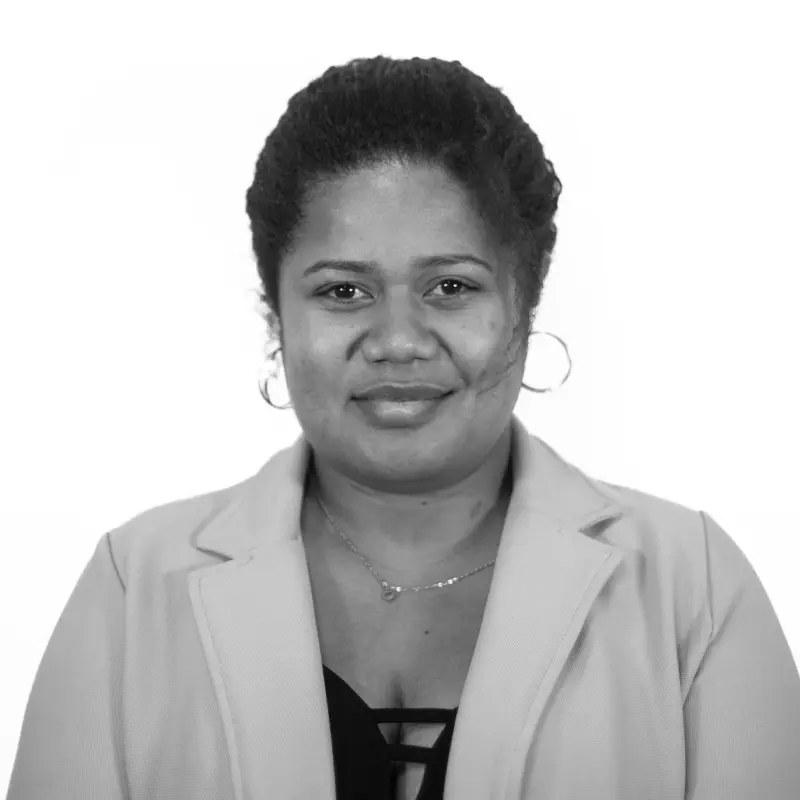
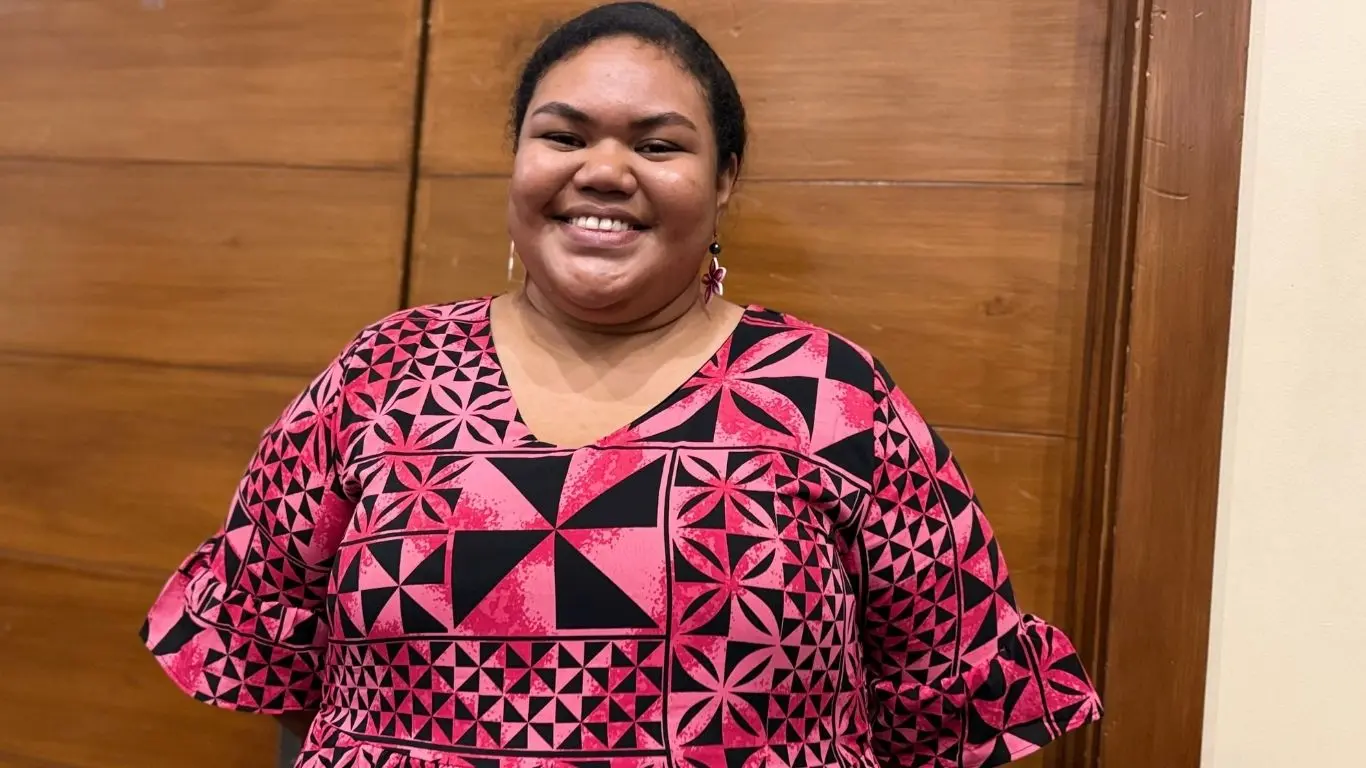
At 26, Kava Masilagi is already involved in Fiji’s political space, but she does not believe she needs a seat in Parliament to make a difference.
For the Nadarivatu woman, leadership starts closer to home through service, small community projects and staying connected to the people around her.
“Sometimes you achieve more change by working outside,” she said.
Related stories
“It’s the little things that you do in your community, maybe a project or an initiative, but it’s those things that really encourage people to think differently and bring out the best in society.”
While some may see her as a potential future political candidate, Ms Masilagi said her focus remained on serving and empowering communities.
“It doesn’t have to be in Parliament or in politics. I’m passionate about community work and working with the community.”
Grandfather shaped leadership
Ms Masilagi’s interest in politics began early.
As a primary school student, she spent time watching parliamentary proceedings, while political discussions were also common at home.
But she said she was never encouraged to pursue politics.
Instead, it was her grandfather who helped shape her understanding of leadership, resilience and service.
“When it comes to resilience, leadership, and community service, I am inspired by my grandfather who, despite not completing his studies, tried to find ways and means to make things work for him and his family,” Ms Masilagi said.
She attended Drasa Avenue Primary School before moving to Natabua High School, where she spent three years. She later completed her secondary education at Adi Cakobau School.
Masilagi graduated from the University of the South Pacific with a bachelor’s degree in law and politics.
She now works as an ethnographic officer with the iTaukei Trust Fund Board while pursuing postgraduate studies in International Affairs.
Her active involvement in politics began in 2021, when a friend invited her to join the People’s Alliance Youth League.
“To say that I would have thought back then that I am where I am today, is something that’s taken me completely by surprise,” she said.
‘We need more’ women leaders
Ms Masilagi believes Fiji needs more women in leadership, but she does not see women in leadership as something new.
“I think women in leadership is great, and we need more of it,” she said.
“It’s really a restoration, restoring how society sees women, how we value women, and recognising that women do belong in leadership,” she said.
For young women considering leadership roles, Ms Masilagi said their cultural identity and lived experiences should be sources of strength.
“There’s so much about ourselves, not only our lived experiences, but who we are in our communities,” she said.
“All these things shape who a person is. If you really embrace that and recognise how that empowers you, it can fuel you towards success.”
She rejected the notion that culture had to be a barrier to leadership, saying strong community connections could instead propel people towards representation.
“You need to be connected to your community, and you need to have a community. A village not only builds a person, but it also propels a person into representation and power.”
Build leadership through service
Ms Masilagi also addressed perceptions surrounding women’s support for female candidates.
“Women have been conditioned to believe that they can’t make decisions and therefore shouldn’t have decision-making powers,” she said.
“That’s simply not true.”
She said women seeking leadership roles could build confidence and support by first establishing themselves through service in their communities.
“People are going to gravitate towards who they see as a good leader,” she said.
“I think that’s something that women can capitalise on. Build yourself as a leader in your community and that’s going to work wonders for you.”
For Ms Masilagi, meaningful leadership comes back to community, identity and service, whether that journey eventually leads to Parliament or not.