Warnings alone cannot reduce Nadi flood impact
For Ms Naulu, flooding is no longer something communities should simply accept as a consequence of heavy rain.
Monday 07 September 2026 | 07:00

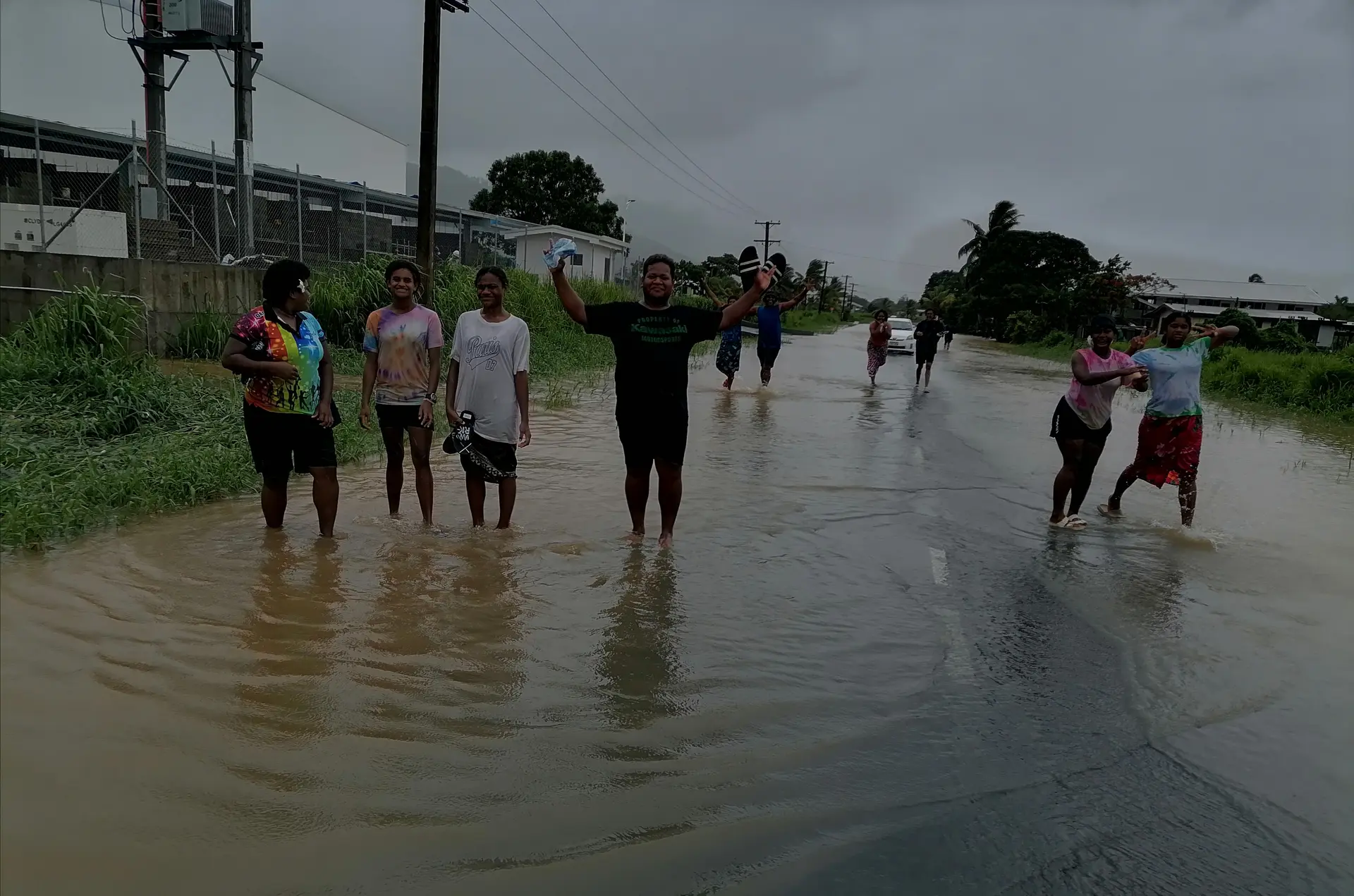
Mr Vereivalu said inadequate drainage and development that did not sufficiently account for flood modelling could worsen flooding.
For Narewa, Nadi, resident Evisake Naulu, 64, prolonged heavy rain brings more worry than relief from the humidity.
Living in one of Nadi’s flood-prone, low-lying areas, Ms Naulu said persistent rain immediately put families on alert.
“When we see rain continuing for hours, people start checking the drains, moving things off the floor, lifting furniture and appliances, and making sure children and elderly family members are safe,” Ms Naulu said.
Related stories
“Some families have to leave their homes temporarily if the water level gets high. We go to the nearest evacuation centre for safety.”
For Ms Naulu, flooding is no longer something communities should simply accept as a consequence of heavy rain.
She said its effects went beyond flooded roads and homes, disrupting schooling, work and transport, while threatening food supplies, electricity and household belongings.
“The biggest impact is that normal life comes to a standstill. Children may not be able to get to school, people struggle to get to work, vehicles cannot move freely, and families worry about food, electricity and damage to their belongings.
“After water recede, the work does not end. We are left cleaning mud and dirty water from our homes, washing everything and trying to recover whatever was damaged,” she said.
Ms Naulu said communities needed more than warnings and alerts during periods of heavy rain.
“We know heavy rain is beyond anyone’s control, but better drainage, regular maintenance and proper long-term flood protection would make a huge difference for communities like ours,” she said.
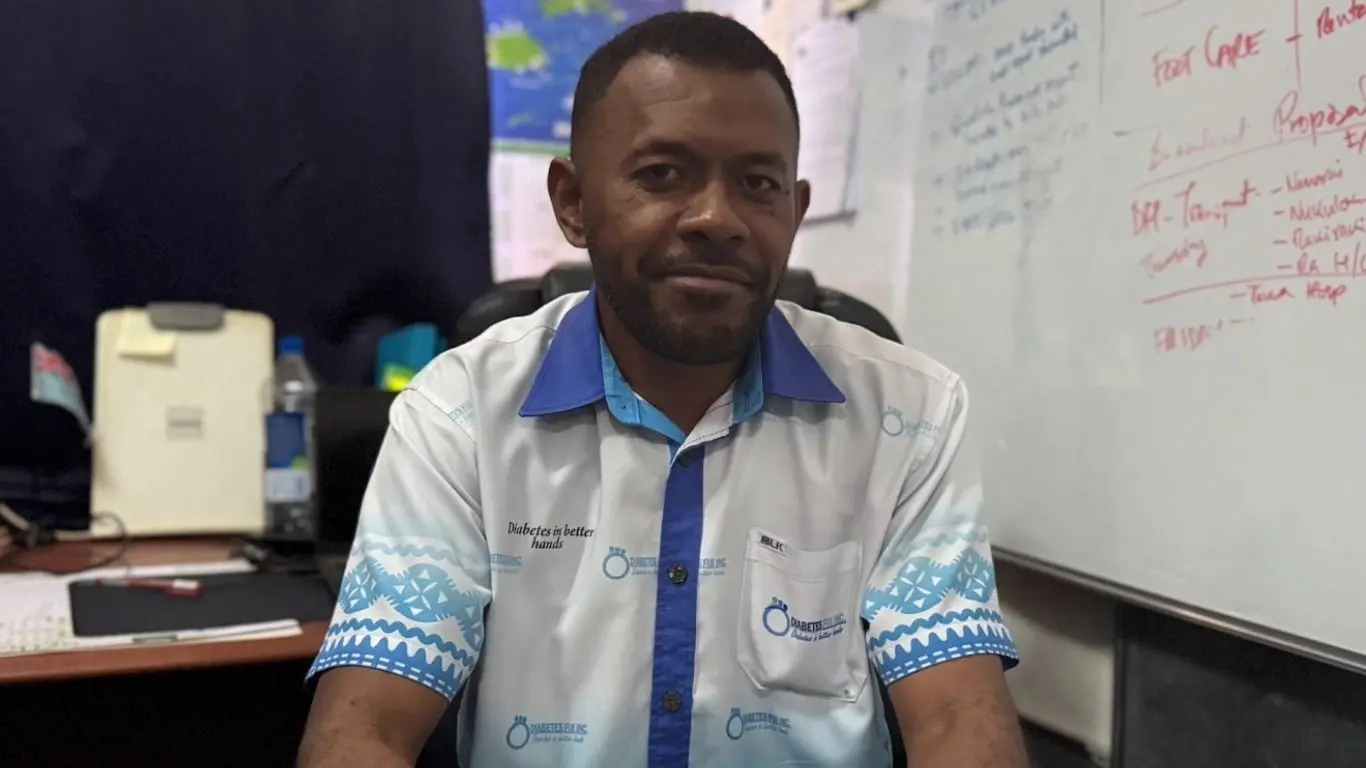
Fiji Meteorological Service principal scientific officer hydrology Viliame Vereivalu said reducing the impact of flooding could not be left to the weather service alone.
“When you want to mitigate a disaster, it’s not only from the weather provider, it’s a holistic approach, where the community needs to be aware of this and the consequences of not following the warnings from the weather provider,” Mr Vereivalu said.
He said weather warnings needed to be backed by stronger awareness programmes for communities, villages, urban areas and workplaces.
“The warning must be simple and understandable, and that enabled the National Disaster Risk Reduction and Management Office (NDRMO) to help them to deal with the communities on what action needs to be taken before the events happen.”
Mr Vereivalu said communities also needed to understand that catchments responded differently to rainfall and that water levels could rise quickly in some areas.
He identified drainage and development planning as key areas needing attention, particularly in urban centres such as Nadi and Ba.
“When you look at Nadi, mostly within the town, it inundates during a heavy rain, and most of the time 30 minutes after a heavy rain, it’s affected,” he said.
Mr Vereivalu said inadequate drainage and development that did not sufficiently account for flood modelling could worsen flooding.
“In other countries, they include flood information and flood modelling in the planning process. Whenever there is a development, they look at whether the area is affected by flooding and whether the development will affect the flow of water over the land.”
“If Fiji includes flood information in its policies, land-use planning and development approvals, I think it will help, but it will not eradicate flooding in all of these areas,” he said.