5000 people in Fiji may be living with HIV without knowing it
The Joint UN Programme on HIV/AIDS (UNAIDS) estimates that about 8900 people were living with HIV in Fiji in 2025.
Monday 27 July 2026 | 18:00

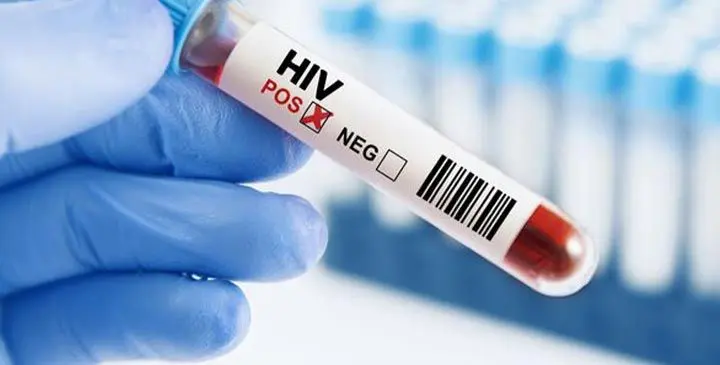
An estimated 5000 people in Fiji could be living with HIV without knowing it, as health officials race to identify undiagnosed cases amid what has been described as the world's fastest-growing HIV epidemic.
The Joint United Nations Programme on HIV/AIDS (UNAIDS) estimates that about 8900 people were living with HIV in Fiji in 2025. However, the Ministry of Health and Medical Services has confirmed only 2016 cases, leaving thousands of people who may be carrying the virus without diagnosis or treatment.
Dr Emily Tuirara, Prevention Lead for the National Outbreak Response Taskforce within the ministry's HIV Unit, said the gap underscored the urgent need for more people to come forward for testing.
Related stories
"From 2022 to 2025, we saw a 300 per cent increase in HIV cases. That alone speaks of the gravity of the HIV crisis in our country.
"The increasing numbers also show that more people are coming forward for testing and treatment," she said.
Before 2022, Fiji's HIV epidemic was classified as low prevalence. It was reclassified as a concentrated epidemic in 2023, meaning infections were largely confined to specific population groups.
By 2025, the epidemic had become generalised after HIV infections were detected among pregnant women and babies, indicating wider community transmission.
Dr Tuirara said the rapid rise in confirmed cases reflected the scale of the outbreak.
"From 2019, we had 220 confirmed HIV cases. Between 2022 and 2023, the number increased from 245 to 415. From 2023 to 2024, cases rose sharply from 415 to 1853, before reaching 2016 people living with HIV in 2025.
"Those are only the cases we know about – people who have come forward for testing and treatment. UNAIDS estimates there were about 8900 people living with HIV in Fiji in 2025, which means we have yet to identify around 5000 people who may be living with the virus," Dr Tuirara said.
Assistant Minister for Health Penioni Ravunawa said HIV was both preventable and manageable, and urged people not to avoid testing.
"What we want to tell the public is that HIV is preventable. If you understand how the virus is transmitted, it can be prevented. It is also manageable. Medication and health support are available, and people diagnosed with HIV can live normal lives."
Mr Ravunawa said HIV prevention needed to be openly discussed at every level of society.