Fiji aims to make QR payments work across apps by July 2027
The change is part of wider work to make digital payments easier, faster and safer.
Sunday 15 November 2026 | 12:30


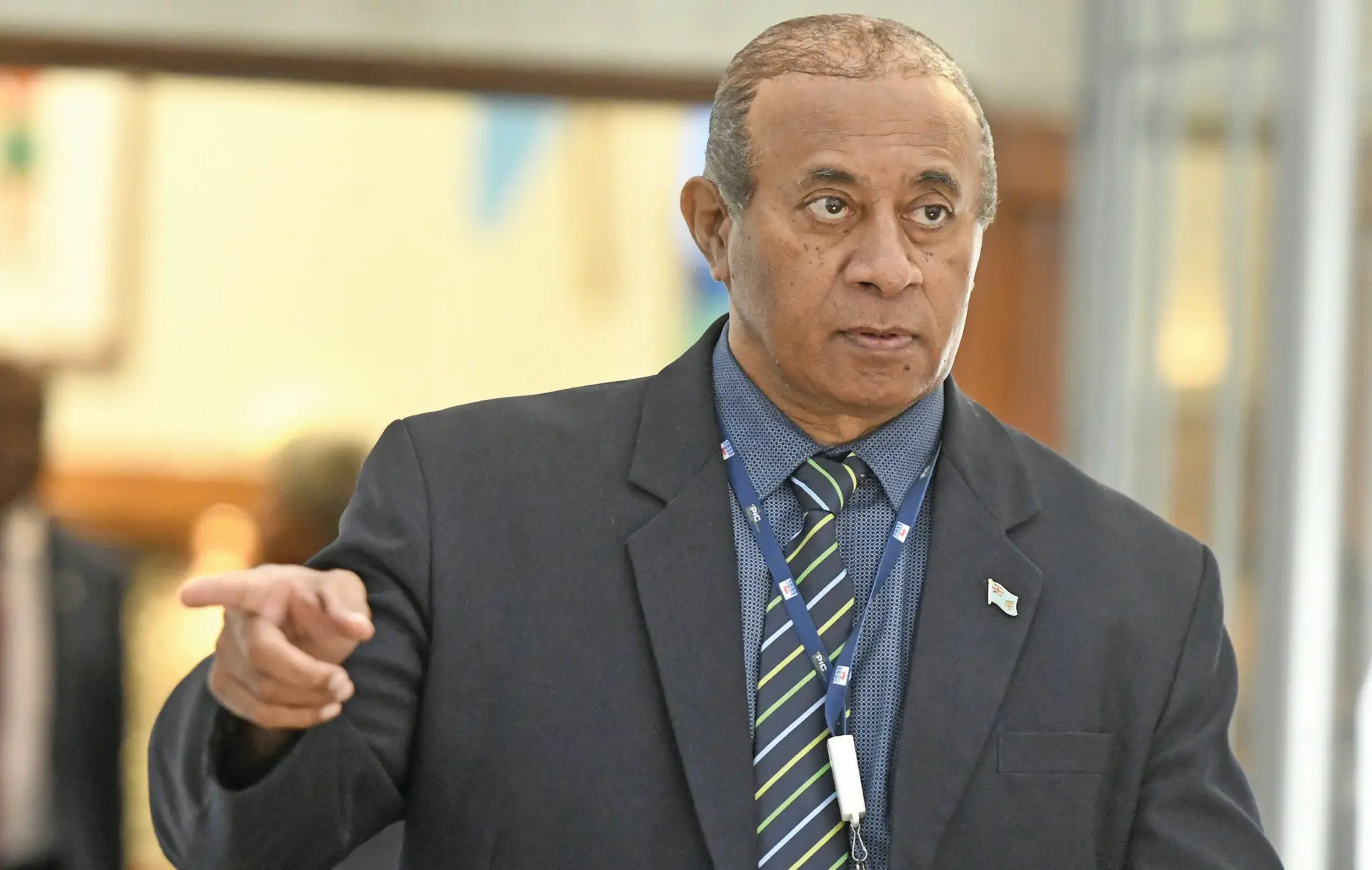
RBF acting chief manager, Information Technology and Payment System Group, Praneel Prasad.
Customers in Fiji may soon be able to use their banking or mobile money app to pay by scanning QR codes from different providers.
The Reserve Bank of Fiji is targeting July 2027 for QR payments to work across different banking and mobile money apps. At present, a Vodafone app may not scan a Digicel QR code, and customers may not be able to use one bank’s app to pay with another bank’s QR code.
“Now, many of you know that if you take a Vodafone app and you try and scan a Digicel QR code, you can't. Vice versa, you can't as well,” RBF acting chief manager, Information Technology and Payment System Group, Praneel Prasad, said during a panel session at the 5th Tech Summit at the InterContinental Fiji Golf Resort & Spa.
Related stories
“You take a Bred QR code, you try and scan a Bred Bank app, and you try and scan a BSP QR code, you can't.”
“We are trying to introduce full interoperability by July next year, so that's one of the key things we are doing right now.”
The change is part of wider work to make digital payments easier, faster and safer. It could give customers more ways to pay and help businesses serve people who use different banking and mobile money apps.
Mr Prasad said Fiji’s National Payment System handled more than $150 billion in transactions each year. Vodafone’s M-PAiSA and Digicel’s MyCash together processed between $7.6 billion and $8 billion in transactions.
“Most of you are M-PAiSA and MyCash users. You transact on a daily basis and your transaction value comes to about $7.6 billion,” he said.
“When you talk about the National Payment System, it transacts over $150 billion. So you can see the context around that.”
The Reserve Bank is also looking at how technology, including artificial intelligence, could help monitor payments and detect fraud.
“Running a payment system which is this large, any single error or any single mishap can be catastrophic, not just for the Reserve Bank in terms of its reputation but also for the nation as a whole,” Mr Prasad said.
“We want to see how further we can work with our technology partners and enhance monitoring, fraud detection, protection and so forth.”
The Reserve Bank is also working with the ministry responsible for policing and communications on Fiji’s National Digital ID. The ID is expected to make it easier for agencies and businesses to provide services and confirm a customer’s identity online.
“I think it is going to bring a huge digital reform in the space of service delivery and in the space of e-KYC, so electronically Know Your Customers,” Mr Prasad said.