State moves to discharge ex-Fiji Airways driver from meth trial
Prosecution says Donumainasava acted as an informant, not a perpetrator
Wednesday 16 September 2026 | 15:00
Updated 16 September 2026 | 17:24 FJT
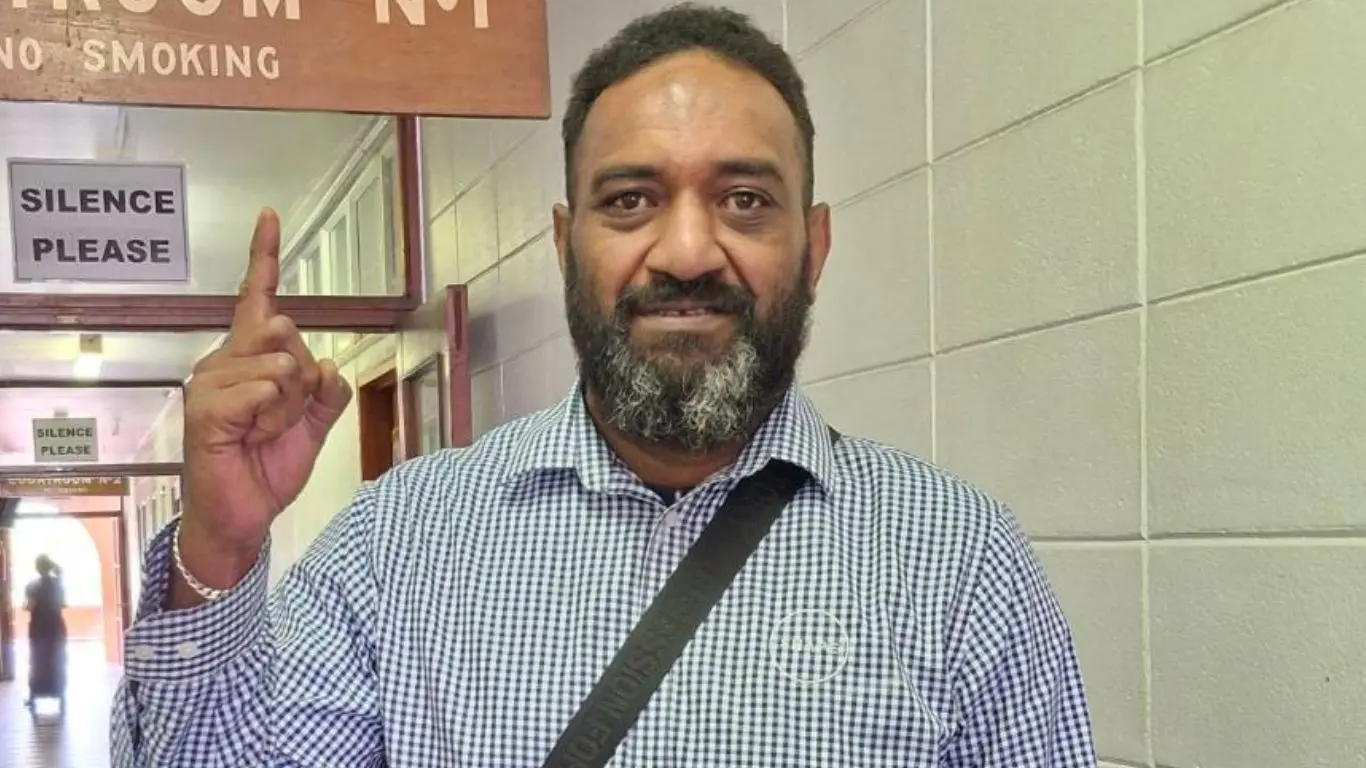
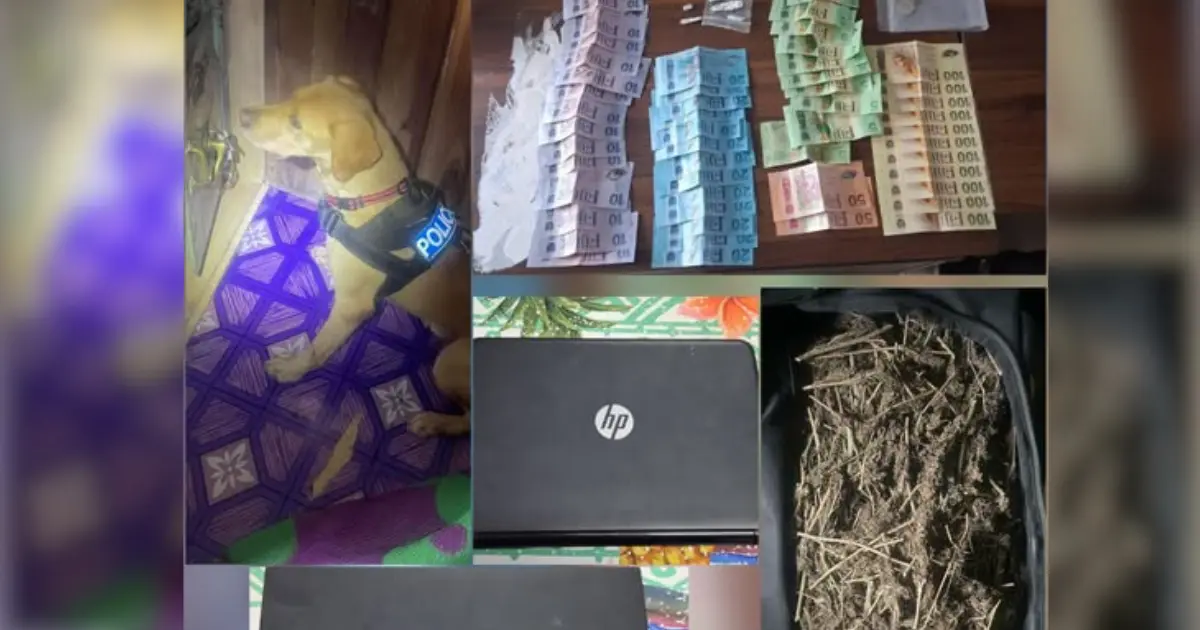
The high-profile 5.36-kilogram methamphetamine trial has taken another significant turn, with the Director of Public Prosecutions moving to discontinue the case against former Fiji Airways driver Neumi Donumainasava.
Donumainasava was among five accused appearing before Justice Aruna Alugthe at the High Court in Lautoka on the third day of the trial.
The five were charged over the alleged importation of more than 5.36 kilograms of methamphetamine.
Related stories
They are former Narcotics police officers Apenisa Matadigo and Uraia Bolalailai, Nigerian national Chukwemeka Phabian, former Fiji Revenue and Customs Service intelligence unit head Osea Raicama Dakai, and Donumainasava.
The State alleges the accused were jointly involved in the unlawful importation of illicit drugs.
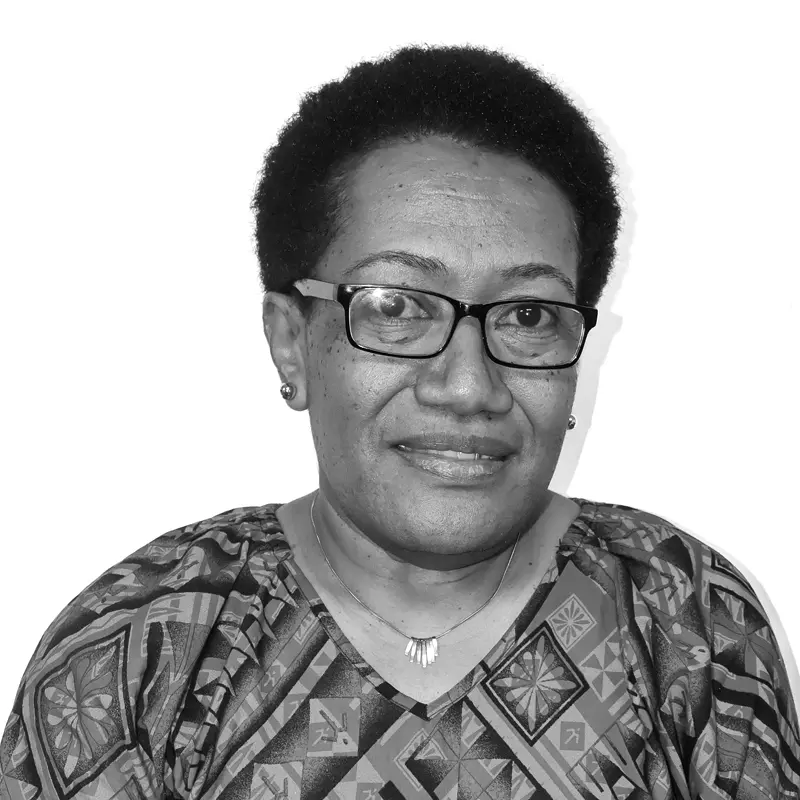
Yesterday, Dakai was discharged after Acting Director of Public Prosecutions John Rabuku entered a nolle prosequi.
The State is expected to formally file a nolle prosequi against Donumainasava tomorrow, effectively bringing the case against him to an end.
Mr Rabuku told the court that the prosecution’s position had changed following the emergence of new police statements that were previously unavailable.
The new material prompted the State to reassess the alleged roles of those involved in the investigation.
In Dakai’s case, the prosecution said the additional statements shed new light on his role, indicating that he had allegedly acted as an information conduit rather than with an intention to participate in the unlawful importation of drugs.
That development subsequently placed Donumainasava’s role under renewed scrutiny.
The court questioned Donumainasava’s involvement following the decision to discontinue the case against Dakai, particularly because of the connection between the two men.
Donumainasava’s lawyer told the court that his client had acted as an informant, passing information between police and Dakai.
The defence maintained that Donumainasava was not involved in the alleged unlawful importation but was instead operating in an intelligence-related capacity.
The State indicated that it was considering the same approach in Donumainasava’s case.
Mr Rabuku said there had previously been insufficient material in the files to independently cross-check Dakai’s account. The position changed after further disclosures were received.
The prosecution subsequently reassessed whether there was evidence establishing the necessary criminal intent.
Controlled delivery under spotlight
The court also heard detailed submissions about controlled delivery operations, evidence disclosure and two connected matters, Case 166 and Case 167 of 2024.
Mr Rabuku explained that the related matters had not been amalgamated and were being treated as a strategic test case.
The court heard that controlled delivery operations can involve authorities substituting seized drugs with a dummy consignment before monitoring the delivery in an attempt to identify the intended recipient.
Mr Rabuku said the related cases involved several of the same accused, although subsequent consignments were not collected following the initial arrests.
He also highlighted the difficulties involved in multi-agency investigations, particularly when new evidence emerges after charges have already been laid.
The prosecution’s decision to discontinue the case against Donumainasava follows yesterday’s discharge of Dakai.
The trial against the remaining accused continues today.