Bailey Bridge trashboom intercepts 3.3 tonnes of waste
Soft plastics made up the largest reported waste category, followed by sanitary waste and polyethylene terephthalate plastics.
Thursday 15 October 2026 | 18:30

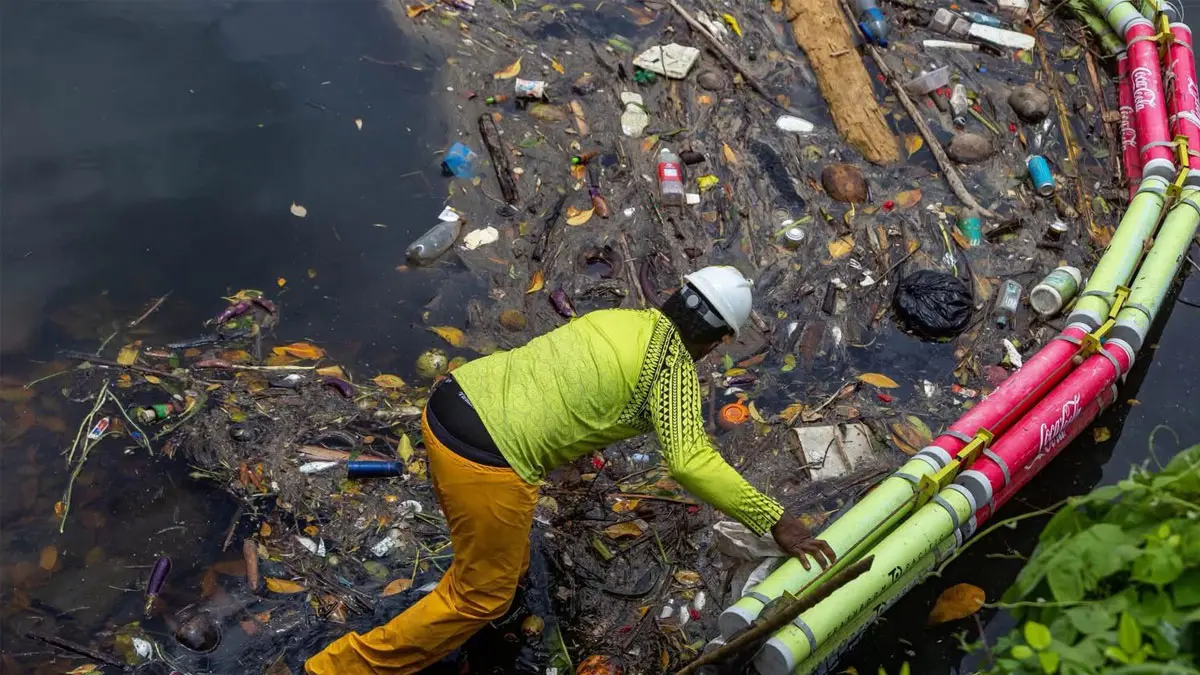
More than 3.3 tonnes of solid waste have been intercepted from waterways at Bailey Bridge in Suva in nearly a year.
More than 3.3 tonnes of solid waste have been intercepted from waterways at Bailey Bridge in Suva in nearly a year.
This highlights the role of upstream waste interception in reducing pollution flowing into Suva Harbour and the ocean.
The TB005 Trashboom System, operated by Trashboom Pacific, intercepted 3,305.82 kilograms of solid waste between its installation on October 8, 2025, and October 14, 2026, through a partnership with Coca-Cola Europacific Partners (CCEP) Fiji.
Related stories
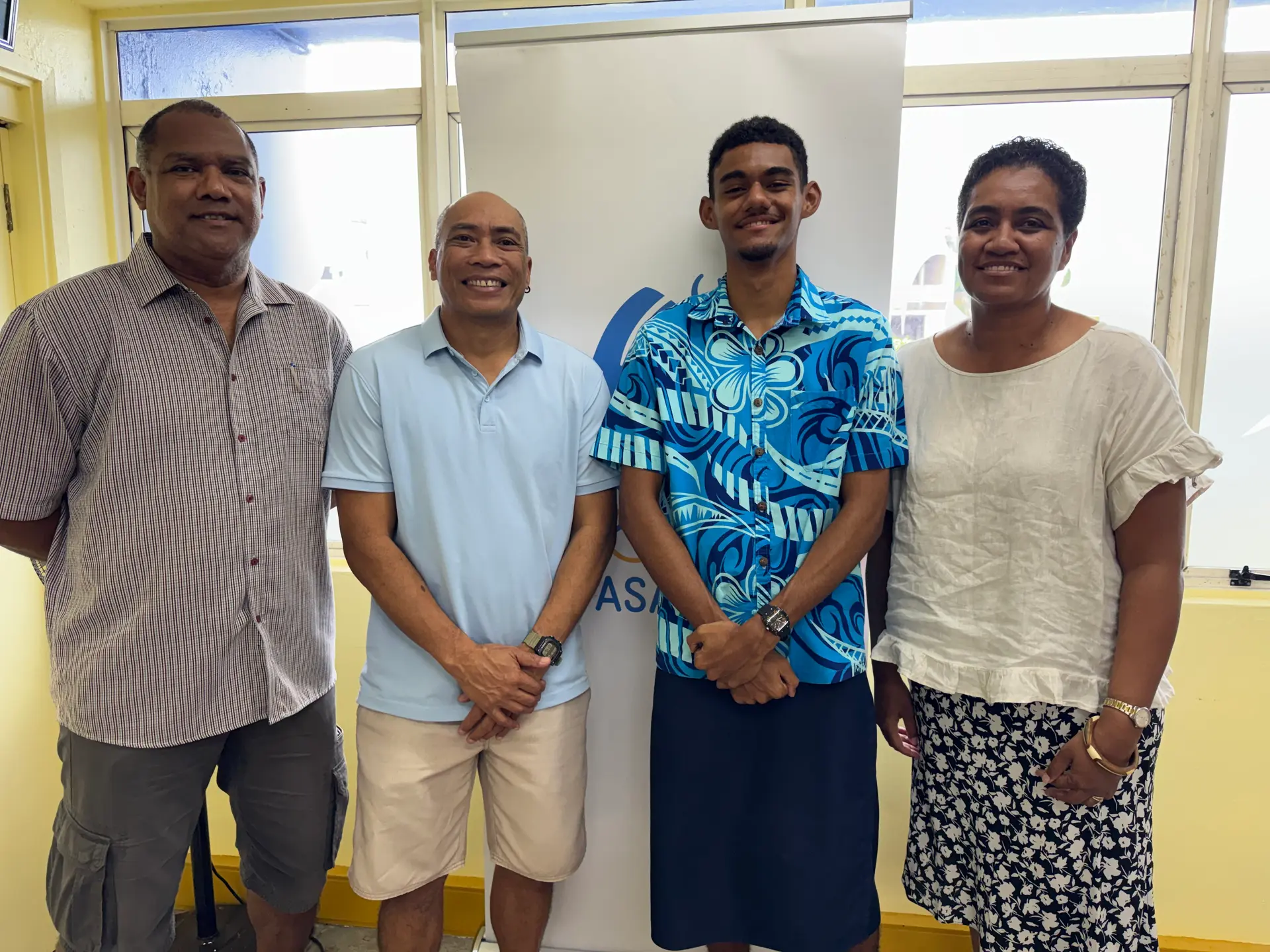
Trashboom Pacific director Wayne Fuakilau said the achievement was made possible through a memorandum of understanding with CCEP Fiji covering the period from 2025 to 2028.
Since its installation, the system has completed 24 collection and clean-up operations, each requiring an average of two to three hours for waste collection, maintenance, sorting, weighing and data analysis.
Soft plastics accounted for the largest reported waste category at 591.14 kilograms, followed by sanitary waste at 434.81 kilograms, polyethylene terephthalate (PET) plastics at 347.91 kilograms and white goods at 185.44 kilograms. Other materials collected included hard plastics, glass, textiles, cans, rubber and foam.
The findings highlight the variety of discarded materials entering waterways and the importance of improving waste collection, disposal practices and pollution prevention.
Soft plastics pose an environmental concern because they can break down into microplastics and nanoplastics, which may enter marine ecosystems and be mistaken for food by marine species. Intercepting waste before it reaches the ocean can help reduce the amount of pollution entering coastal and marine environments.
The initiative also demonstrates the importance of regular monitoring and maintenance in making waste interception effective. Collection records provide data on the types and quantities of waste entering waterways, helping operators assess the system’s performance and identify pollution trends.
The partnership highlights the role businesses can play in addressing the environmental impacts of products and packaging. Under the principle of extended producer responsibility, producers have a role in helping prevent packaging waste from becoming pollution throughout a product’s life cycle.