12 lives lost in structural fires this year
NFA chief executive officer Puamau Tagivetaua Sowane said two fire-related deaths were recorded in 2024, followed by 13 in 2025 and another 12 this year.
Sunday 08 November 2026 | 15:00

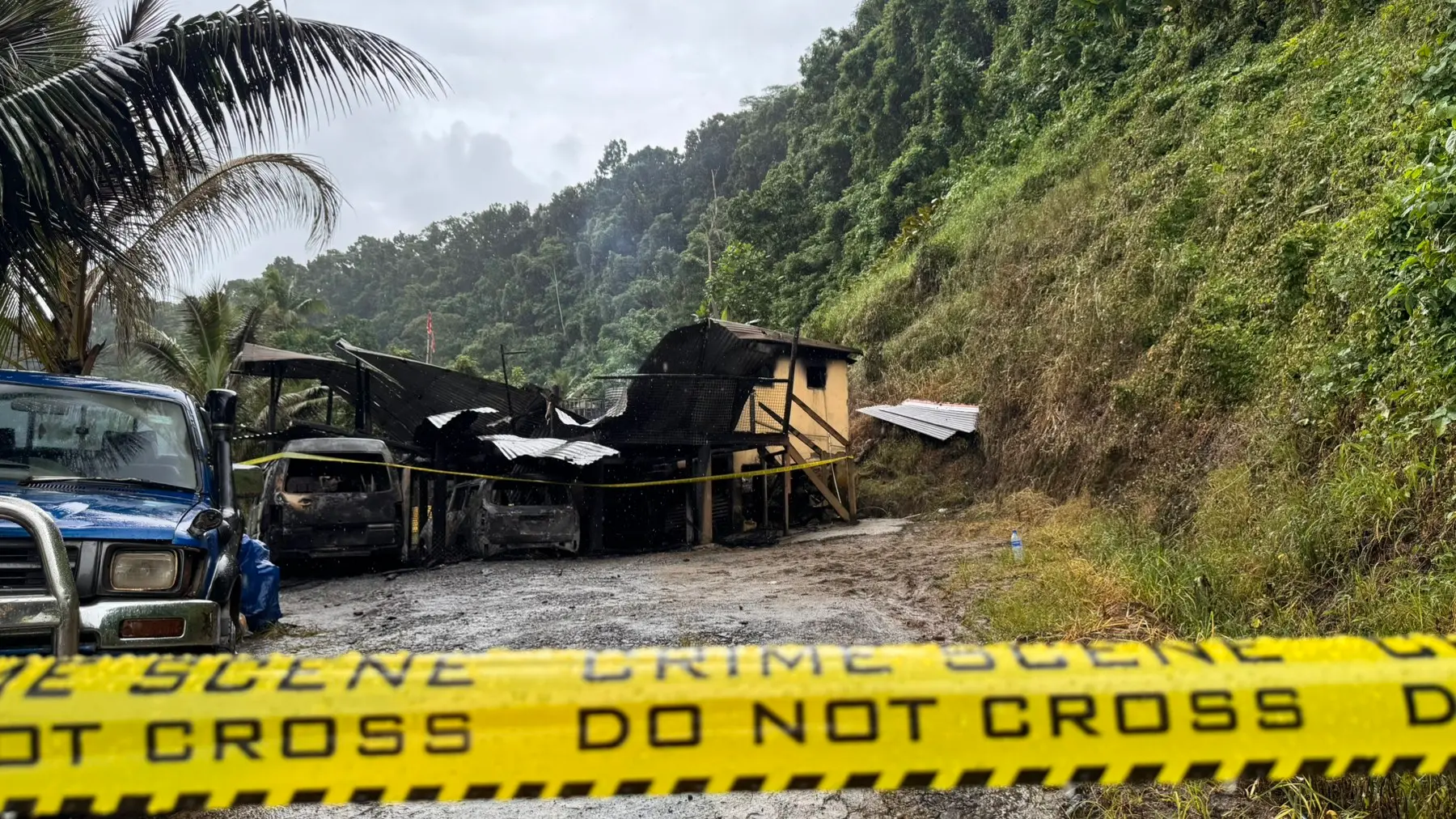
Twelve people have died in structural fires across Fiji so far this year, bringing the death toll to 27 since 2024, with the National Fire Authority (NFA) warning that victims are being trapped inside burning homes with little chance of escape.
NFA chief executive officer Puamau Tagivetaua Sowane said two fire-related deaths were recorded in 2024, followed by 13 in 2025 and another 12 this year.
He said some victims were elderly people who were unable to escape, while others became trapped when fires broke out at night as families slept.
Related stories
In one incident, a man managed to escape a burning house but lost his life after returning inside to rescue his family.
Mr Sowane said the materials used to construct homes were among the factors contributing to the rapid spread of fires, leaving occupants with little time to evacuate.
He explained that fire-rated building materials could provide between one and two hours of fire resistance, giving residents more time to escape and firefighters an opportunity to reach the scene.
However, combustible materials commonly used in homes across Fiji could catch fire and burn quickly, increasing the risk of occupants becoming trapped.
Mr Sowane said NFA's response time was five minutes, although the actual time taken to reach a fire depended on the distance from the nearest fire station and how quickly the emergency was reported.
He urged families to develop household fire emergency plans and identify escape routes before a fire occurred.
Special attention should be given to children, elderly people and those with mobility difficulties who may need assistance during an evacuation.
Mr Sowane said every fire fatality was a devastating loss for families and communities.
He warned that many fire-related deaths could potentially be prevented through safer household practices, better preparedness and greater awareness of escape procedures.