Crops wither, incomes fall as dry spell hits farmers
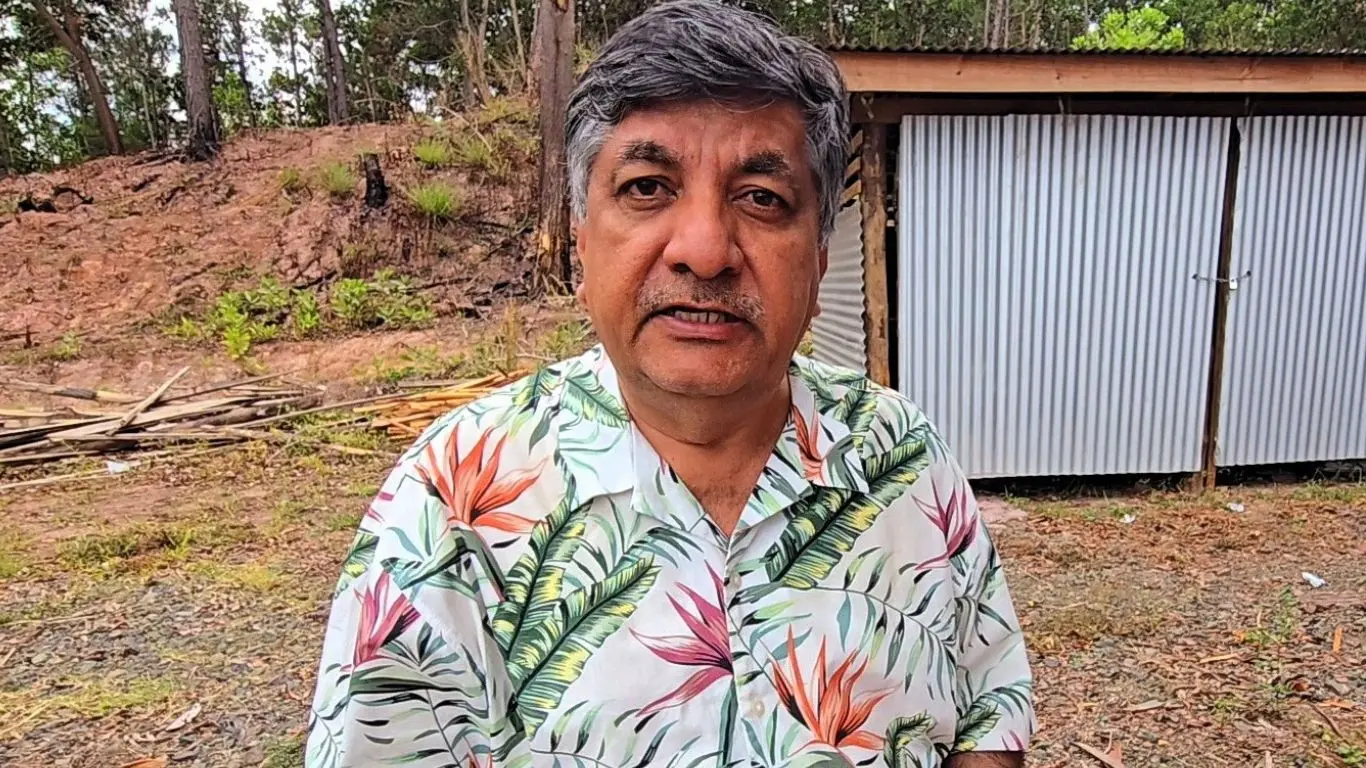
Mr Ram, who had farmed for more than 25 years, said they had experienced dry spells before but expected conditions to worsen.
Friday 30 October 2026 | 09:00

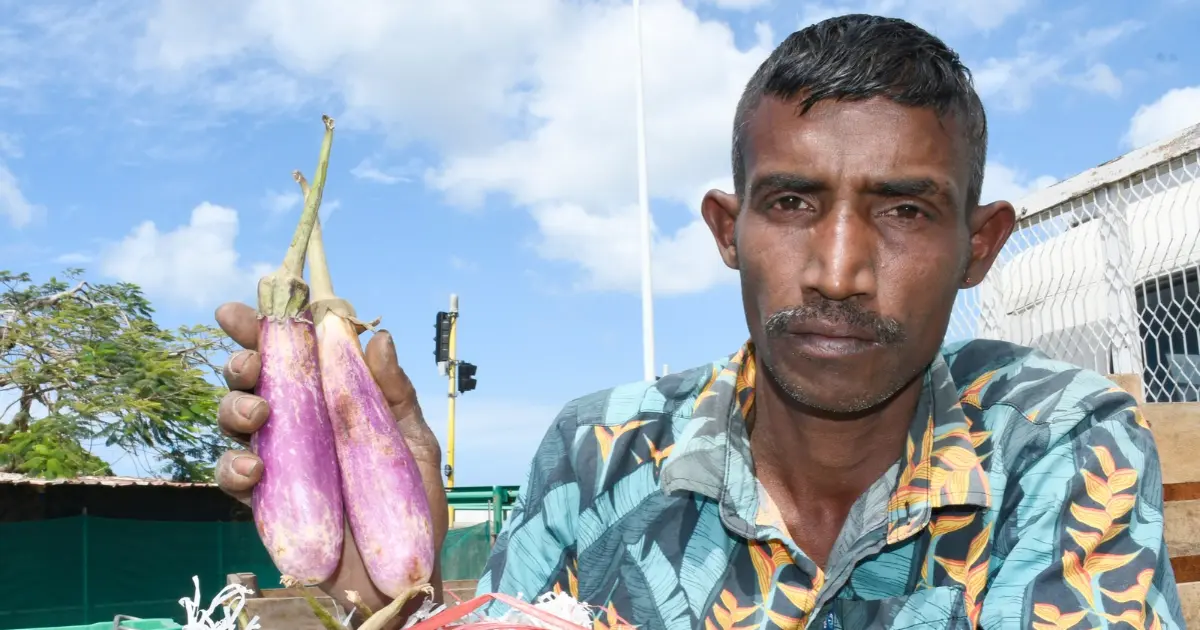
Farmers struggle to protect their crops and provide for their families as water sources dry up and vegetable earnings fall.
For 30-year-old farmer Arvin Ram, every vegetable that withers in the dry soil of Nabaka, Valley Road, represents another loss of income for his family.
With water sources drying up and vegetable prices falling, Mr Ram is struggling to protect the crops he depends on for his livelihood.
Related stories
And with Diwali approaching, he fears the worsening dry conditions will leave him with less money to meet household expenses and pay his farm labourers.
“Since the dry period started, we have been losing at least $1300 from each farm harvest,” he said.
Mr Ram said all 36 vegetable farming blocks in Nabaka were feeling the effects of the dry spell, with farmers increasingly relying on water pumps and drainage water to keep their crops alive.
But even those water sources were drying up.
Having farmed for more than 25 years, Mr Ram said he had experienced dry spells before, but feared conditions would worsen.
The soil was becoming dry and hard, affecting crop growth and the quality of vegetables harvested.
A bag of vegetables that previously fetched $40 was now selling for between $15 and $20.
On a good day, a truckload of vegetables previously earned him about $1500. That figure had dropped to about $500 when production was affected.
Mr Ram grows eggplants, cabbage, tomatoes, dalo and English cabbage, but maintaining the crops has become increasingly difficult without sufficient water.
He has also been forced to harvest some vegetables earlier than planned to prevent them from deteriorating and losing more value.
For farmers like Mr Ram, the dry spell is not only threatening crops but also the income their families depend on.
He warned that continued losses could affect farming households and reduce the supply of vegetables reaching markets.
Mr Ram called on the Government to provide water tanks or drill boreholes to ensure farmers had a reliable water supply for irrigation.
Crops dying before harvest
For 71-year-old Verenaisi Udu, of Nasautabu Village, Valley Road, Serua, the dry spell has brought a different struggle.
After years of growing vegetables to help support her family, Mrs Udu is now watching some of her produce die before it can be harvested.
“Some of my produce dies before it can even be harvested. Only the ones that are fresh and alive I bring to the market to sell so that I can help with my family’s needs,” she said.
Mrs Udu, who began farming after getting married and settling down, grows suki, eggplants, pumpkin, beans and tomatoes.
Income from selling her vegetables helps meet her family's daily needs.
Despite the dry conditions, she said some crops remained healthy.
Water trucks were also supplying her village by filling residents' water tanks.
Mrs Udu said she had not experienced significant changes in the quantity of produce she took to market because she usually sold two types of vegetables at a time, depending on what was ready for harvesting.
More dry weather forecast
The farmers' concerns come as the Fiji Meteorological Service warns of below-normal rainfall across the country.
Its October to December 2026 climate outlook stated that a strong El Niño event was firmly established in the tropical Pacific and was likely to reach very strong intensity, persisting into early 2027.
Below-normal rainfall was forecast across Fiji, including Rotuma, during October and the October-to-December period.
The service reported that much of Fiji experienced below-average to well-below-average rainfall in September, including the Western, Central and Eastern divisions and most of the Northern Division.
Above-average rainfall was recorded at Labasa Airport.
However, the service cautioned that El Niño did not mean rainfall would stop completely, as occasional showers could still occur.
It said conditions would continue to be monitored, with regular updates provided.
For Mr Ram and other Nabaka farmers, the immediate concern is keeping their remaining crops alive and earning enough to support their families.