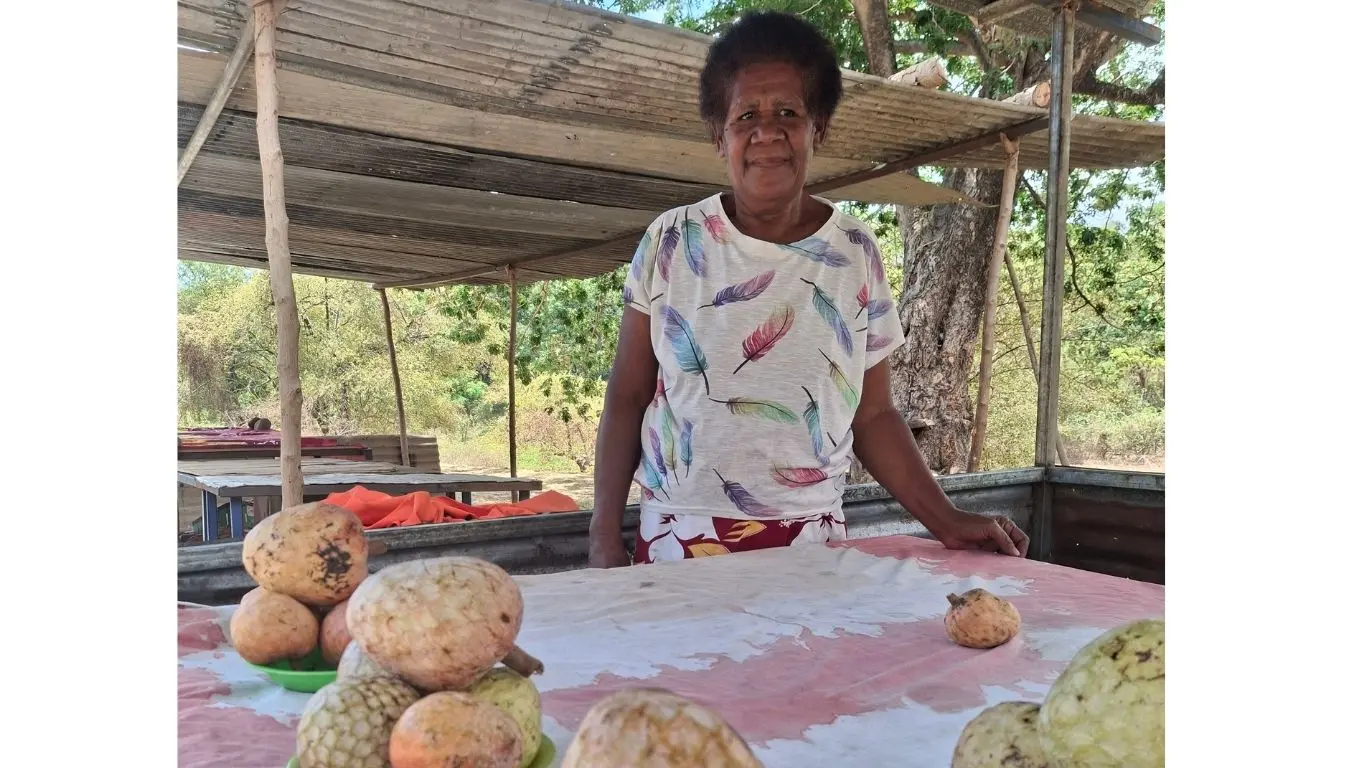
Dry weather tests women’s cooperative nursery
Prolonged dry weather and village water rationing are challenging the Bia-i-Cake Women’s Cooperative as it works to protect seedlings and support local farmers.
Monday 19 October 2026 | 09:30
Updated 20 October 2026 | 12:05 FJT

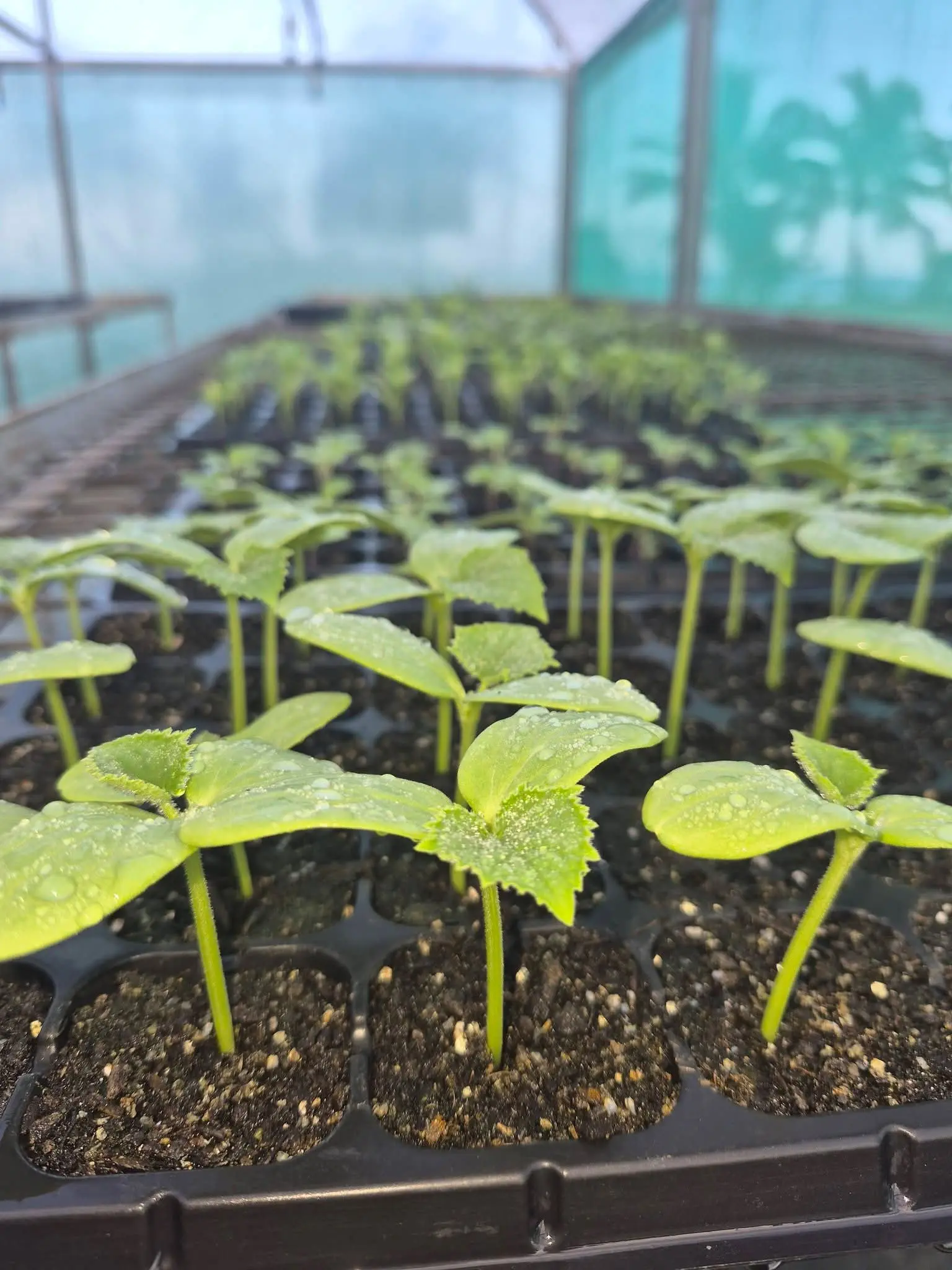
The Bia I Cake Women’s Cooperative nursey at Bia-i-Cake settlement in Nagigi, Savusavu on October 5, 2026.
supplied
Like many farmers across Fiji, the Bia I Cake Women’s Cooperative at Bia-i-Cake settlement in Nagigi, Savusavu, is facing increasing challenges in managing its greenhouse nursery amid prolonged dry weather and excessive heat during the current El Niño conditions.
For the coastal rural community, declining water levels and village water rationing have added to the difficulties.
Cooperative chairperson Alisi Lutu said the greenhouse nursery relied on water shared by the entire village, making it important for members to use the resource wisely.
Related stories
“We’ve experienced some heat and water stress affecting our seedlings, including wilting and discolouration,” Ms Lutu said.
“We’re adapting how we manage watering, minimise wastage and protect our young plants, while continuing to seek technical guidance from our agricultural partners.”
Ms Lutu recently advised farmers in her area to adopt simple measures to protect their crops during hot, dry conditions.
These include watering during cooler hours, mulching to retain soil moisture, providing temporary shade and monitoring plants regularly.
“For rural communities, timely access to weather information and agricultural advice is equally important,” she said.
“The earlier we know what to expect, the better we can prepare and adapt.”

Members of the the Bia I Cake Women’s Cooperative at Bia-i-Cake settlement in Nagigi, Savusavu.
Despite these challenges, the cooperative continues to learn, adapt and grow.
Ms Lutu said seeing the gardens flourish and the farmers make progress gave members hope and reminded them of their original goals: strengthening food security, supporting local livelihoods and building more climate-resilient communities.
Formed during the COVID-19 pandemic in 2020, the cooperative has grown from an informal group of 10 women to more than 20 members.
Last year, it launched a five-year strategic plan aimed at achieving economic sustainability.
The plan was launched by Deputy Prime Minister and Minister for Trade, Co-operatives, Micro, Small and Medium Enterprises and Communications Manoa Kamikamica.
The strategic plan was developed with support from Women’s Fund Fiji (WFF) funding under its women’s leadership thematic area.
The initiative also included the creation of a new logo to symbolise the cooperative’s renewed vision and direction.
Ms Lutu said the cooperative was united by a shared mission of empowering women through sustainable livelihoods, economic independence and community-driven development.
The cooperative established its greenhouse nursery in January 2025, to produce quality vegetable seedlings for local farmers and communities, while creating income generating opportunities for its women members.
“Like every new business, we’ve learnt through trial and error,” Ms Lutu said.
“We celebrated the seedlings that flourished, learnt from those that didn’t, and with every order we became a little more confident.”
She added that continued support from nursery partner British American Tobacco (BAT) Fiji had helped the cooperative develop its nursery through regular monitoring visits, technical advice, nursery supplies and the development of nursery and sprinkler system standard operating procedures (SOPs).
Ms Lutu said the support had encouraged the cooperative to take its next step in developing the nursery.
“We're also excited to see the progress of one of our customers from Nacekoro, near Savusavu Town, who purchased six trays of mixed vegetable seedlings from our greenhouse nursery, including capsicum, Chinese cabbage, cucumber, tomatoes and lettuce,” she said.
“Having already enjoyed his first harvest, he is now growing his second batch towards another harvest.
“For us, seeing our seedlings grow into thriving vegetable gardens is incredibly rewarding."
She said its a reminder that their little nursery was contributing to food security and supporting farmers beyond their own community.