Fiji, Pacific hold their ground on fossil fuels as COP31 talks run into overtime
The Associated Press reported that the revised draft still omitted an explicit reference to fossil fuels while retaining a provision on capturing and storing carbon emissions.
Sunday 22 November 2026 | 18:00

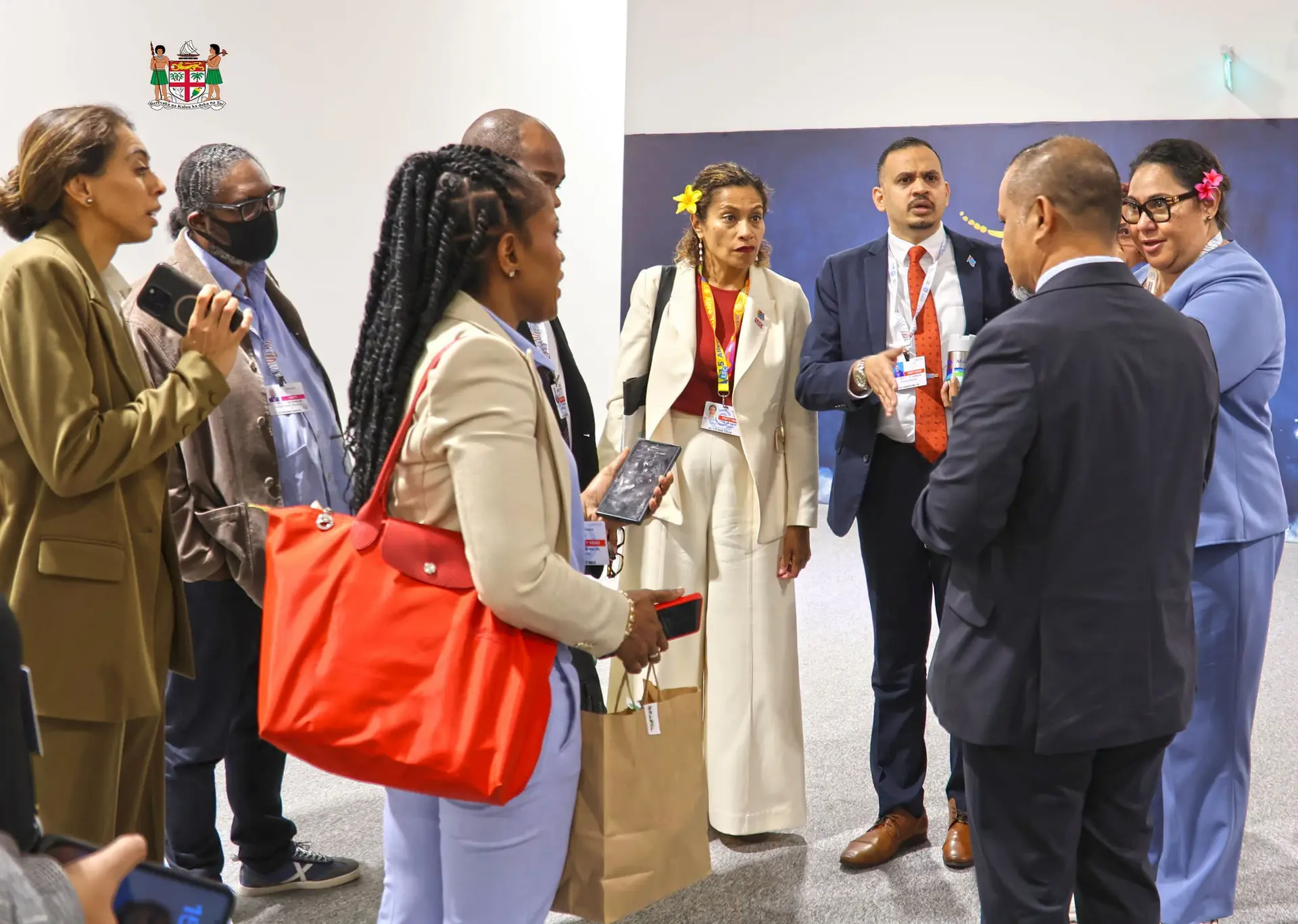
Minister for Environment and Climate Change Lynda Tabuya said Fiji and its Pacific partners would continue pushing for their concerns to be reflected in the final decision as other conference attendees left.
Ministry of Environment and Climate Change.
Fiji’s delegation stayed at the negotiating table in Antalya, Türkiye, after COP31 missed its Friday deadline, pressing for the final agreement to include a clear commitment to transition away from fossil fuels.
Minister for Environment and Climate Change Lynda Tabuya said Fiji and its Pacific partners would continue pushing for their concerns to be reflected in the final decision as other conference attendees left.
“This place is emptied out. Most of the attendees here, 80,000-plus people, have returned home. But we're staying on,” Ms Tabuya said.
Related stories
Reuters reported that negotiations involving nearly 200 countries ran into Sunday after divisions over fossil fuels and funding to help developing countries adapt to climate change. A Thursday draft dropped earlier language on ending fossil fuel use, which Saudi Arabia and other major oil and gas producers had opposed, according to observers cited by Reuters.
COP31 president Murat Kurum said early Sunday that he believed a revised package could secure consensus. The Associated Press reported that the revised draft still omitted an explicit reference to fossil fuels while retaining a provision on capturing and storing carbon emissions.
Ms Tabuya said Fiji wanted the final text to acknowledge the need to transition away from fossil fuels and remove a specific reference to carbon capture, utilisation and storage (CCUS). She said the draft singled out CCUS without clearly addressing the shift away from fossil fuels.
“For the Pacific, we agree as well. We need to acknowledge fossil fuels in the text.”
Ms Tabuya said a coalition of 122 countries, including members of the Alliance of Small Island States and the European Union, was pushing for language on the transition and recognition of a wider range of technologies to cut emissions, including solar, wind and battery storage. She said China had also agreed with Fiji’s position. The talks seek consensus among parties.
For Fiji, Ms Tabuya linked the negotiations to the drought at home, saying 27 of the country’s 44 water sources were at a critical stage.
“For us, it's about survival,” Ms Tabuya said.
She said Fiji would stay at the negotiating table until a final decision was reached.
“It is vital for Fiji to be present. It is vital for the Pacific to be present because if you aren't present, if you don't turn up, they're not going to hear you.”
“We are only custodians of this planet, to leave it better and safer for our children and our grandchildren.”