FWRM flags gender gap in permanent secretary roles
FWRM research shows men hold 77.8% of permanent secretary positions
Monday 21 September 2026 | 13:30
Updated 22 September 2026 | 10:13 FJT

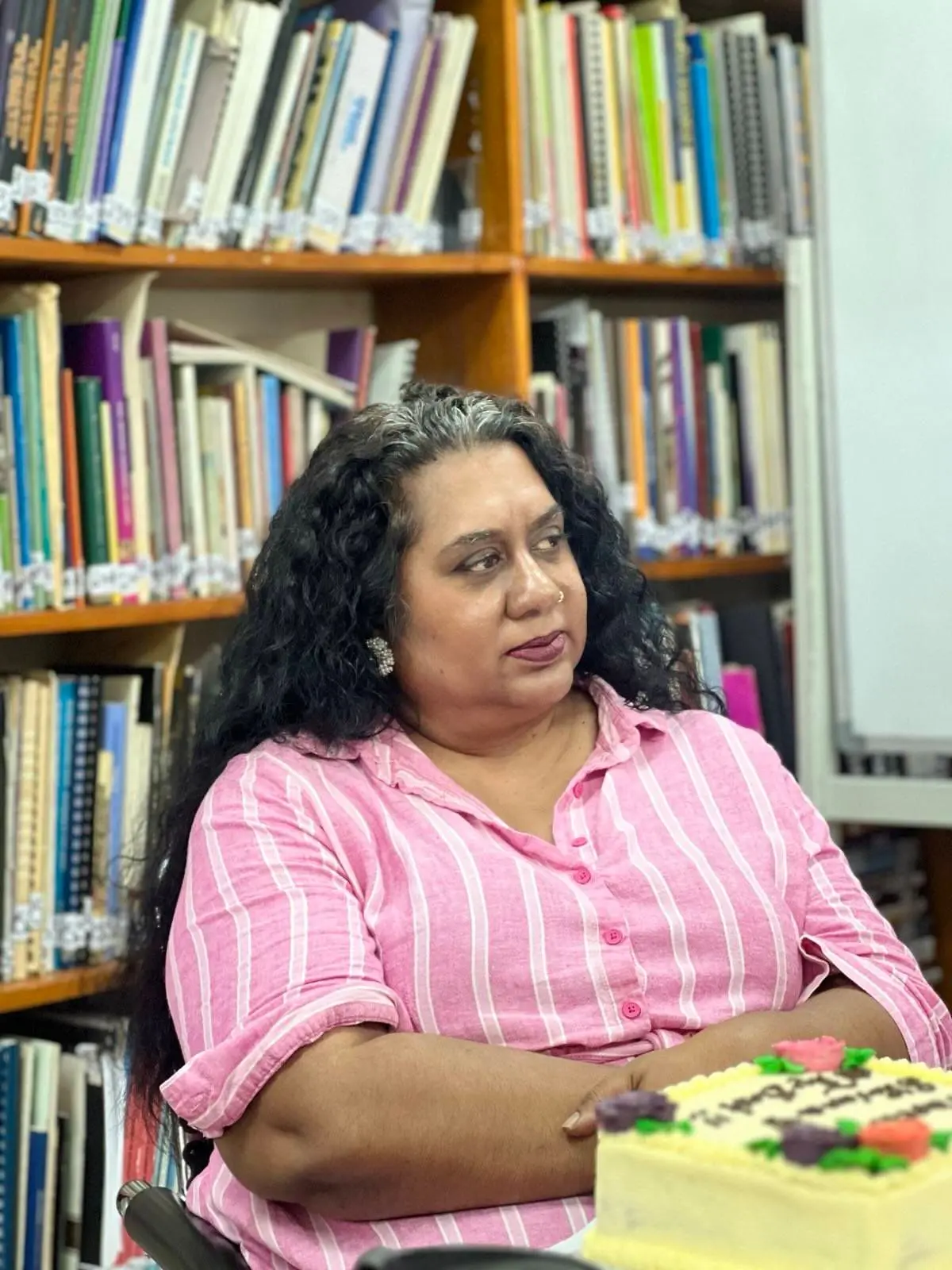
Fiji Women's Rights Movement executive director Nalini Singh.
Photo: FWRM
Only 22.2 per cent of permanent secretary positions have been held by women, compared with 77.8 per cent by men, according to research by the Fiji Women's Rights Movement (FWRM).
FWRM executive director Nalini Singh said the research was still under way and the numbers showed why concerns were being raised after Solo Mara replaced Raijeli Taga at the Ministry of Foreign Affairs and External Trade.
"While individual appointments must be considered on their own facts, we cannot ignore the broader context in which women continue to face structural barriers to all spheres of leadership," Ms Singh said.
Related stories
She described the current state of women in leadership as "dire".
"Women are also not reaching the positions where the greatest authority and decision-making power sit."
Findings
FWRM's 2022 Perceptions Study on Leadership in Fiji found that 69 per cent of the 906 respondents said gender stigma reduces a woman's chance of becoming a leader.
It also found 74 per cent agreed rewards are more easily given to men, while women "have to work twice as much".
Ninety-one per cent agreed that culture shapes leadership styles and perceptions.
A 2026 update on 38 government-controlled state-owned enterprises found women made up 29.2 per cent of board members, an increase of nine percentage points from the previous figure, while men held 70.8 per cent.
Only two of the 38 board chairs were women, according to earlier FWRM research.
What needs to change
Ms Singh said Government must go beyond appointing women.
FWRM wants:
- transparent recruitment and promotion
- clear career pathways
- mentoring and leadership development
- equal access to networks
- workplaces free of discrimination and harassment
She also called for better data, saying it was hard to obtain current figures on women's representation.
"That lack of data itself creates an accountability gap," Ms Singh said.
Feedback: kaneta.naimatau@fijisun.com.fj