Israel opens door to more Fijian agriculture interns
Ambassador Eynat Shlein says the 11-month internship could help boost agricultural production, food security and export opportunities.
Tuesday 20 October 2026 | 07:30

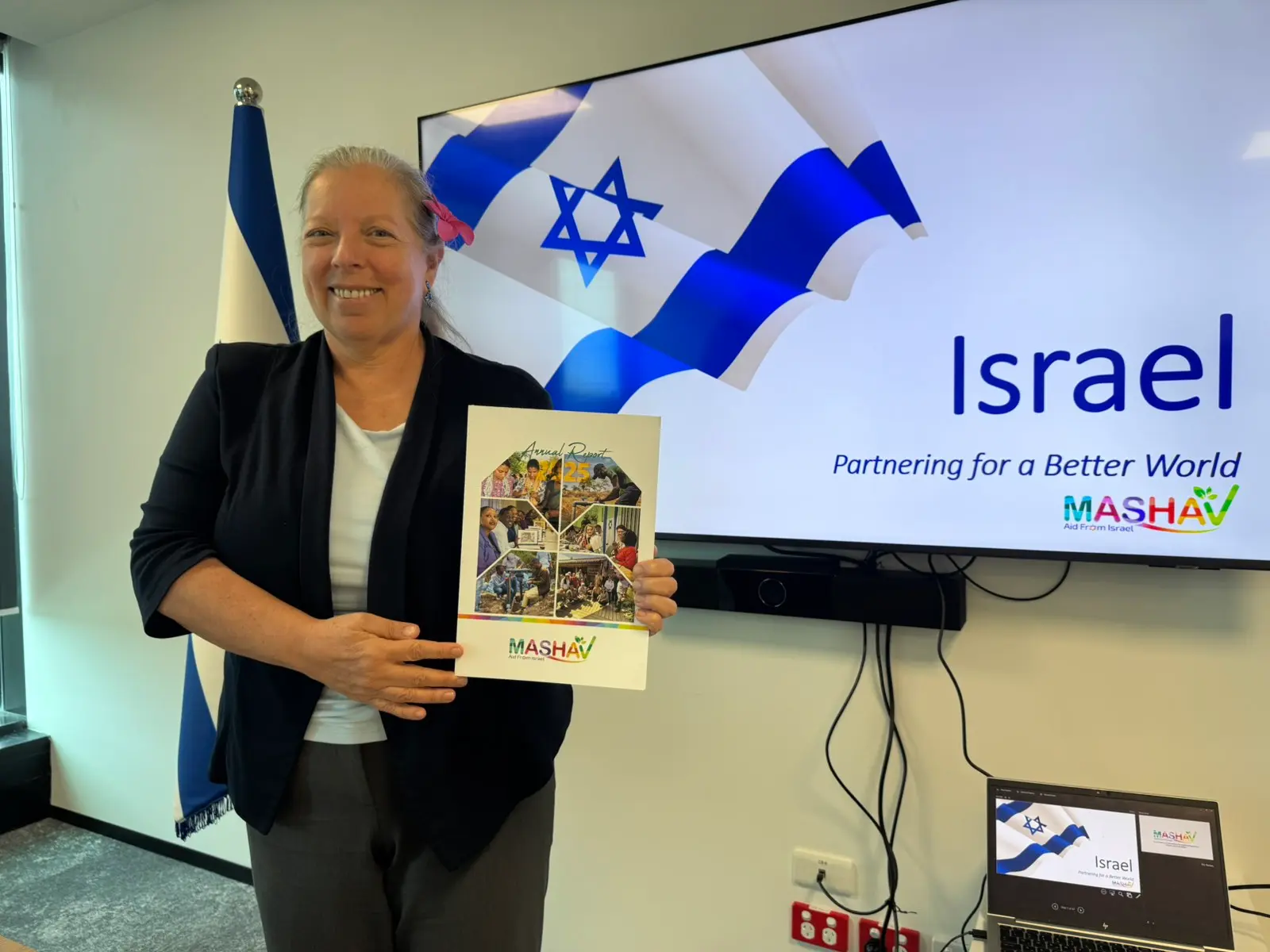
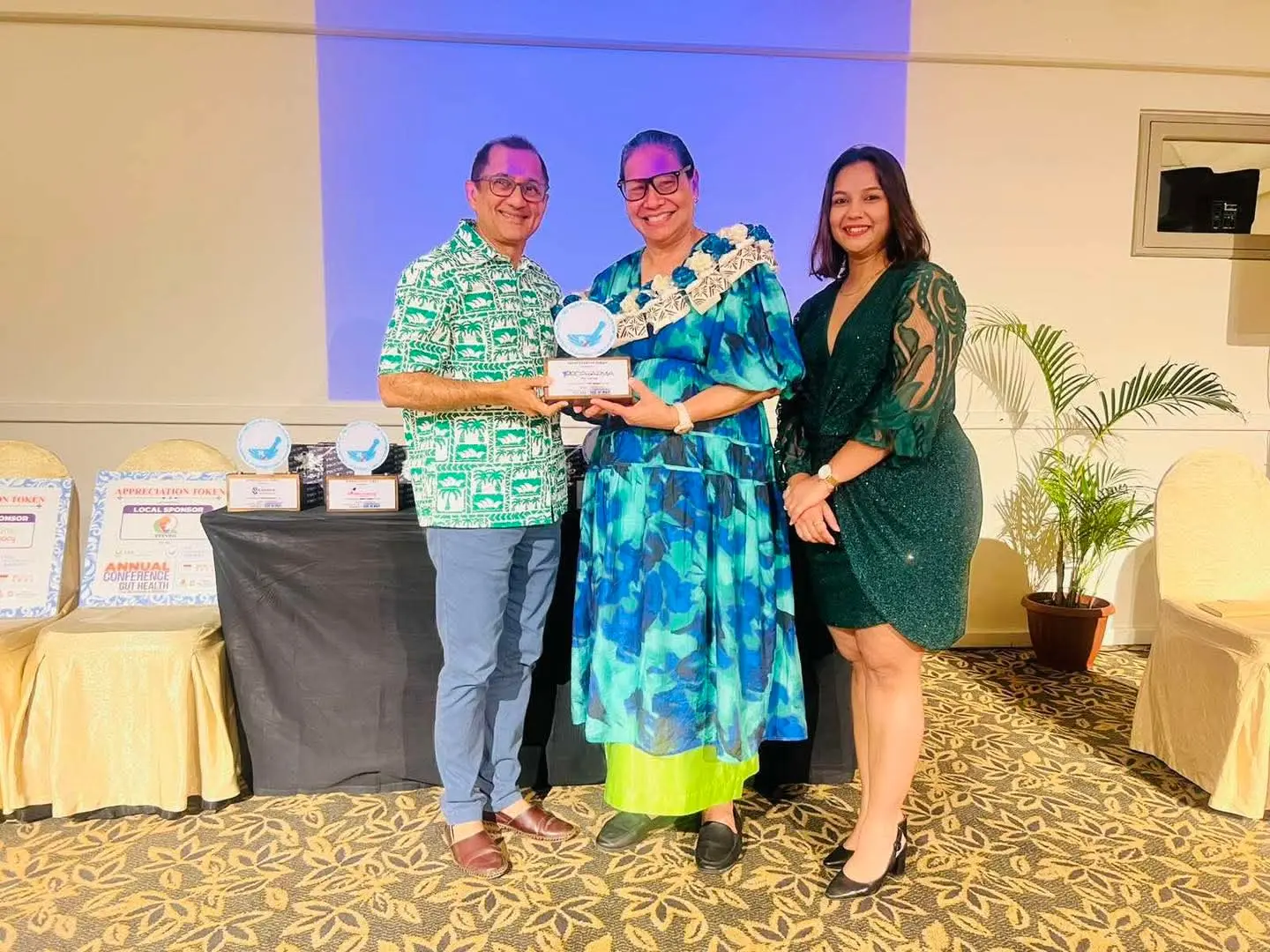
Head of Israel’s Agency for International Development Cooperation (MASHAV) Ambassador Eynat Shlein.
Photo: Talei Matairakula
Israel is keen to increase the number of Fijians participating in its agriculture internship programme.
Head of Israel’s Agency for International Development Cooperation (MASHAV) Ambassador Eynat Shlein said the partnership could strengthen Fiji’s agricultural sector, food security and economic opportunities.
She said she had urged Government officials to expand participation in the programme during recent meetings.
Related stories
“We want to see more Fijians in the programme. I think this benefits everyone,” Ms Shlein said.
The 11-month programme gives participants practical experience on Israeli farms, where farmers act as mentors throughout the growing cycle.
Interns work five days a week and attend academic lectures at a learning centre for at least eight hours each week.
MASHAV is currently working with Navuso, Tutu Rural Training Centre in Taveuni and Fiji National University. The programme has 50 confirmed participants, with Israel open to increasing that number.
Ms Shlein said agricultural training could help improve production, diversify Fiji’s economy and create opportunities to export to overseas markets.
“Food security is on the top of the agenda for every meeting that I have with people around the world, including Fiji, so this programme provides tools for the future in order to enhance the economy, to raise production, it is also about the ability to export to other countries and to have a more diversified economy,” she said.
Eligibility criteria require applicants to be university agriculture students in their second year or above, or recent graduates aged 19 to 33.
Water and agricultural technology
Ms Shlein said discussions also covered water harvesting, purification of contaminated water and technology for vegetable and dairy farming.
She identified potential areas for cooperation in water management, post-harvest methods, aquaculture and animal husbandry, alongside opportunities for Israeli companies to contribute technology and expertise under a bilateral memorandum of understanding signed two years ago.
She said possible water-sector projects were being discussed with the Water Authority of Fiji and the Asian Development Bank, although these had yet to materialise.
Education, women and health
Meetings with the Ministry of Education covered teacher training, sustainable education and the possible installation of biogas kits in green schools.
Discussions with the Ministry of Women and Social Protection focused on community resilience and programmes tailored for Fiji. A training initiative to empower women through entrepreneurship support for small and medium-sized enterprises was also planned.
Ms Shlein said talks with the Ministry of Health included opportunities for Fijian scholars to join postgraduate programmes at Israeli universities and access scholarships.
Cooperation on climate change adaptation was also being considered, with a possible visit by Israeli experts in the near future.