MP questions foreign security vetting of Fiji university research
Opposition MP Virendra Lal asks how national security and defence research will be protected from foreign interference.
Saturday 26 September 2026 | 10:30
Updated 26 September 2026 | 11:48 FJT

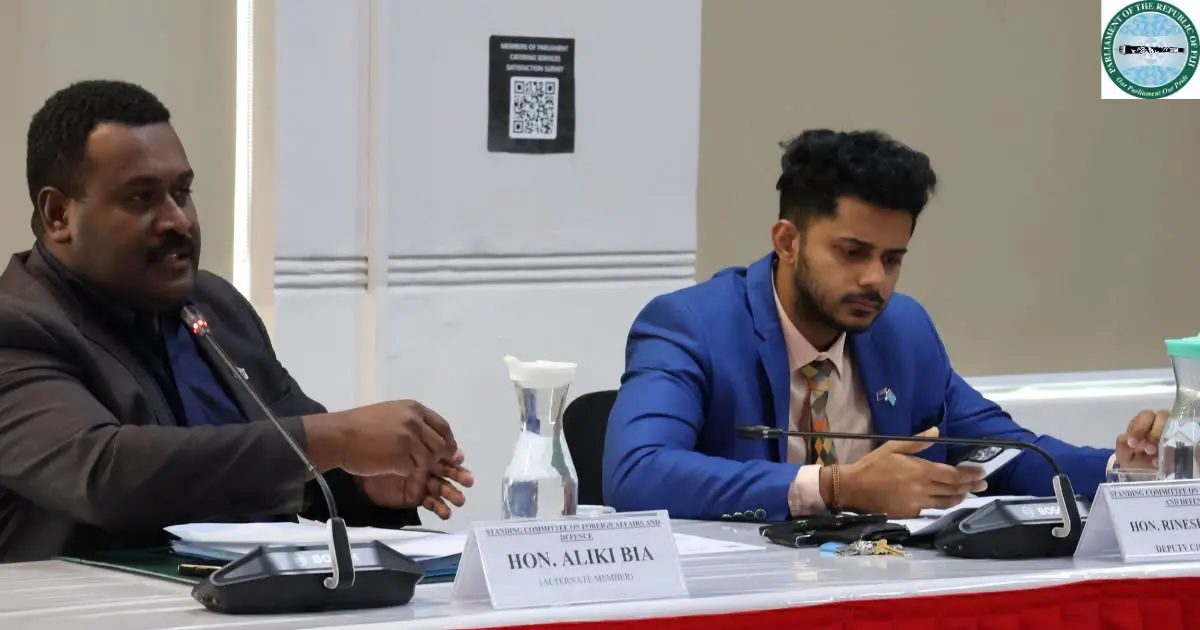
From left; Standing Committee on Foreign Affairs and Defence members MPs Aliki Bia and Rinesh Sharma.
Photo: Parliament of Fiji
Opposition Member of Parliament Virendra Lal has questioned whether Fijian university research could face censorship or security vetting by foreign military partners under the new Fiji-Australia Vuvale Union treaty.
Mr Lal raised the concern with Higher Education Commission (HEC) director Eci Naisele during a Standing Committee on Foreign Affairs and Defence hearing on the treaty, also referred to in the hearing as the Veitacini Treaty.
“How will the Higher Education Commission ensure that the national security studies, the defence research and academic publications in Fiji universities remain free from political interference, censorship or security vetting by foreign military partners?” Mr Lal asked.
Related stories
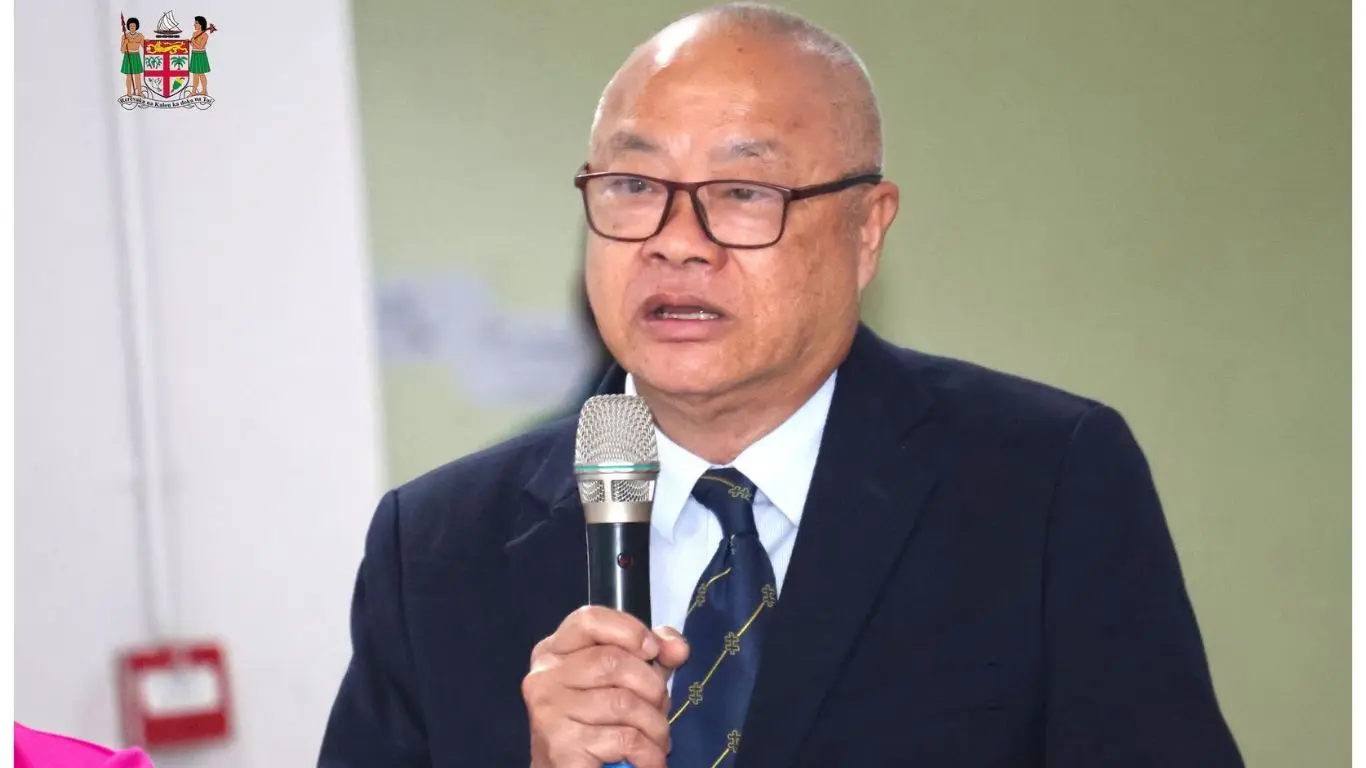
Dr Naisele did not give a direct answer, saying only that the Commission’s mandate remained within education and training.
“Our law is simply just confined within the ambits of education and training and the world has shifted,” he said.
Assistant Minister for Sports Aliki Bia also questioned why vocational training remained a “second option” in Fiji’s schools, arguing that students were only steered towards trade skills if they failed academically from Form 3 to Form 7.
Dr Naisele said Government funding for struggling technical institutions had also dropped from $75 million last year to $74.5 million this year, with many schools unable to meet eligibility criteria.
He said only a handful of Fiji’s 56 registered institutions could currently deliver modern trade training, such as electric vehicle repair.
Communications Manager Epi Rawalai said Fiji’s qualifications framework still did not recognise micro-credentials, affecting many rural training programmes.