New dispensary brings healthcare closer to Kadavu villagers
Think Pacific-built facility aims to improve access to primary healthcare in remote maritime community.
Tuesday 17 November 2026 | 13:30
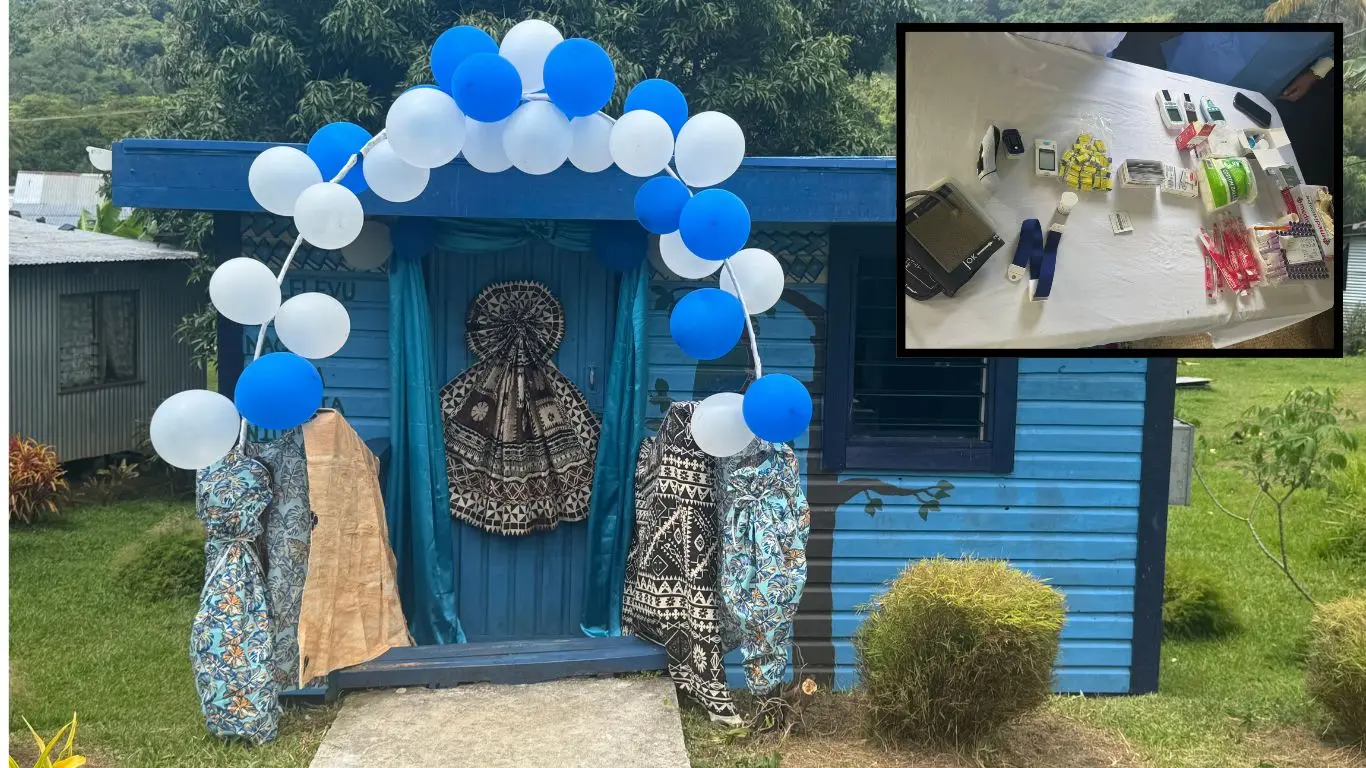
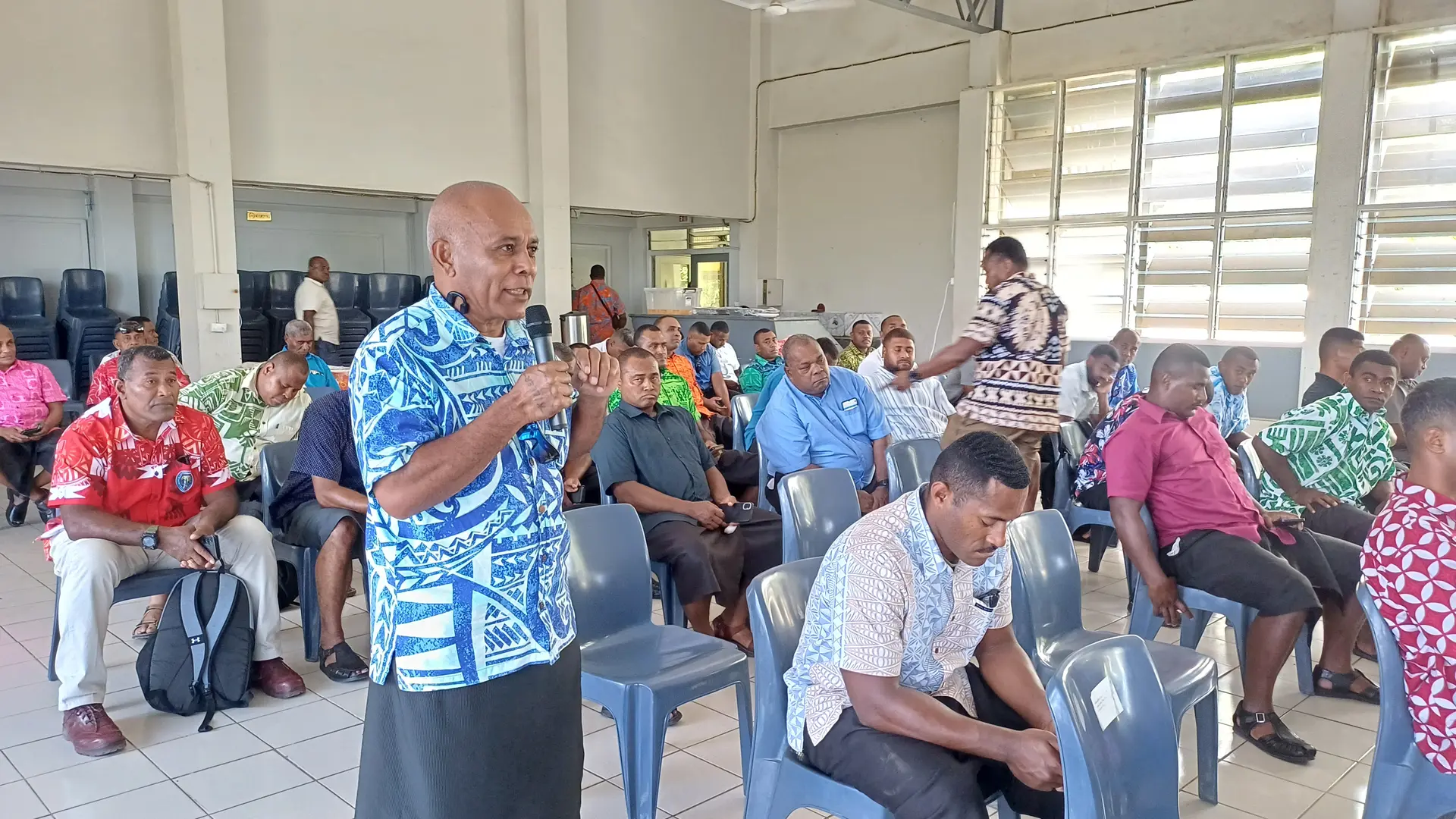
The newly built dispensary at Kadavu Koro in the district of Naceva. Inset: Some of the medical equipment donated by the Ministry of Health and Medical Services.
Photos: Rariqi Turner
People of Kadavu Koro will no longer have to make costly trips to Vunisea Hospital for basic medical care following the opening of a new village dispensary.
The facility, built by Think Pacific Organisation, is expected to serve more than 200 people and improve access to healthcare for families living in the remote maritime community.
For years, villagers have been forced to travel long distances, often at significant expense, to seek basic medical attention.
Related stories
The new dispensary is equipped with beds, trolleys, chairs, medical equipment and emergency medical supplies, allowing patients to receive treatment closer to home.
The Ministry of Health and Medical Services yesterday donated additional medical equipment to support the start of operations at the facility.
Village nurse Mili Vusonilawe said the dispensary would make a significant difference for residents, particularly those who struggled to meet transport costs when travelling to Vunisea Hospital.
“Having this facility closer to the people will make it easier for villagers to seek medical attention without always having to travel to Vunisea,” Ms Vusonilawe said.
“Our priority now is to ensure it is properly managed and continues to serve the community.”
The dispensary will be managed by the village with support from the nurse stationed at Vacalea Nursing Station.
Minister for Health and Medical Services Dr Ratu Atonio Lalabalavu said strengthening primary healthcare services remained a priority, particularly for communities in geographically isolated areas.
He said distance and transport costs often limited access to timely medical care for people living in maritime regions.
“Primary healthcare is something we need to prioritise. In communities such as these, geographical location makes it harder for people to access healthcare, and initiatives like this will come in handy,” Dr Lalabalavu said.
He also highlighted the potential of telehealth technology to support healthcare delivery in remote communities. The technology enables health workers to conduct basic assessments and transmit medical information to doctors in Suva or overseas for consultation.
Dr Lalabalavu said telehealth could assist with routine health checks, haemoglobin testing and blood sugar monitoring, helping bridge the gap between rural patients and specialist care.