One Health – What it Means, Why it is Vital
The aim of this focus is to build an understanding of why everyone’s (and everything’s) health is interdependent.
Saturday 10 September 2022 | 15:23

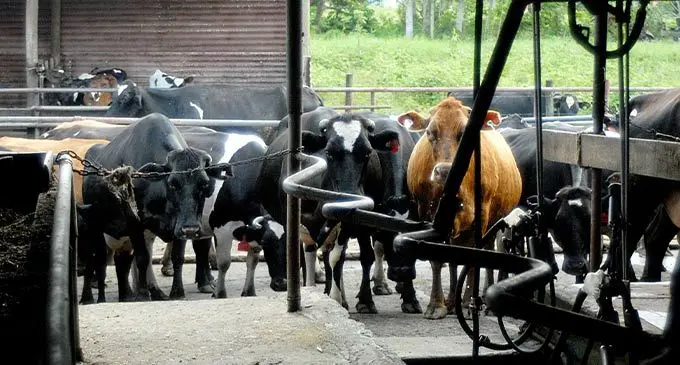
The One Health concept recognises that the health and wellbeing of humans, animals and the environment are all interconnected, says the Pacific Community.Photo: Ronald Kumar
Fiji has yet to formalise the One Health (OH) concept that could help streamline the country’s work in identifying and understanding the links between public, animal, and environmental health.
Zoonotic diseases such as leptospirosis, COVID-19 and other communicable diseases have only recently made governments across the world acknowledge the importance of the One Health concept.
One Health encourages multisectoral and transdisciplinary collaboration to promote effective policies that relate to the “three healths”: animal, public and environmental.
Related stories
The aim of this focus is to build an understanding of why everyone’s (and everything’s) health is interdependent.
The Ministry of Health (MOH), Ministry of Agriculture and other stakeholders have held several dialogues focused on setting up the One Health concept.
But there has been no formal and legal recognition of the One Health coordination mechanism in Fiji at the national level. However, there have been pockets of engagements among stakeholders and ministries.
The MOH is leading work on the community level to help address zoonotic diseases – diseases that are transmitted between animals and humans and vice-versa.
But this is still not enough. The need to have a national approach in addressing zoonotic diseases is paramount now more than ever, in the wake of the global COVID-19 pandemic and the leptospirosis outbreak in Fiji.
WHAT’S WORKING IN FIJI?
Having a One Health set-up as an early warning system is not simple, says Simon Reid, an Associate Professor Global Disease Control at the University of Queensland.
The current taskforce, spearheaded by the MOH, holds collaborative meetings across the Biosecurity Authority of Fiji, veterinary service, Ministry of Agriculture and MOH. However, it is understood that these collaborative meetings are not consistent.
“These meetings are really opening communication between them (stakeholders), so they develop an understanding of each other, and they build trust, and they build that ability to communicate,” Mr Reid said.
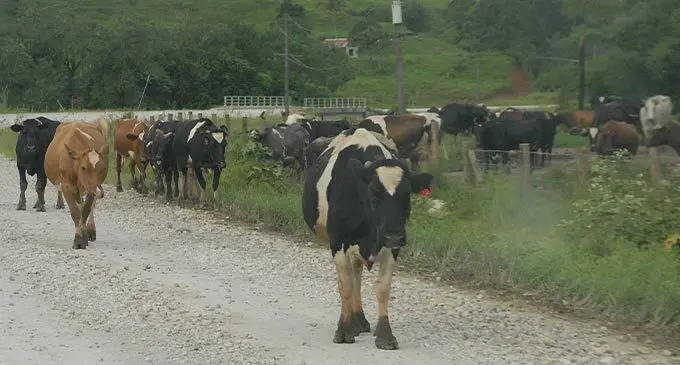
The One Health concept recognises that the health and wellbeing of humans, animals and the environment are all interconnected, says the Pacific Community.Photo: Ronald Kumar
This zoonotic disease has claimed hundreds of lives in Fiji, and it continues to do so. For this year, data released as of May 17 indicated that there have been 2068 laboratory-confirmed cases, 681 hospitalisations and 36 deaths because of leptospirosis.
Every year leptospirosis continues to threaten Fiji. Hence, the urgent need for a better way to undertake a multisectoral approach, including surveillance of emerging disease threats.
The One Health concept can help to bridge the gap on integrated surveillance between human health and animal health.
FOCUS AREAS FOR ONE HEALTH
These include food safety, control of zoonoses and combating antibiotic resistance through plants and animals.
At the 8th Asia-Pacific World Workshop on Multisectoral Collaboration at the Animal-Human-Ecosystems Interface held in Bangkok, Thailand in April 2019, Fiji had listed five priority zoonotic diseases.
They were: 1. Leptospirosis; 2. Tuberculosis (TB); 3. Brucellosis (cases in humans are often neglected); 4. Arboviral diseases (dengue, chikungunya, zika); and 5. Influenza.
WHAT DO THESE ZOONOTIC DISEASES HAVE IN COMMON?
They are transmitted from animals to humans. Outbreaks of these zoonoses affect animal food production, welfare, and human morbidity, and mortality.
In the case of leptospirosis, it is spread through pathogenic leptospira excreted in the urine of infected animals. These infected animals include rodents, domestic pets, livestock, and wildlife.
In their response, WHO said: “Leptospirosis can spread when bacteria from the urine of an infected animal – such as a dog, cow, pig, or rat – gets into someone’s body."
This can happen if the drinking water is contaminated or if dirty water splashes on someone’s eyes, nose, or mouth, or on a cut or scratch.”
RELEVANCE OF CLIMATE CHANGE
SPC says incidence of diseases such as leptospirosis have been known to increase during flooding and heavy rainfall. With increased heavy rain and flooding in certain places, people tend to relocate.
Most times, relocation means moving further inland where contact with feral animals is inevitable, SPC said.
This increases chances of contracting zoonotic diseases such as leptospirosis. Two severe floods in 2012, led to Fiji recording the highest number of leptospirosis outbreaks and fatalities to date.
There were 576 reported cases and 40 deaths. Seasonal rains and flooding provide ideal conditions for leptospirosis outbreak.
Fiji’s tropical climate provides ample opportunity for bacteria to reproduce in mammals, including livestock, rats and domestic pets, which act as reservoirs for leptospirosis.
WHY THE URGENT NEED FOR ONE HEALTH?
Zoonotic diseases are spreading quickly, and most are not confined to their country of origin, for instance the outbreak of monkeypox in Australia that has now emerged as a pandemic.
It is important to note that about 70 per cent-80 per cent of infectious diseases are caused by animals.
These diseases emerge because their environments are being impacted by human encroachment, or because more wild animals are being taken away from their native habitats and are coming into direct contact with humans and domesticated animals, such as livestock.
There is also a growing concern that bacteria are increasingly becoming resistant to antibiotics because the medicine has been over-prescribed and over consumed for even maladies.
These AMR bacteria may infect humans and animals, and the infections they cause are harder to treat compared to nonresistant bacteria.
The WHO contends that approximately 700,000 people a year die because of AMR; that number could increase to 10 million people a year by 2050 if the situation isn’t brought under control.
The One Health framework could help Fiji effectively counter these outbreaks and antibiotic resistant bacteria, by providing a robust health system, as well as policies that complement the roles of all stakeholders and ministries.
But it needs the support of the Government – the policy makers, politicians. At the 8th Asia-Pacific World Workshop on Multisectoral Collaboration at the Animal-Human-Ecosystems Interface member countries, including Fiji, were encouraged to seek high level political commitment for One Health.
Mr Kumar said there were challenges because One Health required a multisectoral approach and keeping ministries and stakeholders engaged was, at times, difficult.
But for now, work related to One Health in Fiji has been exclusively driven by the MOH. The working group set up by the MOH operates on the powers vested in the Minister and Permanent Secretary for Health.
But this formal level of structure may not work for some ministries and stakeholders.
Hence the need for an effective mechanism such as One Health to ensure a healthy human population, healthy animal population and a healthy environment.
This article is part of Earth Journalism Network’s special collaborative project on One Health and meat in the Asia Pacific entitled “More Than Meats the Eye.” It brings together 8 media outlets from different countries and more than a dozen reporters to cover the impact of meat on animal, human and environmental health in the Asia-Pacific region.
Story By: Ivamere Nataro
Feedback: ivamere.nataro@fijisun.com.fj