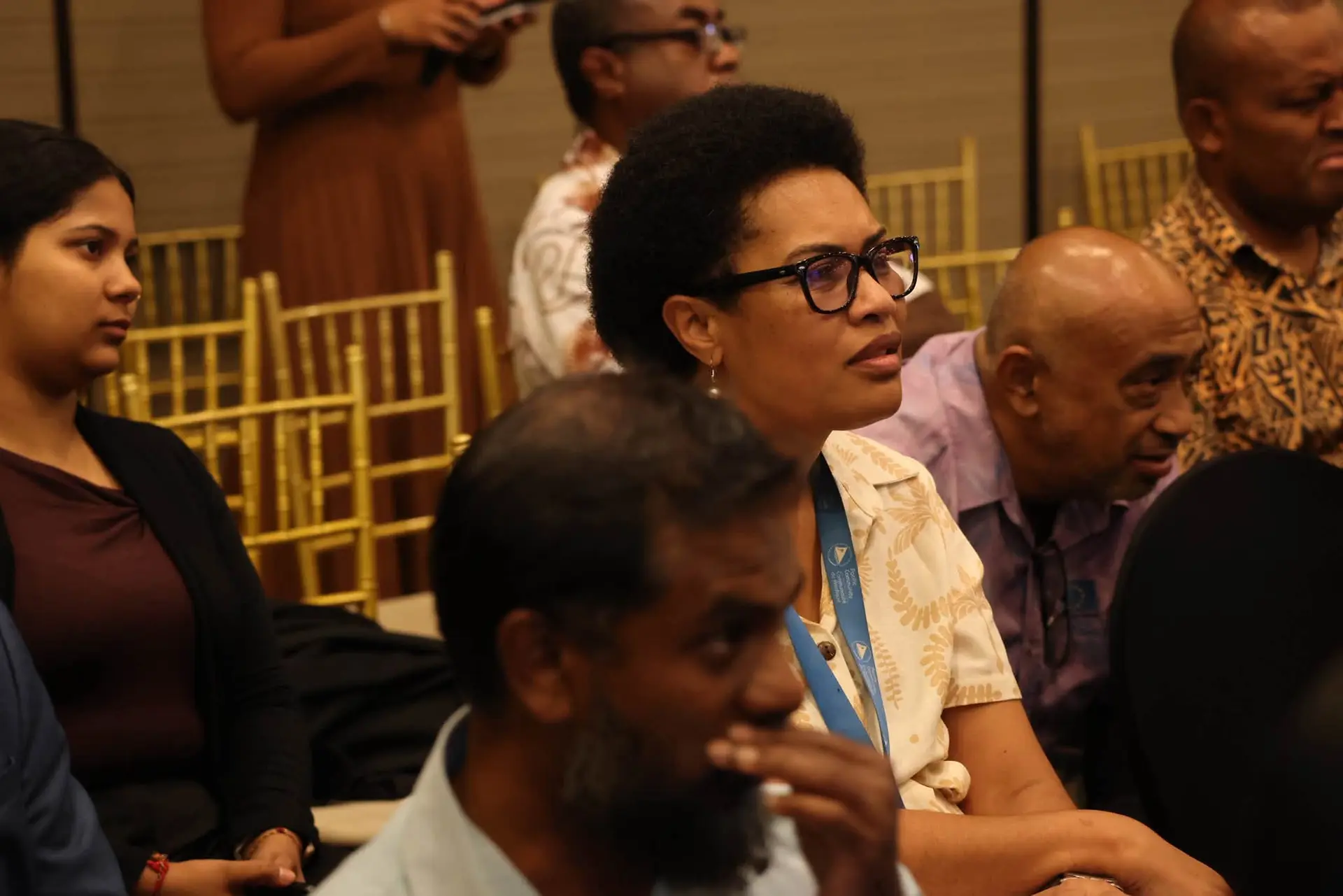
Protect journalists from intimidation, media leaders urge
FMA president Rosi Doviverata says journalist safety is essential to protecting the public's right to know.
Tuesday 03 November 2026 | 09:30
Updated 03 November 2026 | 12:07 FJT
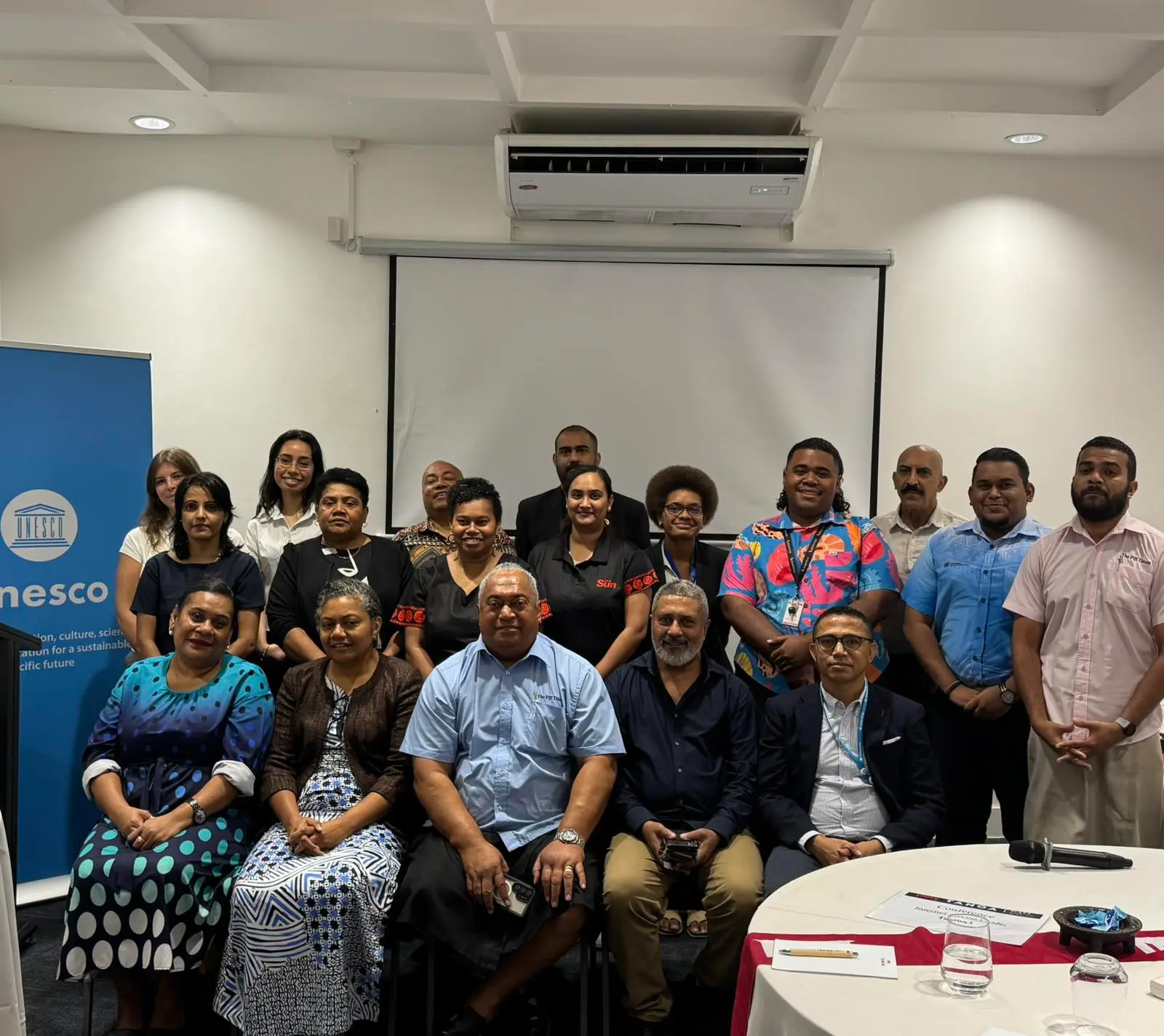
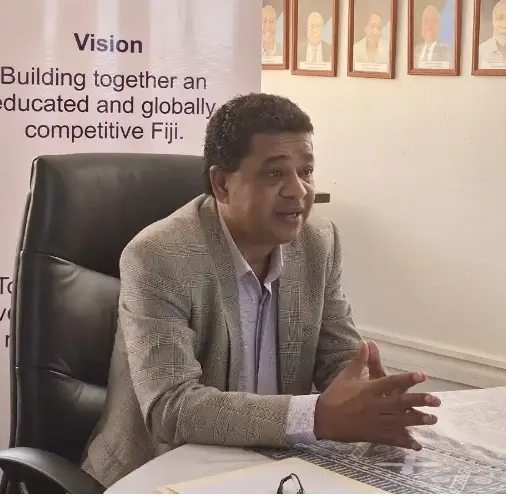
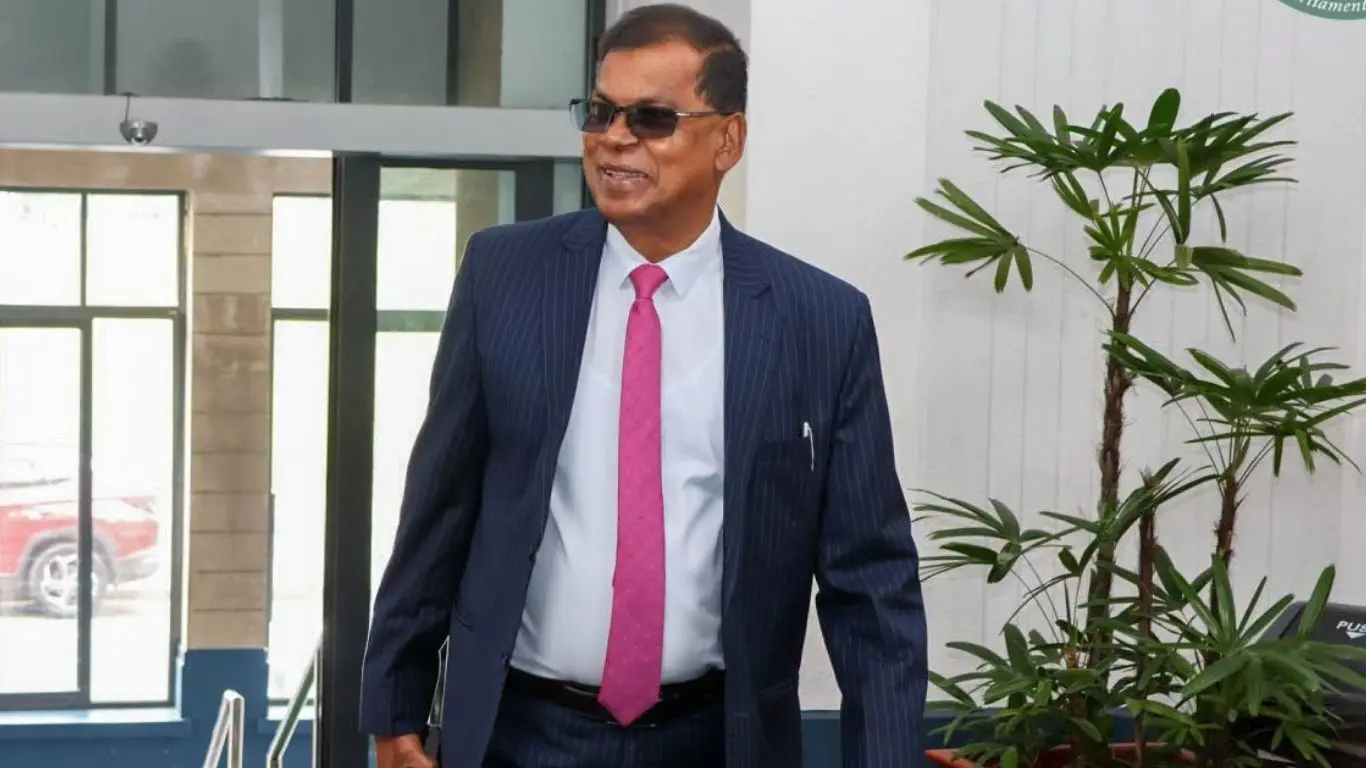
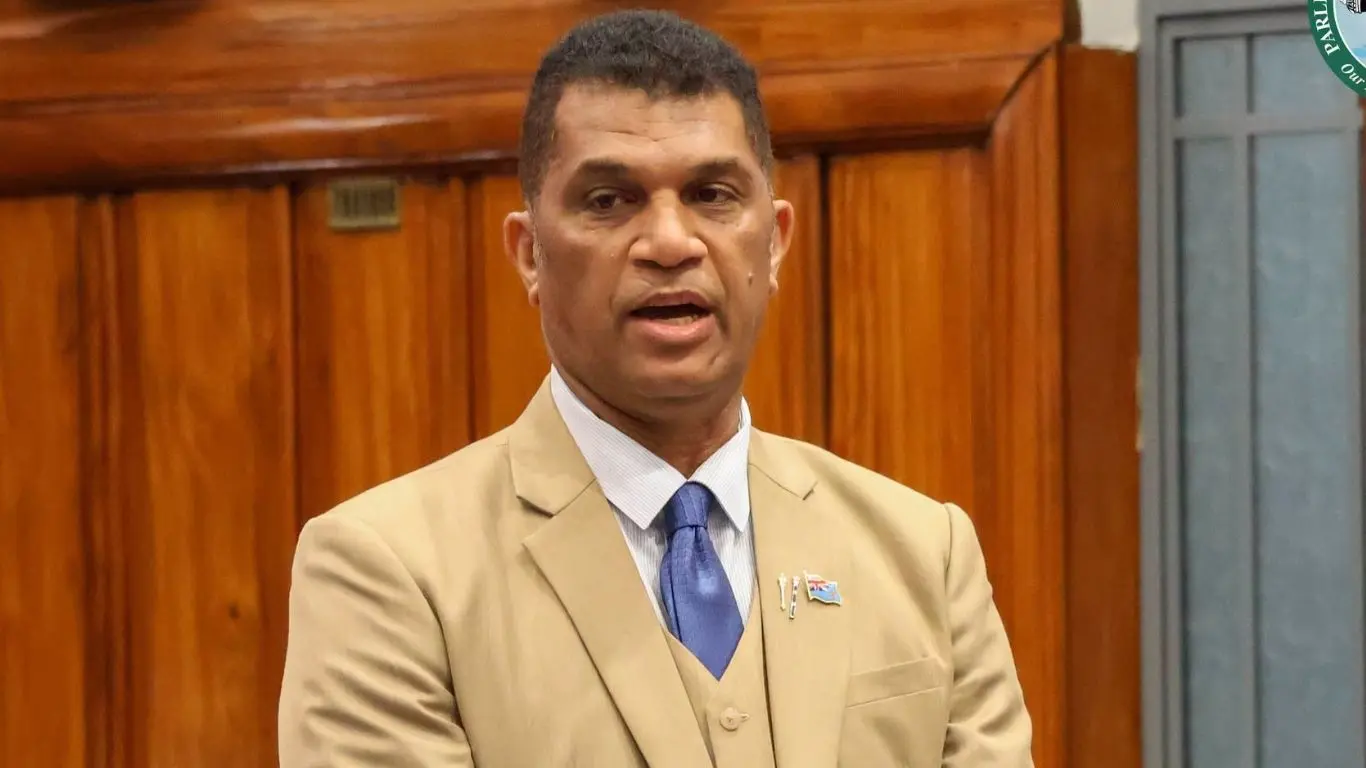
Fiji Media Association president and Fiji Sun editor-in-chief Rosi Doviverata, Fiji Times editor-in-chief and FMA vice-president Fred Wesley, FBC general manager News Affairs Sports Felix Chaudhary and UNODC Anti-Corruption Programme Officer Jonas Guterres with journalists and representatives from local newsrooms during the breakfast dialogue on journalist safety and media freedom in the Pacific in Suva.
Photo: Joseph Balolo
Journalists must be protected from intimidation, harassment and threats as they carry out their responsibility to hold those in power accountable.
Speaking at a breakfast dialogue on journalist safety and media freedom in the Pacific in Suva, Fiji Media Association (FMA) president Rosi Doviverata said protecting journalists went beyond press freedom to include their dignity, personal safety and the public’s right to know.
The dialogue was organised by the United Nations Office on Drugs and Crime (UNODC) Pacific Office, UNESCO Pacific Office and the FMA to mark the International Day to End Impunity for Crimes against Journalists on November 2.
Related stories
Ms Doviverata said Fiji had made progress since the repeal of the Media Industry Development Act in 2023, improving from 102nd place in the Reporters Without Borders World Press Freedom Index in 2022 to 24th this year.
However, she said challenges remained, particularly in small Pacific communities where reporting on influential figures could put pressure on journalists to maintain personal relationships.
“Our responsibility is to serve the public interest. That means asking questions and reporting facts, even when the answers are uncomfortable,” she said.
She also raised concerns about online harassment, particularly against women journalists, and highlighted Women in Media Fiji as a support network for female reporters.
Fiji Times editor-in-chief and FMA vice-president Fred Wesley recalled experiences of intimidation, including a 1999 incident in which a senior journalist was arrested by soldiers and threatened over reports involving a prominent trade unionist.
He also spoke about the legal battles and political pressure faced by The Fiji Times during 16 years of suppression under the former government.
Mr Wesley said threats against journalists had evolved to include cyberattacks, online harassment, disinformation and manipulated content.
He called for stronger digital security, legal support, professional training and psychological assistance for journalists.
Meanwhile, Fiji Sun managing editor news Ivamere Nataro-Tunidau highlighted the challenges faced by women journalists covering sensitive investigations and court proceedings.
She recalled her experience giving evidence as a key prosecution witness in a murder trial and said the experience, together with online comments, had affected her.
Ms Nataro called for counselling services and opportunities for journalists to discuss traumatic assignments.
Earlier, UNODC Anti-Corruption Programme Officer Jonas Guterres said independent media were essential in promoting transparency, exposing corruption and strengthening public trust.
UNESCO Programme Specialist Varunesh Ashvindra Rao said more than 1,600 journalists had been killed globally between 2006 and 2025, with close to seven in 10 cases remaining judicially unresolved.
He said journalist safety included physical, legal, digital and psychological protection.
The speakers called for stronger partnerships between media organisations, law enforcement agencies and regional institutions to ensure journalists could work safely and independently.